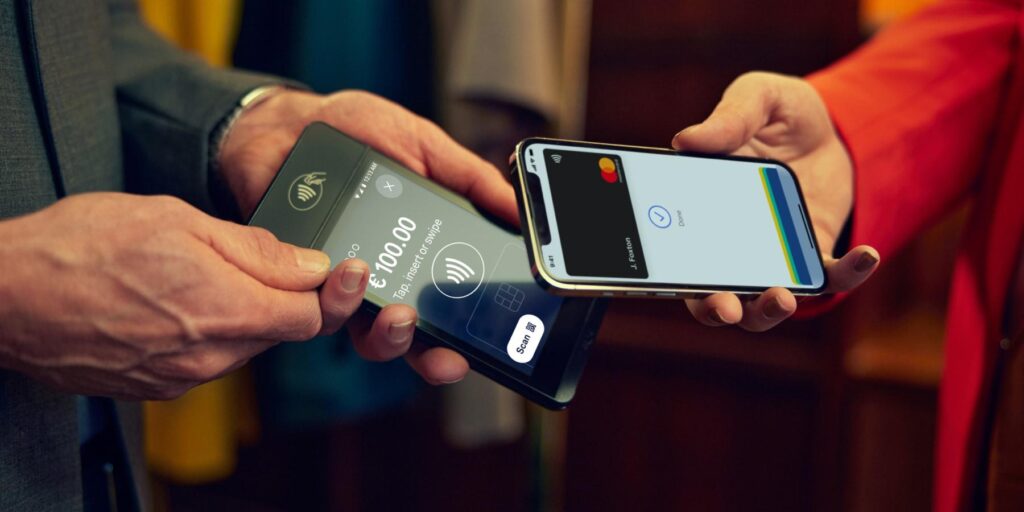
Digital payments are changing how people manage money in Pakistan. From shopping online and paying utility bills to transferring funds and purchasing groceries, consumers increasingly rely on smartphones instead of physical cash. Digital wallets are playing a major role in this transformation by making everyday financial transactions faster and more accessible.
But what exactly is a digital wallet, how does it work, and is it safe to use? Here is everything you need to know about digital wallet technology and its growing importance in Pakistan’s digital economy.
What Is a Digital Wallet?
A digital wallet is a mobile application or software platform that allows users to store payment information and make electronic transactions through compatible devices. It can hold supported debit cards, credit cards, bank account details, digital tickets, loyalty cards and other payment credentials.
Instead of carrying multiple bank cards or cash, users can access their supported payment methods through a single application.
In Pakistan, services such as JazzCash and Easypaisa have helped popularize digital payments, making mobile financial services more accessible to millions of people.
How Does a Digital Wallet Work?
A digital wallet connects users, financial institutions and payment networks to process transactions electronically.
The process generally involves these steps:
- Add a payment method: Users link a supported debit card, credit card or bank account to their digital wallet.
- Verify the information: The wallet provider or financial institution may authenticate the payment details.
- Authorize the payment: Users select their preferred payment method and verify their identity using a PIN, password, fingerprint or facial recognition.
- Process the transaction: The payment information travels through the relevant financial network for authorization.
- Receive confirmation: Once the bank or payment provider approves the transaction, both the customer and merchant receive confirmation.
Most digital wallet payments take only a few seconds to complete.
How Can You Use a Digital Wallet?
Digital wallets support different payment methods depending on the provider and available technology.
- In-store payments: Users can tap compatible smartphones or smartwatches against contactless payment terminals using Near Field Communication (NFC).
- QR code payments: Customers scan a merchant’s QR code or allow the merchant to scan their payment code.
- Online shopping: Supported websites allow customers to select digital wallets at checkout without repeatedly entering card details.
- Money transfers: Certain wallet services allow users to send money to other individuals and supported bank accounts.
In Pakistan, mobile wallets are increasingly useful for everyday payments, online shopping and person-to-person money transfers.
Are Digital Wallets Safe?
Digital wallets offer several security protections, although no digital payment system is completely risk-free.
Many providers use encryption, tokenization and biometric authentication to protect financial information.
Tokenization replaces sensitive card details with a unique digital token during payment processing. This helps reduce the exposure of actual card numbers.
However, users can still face phishing attacks, fraudulent payment requests, stolen devices and compromised passwords.
To improve security, users should:
- Enable fingerprint or facial recognition.
- Use strong passwords and device locks.
- Never share OTPs or verification codes.
- Verify payment recipients before transferring money.
- Avoid suspicious links and unverified payment requests.
Digital Wallet vs Mobile Banking: What’s the Difference?
Although digital wallets and mobile banking applications can offer similar features, their primary purposes differ.
A mobile banking app mainly provides access to traditional banking services, including account balances, transaction history, fund transfers and account management.
A digital wallet primarily stores supported payment credentials and facilitates electronic payments.
However, many modern financial applications combine both services, allowing customers to manage accounts and make digital payments through one platform.
Benefits of Digital Wallets
Digital wallets offer several advantages for consumers and businesses:
- Convenience: Make payments without carrying physical cash or multiple cards.
- Faster transactions: Complete supported payments within seconds.
- Easy online shopping: Reduce the need to enter payment details repeatedly.
- Better payment management: Access multiple supported payment methods through one device.
- Contactless technology: Pay at compatible terminals without handing over a physical card.
For Pakistani consumers, digital wallets can also make everyday financial services more accessible.
What Are the Risks of Digital Wallets?
Despite their convenience, digital wallets come with potential financial and cybersecurity risks.
Sending money to an incorrect account can make recovery difficult. Scammers may also impersonate merchants, relatives or financial institutions to trick users into authorizing fraudulent transactions.
Lost smartphones, weak passwords and stolen verification codes can create additional security problems.
Users should always verify transaction details and protect their wallet accounts against unauthorized access.
Digital Wallet vs Cryptocurrency Wallet
A traditional digital wallet and a cryptocurrency wallet are not the same.
A conventional digital wallet manages payment credentials connected to traditional financial systems. In comparison, a cryptocurrency wallet manages cryptographic keys that allow users to access and authorize transactions involving blockchain-based assets.
Although both use the term wallet, their underlying technologies and financial functions are different.
Final Thoughts
Digital wallets are becoming an important part of Pakistan’s transition towards a cashless and digitally connected economy. They simplify payments, support online commerce and provide consumers with convenient ways to manage financial transactions.
However, convenience must go hand in hand with cybersecurity awareness. Users should choose trusted payment providers, protect their devices and verify every transaction before sending money.
As digital financial services continue to evolve, digital wallets are likely to play an increasingly important role in Pakistan’s fintech and startup ecosystem.
Source: TechinPakistan