
News

ceo-com-pk
News

Pakistan Unveils Sky47 Karakoram-01: First AI-Ready Sovereign Cloud and Largest Data Center to Power the Digital Economy

Pakistan has reached a major milestone in its digital transformation journey with the launch of Sky47 Karakoram-01, the country’s first AI-ready sovereign cloud platform and largest purpose-built data center. The landmark project is expected to strengthen Pakistan’s digital infrastructure, accelerate artificial intelligence (AI) adoption, and provide secure cloud services for both the public and private sectors. Officially inaugurated by Prime Minister Shehbaz Sharif in Islamabad on July 24, 2026, Sky47 represents a significant investment in Pakistan’s ambition to build a resilient, AI-driven, and technology-enabled economy. Sky47 Marks a New Era for Pakistan’s Digital Infrastructure Sky47 Karakoram-01 has been designed as a high-performance computing (HPC) and sovereign cloud platform capable of supporting enterprise-scale AI workloads and mission-critical digital operations. The facility launches with an initial computing capacity of 8.5 megawatts (MW), making it one of Pakistan’s most advanced technology infrastructure projects. By offering local cloud hosting, organizations can securely store and process sensitive information within Pakistan instead of depending on overseas cloud providers. AI-Ready Cloud Platform for Government and Businesses The new facility integrates multiple next-generation digital services into one platform, including: These services are designed to meet the growing technology needs of government institutions, financial organizations, telecom operators, healthcare providers, educational institutions, and enterprise businesses. Strengthening Pakistan’s Digital Sovereignty One of Sky47’s biggest advantages is its focus on digital sovereignty. Keeping critical national data inside Pakistan enhances: As cyber threats continue to increase globally, sovereign cloud infrastructure enables organizations to retain greater control over sensitive information while reducing dependence on international cloud ecosystems. Expansion Plans Already Underway The launch of Sky47 Karakoram-01 is only the beginning of a broader national infrastructure strategy. Officials have confirmed plans to expand computing capacity through: These additional projects will improve nationwide cloud availability, increase processing power, and support Pakistan’s rapidly growing demand for AI applications, enterprise cloud services, and digital transformation initiatives. A Major Opportunity for Pakistan’s Startup Ecosystem The availability of advanced local cloud infrastructure could become a game changer for Pakistan’s technology startups. AI startups, SaaS companies, fintech firms, health-tech platforms, edtech businesses, and software developers often require scalable computing resources to build and deploy modern applications. With access to AI-ready infrastructure inside Pakistan, startups may benefit from: The platform is also expected to attract local and international technology investments into Pakistan’s expanding innovation ecosystem. Accelerating Pakistan’s AI Economy Artificial Intelligence is transforming industries across the globe, from healthcare and finance to manufacturing and logistics. By investing in sovereign cloud architecture and AI computing capacity, Pakistan is laying the foundation for: Industry experts believe projects like Sky47 will strengthen Pakistan’s competitiveness in the regional digital economy while supporting long-term technological growth. A Strategic Step Toward a Digital Pakistan The launch of Sky47 Karakoram-01 reflects Pakistan’s growing commitment to building world-class digital infrastructure capable of supporting future technologies. As organizations increasingly adopt Artificial Intelligence, cloud computing, big data, cybersecurity, and enterprise digital solutions, locally hosted sovereign cloud services will become a critical pillar of the country’s digital economy. With expansion plans already underway in Karachi and Lahore, Sky47 is positioned to play a central role in advancing Pakistan’s AI ecosystem, empowering startups, enabling enterprise innovation, and reinforcing the nation’s digital resilience for years to come. The Source of this news is TechinPakistan.

www-ceo-com
News

Islamabad Robotics Expo 2026 Highlights Pakistan’s AI Future with Groundbreaking Robotics and Startup Innovations

Pakistan’s journey toward becoming a regional technology powerhouse gained fresh momentum as the Indus Robotics and Autonomous Systems (RAS) Expo 2026 concluded successfully in Islamabad. The two-day technology exhibition brought together startups, researchers, universities, industry leaders, and government stakeholders to showcase the country’s rapidly growing capabilities in Artificial Intelligence (AI), robotics, automation, and autonomous systems. Organized by Ignite – National Technology Fund under the Ministry of IT & Telecommunication, in collaboration with the National Centre of Robotics and Automation (NCRA) and NUST College of E&ME, the event was held at the Pakistan-China Friendship Centre on July 22–23, 2026. Pakistan’s Largest AI and Robotics Showcase Draws Massive Public Interest The Indus RAS Expo 2026 attracted more than 25,000 registered visitors, making it one of Pakistan’s largest public technology exhibitions dedicated to robotics and artificial intelligence. The event featured hundreds of locally developed technologies, demonstrating how Pakistani innovators are contributing to the country’s rapidly expanding digital economy. The strong public response reflected growing interest in emerging technologies and Pakistan’s evolving innovation ecosystem. Innovative Technologies Took Center Stage The exhibition floor featured cutting-edge solutions developed by startups, universities, and research institutions across Pakistan. Visitors explored innovations in several advanced technology sectors, including: Live demonstrations allowed attendees to experience real-world applications of intelligent technologies that are transforming industries worldwide. Startups and Universities Showcase Local Engineering Talent One of the biggest highlights of the expo was the participation of Pakistani startups, academic institutions, and research organizations presenting innovative prototypes and commercial solutions. Their projects showcased Pakistan’s growing expertise in: The exhibition emphasized the country’s increasing ability to develop homegrown technologies capable of competing in international markets. Interactive Competitions Inspired Future Innovators Beyond product exhibitions, the event offered an engaging experience through interactive competitions and educational activities. Key attractions included: These activities encouraged students, entrepreneurs, engineers, and technology enthusiasts to explore practical applications of AI and robotics while promoting innovation and collaboration. Building an AI-Ready Pakistan Industry experts, policymakers, investors, and academics participated in panel discussions focused on strengthening Pakistan’s technology ecosystem. Major discussion topics included: These conversations highlighted the importance of partnerships between government, academia, venture capital, and the private sector to accelerate technology commercialization. AI and Robotics Are Transforming Pakistan’s Economy Artificial Intelligence and robotics are increasingly reshaping industries such as: Events like the Indus RAS Expo help connect innovators with investors while encouraging research, entrepreneurship, and commercialization of locally developed technologies. As global demand for intelligent automation continues to rise, Pakistan’s expanding AI ecosystem presents new opportunities for startups, technology companies, and skilled professionals. A Strong Signal for Pakistan’s Technology Future The success of the Indus Robotics and Autonomous Systems Expo 2026 reflects Pakistan’s growing commitment to becoming a competitive player in emerging technologies. By providing a national platform for innovators, startups, researchers, and investors, the event strengthened collaboration across the country’s technology ecosystem while highlighting the remarkable potential of local engineering talent. As Pakistan continues investing in Artificial Intelligence, robotics, automation, and digital transformation, initiatives like the Indus RAS Expo will play a vital role in accelerating innovation, attracting investment, and positioning the country as a regional hub for advanced technologies. The Source of this news is TechinPakistan.

Solopreneur-ceo-pakistan
News

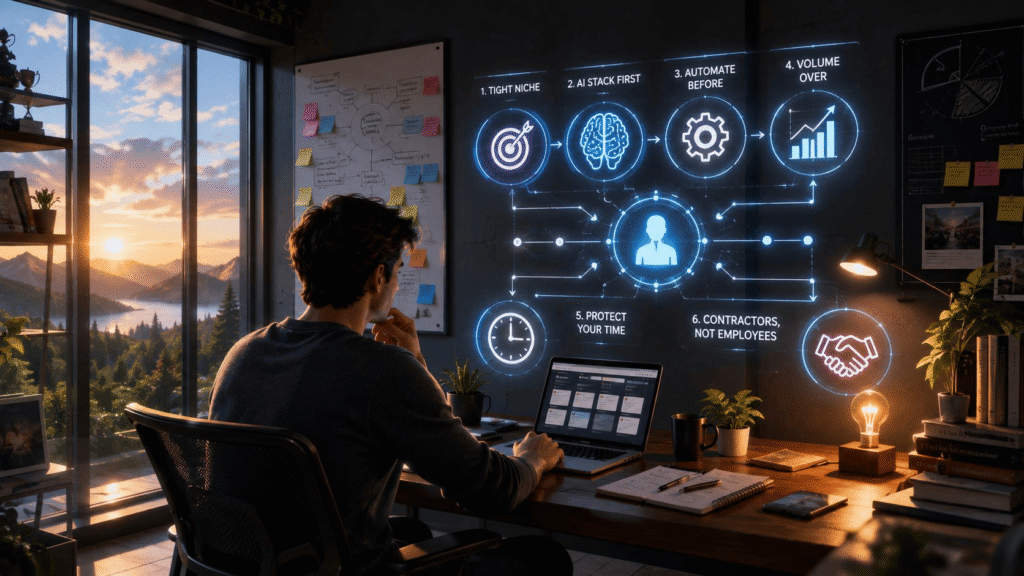
How AI Is Powering the Rise of Solopreneurs: Can One Founder Build a Million-Dollar Startup?

Artificial intelligence is reshaping entrepreneurship by making it possible for a single founder to launch, manage, and scale a business with fewer resources than ever before. Tasks that once required dedicated teams for development, marketing, design, and customer support can now be handled with AI-powered tools, opening new opportunities for solopreneurs across Pakistan and beyond. For Pakistan’s growing startup ecosystem, this shift is especially significant. Freelancers, developers, and aspiring entrepreneurs can now build global businesses with lower startup costs, faster execution, and smarter automation. While creating a million-dollar startup still requires vision, strategy, and persistence, AI is dramatically lowering the barriers to entry. What Is a Solopreneur? A solopreneur is an entrepreneur who builds and operates a business independently rather than managing a large team. Unlike freelancers who primarily exchange time for money, solopreneurs focus on creating scalable products and services that generate recurring revenue. Popular solopreneur business models include: With cloud technology and automation, one founder can now perform work that previously required multiple departments. How AI Is Transforming Entrepreneurship Modern AI has evolved beyond being a simple productivity tool. Today, it acts as a digital business assistant that supports entrepreneurs throughout every stage of business development. AI can help founders: By automating repetitive work, entrepreneurs can focus on innovation, product development, and customer growth. Launching a Startup Without a Large Team Starting a company no longer requires hiring developers, designers, marketers, and support agents from day one. Website builders simplify product launches, AI coding assistants accelerate software development, and design platforms help founders create professional branding without extensive design experience. AI writing tools also make it easier to produce high-quality content, landing pages, email campaigns, and documentation. This lean startup approach allows entrepreneurs to validate ideas quickly while keeping operational expenses under control. AI Is Reinventing Digital Marketing Marketing has traditionally been one of the biggest expenses for startups. AI is making customer acquisition faster and more affordable. Entrepreneurs can now generate: Combined with analytics platforms, AI enables founders to monitor campaign performance and improve marketing strategies using real-time insights. Customer Support Runs 24/7 AI-powered chatbots and virtual assistants have become valuable tools for modern startups. These systems can instantly answer frequently asked questions, resolve common customer issues, recommend products, and provide round-the-clock support. Automation improves customer satisfaction while allowing founders to dedicate more time to business growth. Although human interaction remains essential for complex situations, AI significantly improves operational efficiency. AI Cannot Replace Entrepreneurial Vision Despite its capabilities, AI is not a substitute for leadership and strategic thinking. Successful entrepreneurs must still: AI enhances productivity, but long-term success still depends on human creativity, decision-making, and execution. What This Means for Pakistan’s Startup Ecosystem Pakistan has become one of the fastest-growing freelance and digital business markets in the region. AI presents an enormous opportunity for local founders who may have limited funding but ambitious ideas. Instead of waiting for venture capital, entrepreneurs can build Minimum Viable Products (MVPs), test them with real users, and improve based on customer feedback. This reduces financial risk while encouraging innovation. As AI adoption continues to grow, Pakistan could produce more globally competitive startups built by solo founders using cloud platforms, automation, and artificial intelligence. Final Thoughts The future of entrepreneurship is becoming more accessible, faster, and increasingly AI-driven. Solopreneurs now have access to enterprise-level tools that help them build products, reach customers, and automate operations without massive teams or large budgets. While AI cannot replace determination, creativity, or business strategy, it has become one of the most valuable partners for modern founders. For ambitious entrepreneurs in Pakistan, combining human innovation with AI-powered technology could be the key to building the next successful global startup. The Source of this news is TechinPakistan.

AI Safety Guardrails
News

AI Safety Guardrails Spark Debate as Cybersecurity Experts Say Ethical Hackers Need Greater Research Access

AI Safety Rules Are Creating New Challenges for Cybersecurity Research Artificial intelligence has become an essential tool for modern cybersecurity, helping professionals identify vulnerabilities, detect cyber threats, automate security analysis, and strengthen digital defenses. However, as AI companies introduce stricter safety guardrails to prevent misuse, many ethical hackers and offensive cybersecurity researchers argue that these restrictions are making legitimate security research more difficult. The debate highlights a growing challenge for the technology industry: How can AI remain secure against malicious misuse while still empowering cybersecurity professionals to defend organizations against evolving cyber threats? As AI adoption accelerates across businesses worldwide, finding the right balance between innovation and security is becoming increasingly important. Why AI Is Critical for Cybersecurity Artificial intelligence has transformed cybersecurity by enabling faster and more intelligent threat detection. Today, AI assists security professionals with: These capabilities help organizations identify weaknesses before attackers can exploit them, improving overall cyber resilience. How AI Guardrails Affect Ethical Hackers To prevent criminals from using AI for cyberattacks, many leading AI platforms restrict responses related to exploit development, advanced attack techniques, and vulnerability research. While these safeguards improve public safety, cybersecurity researchers say they can unintentionally slow legitimate security work. Offensive security specialists rely on realistic attack simulations to: If AI refuses to assist with these legitimate activities, researchers may lose valuable productivity during security testing. Balancing AI Safety with Cyber Defense Technology companies face a complex challenge. Relaxing AI restrictions could increase the risk of cybercriminals abusing powerful AI systems, while overly restrictive policies may limit innovation in cybersecurity research. Many experts believe future AI systems should become more context-aware, allowing them to distinguish between malicious users and verified cybersecurity professionals conducting ethical research. Such an approach could provide responsible access without compromising public safety. The Future of Context-Aware AI Security Rather than blocking every cybersecurity-related request, future AI platforms may introduce more intelligent security frameworks based on: These mechanisms could allow ethical hackers, security consultants, and enterprise security teams to perform advanced testing while maintaining safeguards against misuse. Why This Matters for Pakistan’s Technology Industry Pakistan’s growing digital economy is driving increased investment in cloud computing, fintech, artificial intelligence, e-commerce, and enterprise software. As digital transformation accelerates, cybersecurity is becoming a top priority for organizations across every industry. AI-powered security tools can help Pakistani businesses detect threats more quickly, automate routine security operations, and strengthen digital infrastructure. At the same time, local cybersecurity professionals require advanced AI capabilities to identify vulnerabilities before attackers exploit them. Developing responsible AI governance while supporting ethical cybersecurity research will play an important role in strengthening Pakistan’s digital resilience. AI and Cybersecurity Must Evolve Together Cyber threats continue to become more sophisticated through automation, machine learning, and AI-driven attack techniques. Defenders need equally advanced tools to stay ahead. Industry experts increasingly believe that responsible AI should not only protect against abuse but also empower verified cybersecurity professionals to improve global digital security. Achieving this balance will require collaboration between AI developers, cybersecurity researchers, regulators, and enterprise organizations. Final Thoughts The debate surrounding AI safety guardrails reflects one of the biggest challenges facing the artificial intelligence industry today. Strong safeguards remain essential to prevent malicious use, but ethical cybersecurity researchers also need effective AI tools to identify vulnerabilities, strengthen defenses, and protect digital ecosystems. For Pakistan’s CEOs, startup founders, IT leaders, and cybersecurity professionals, this discussion highlights the growing importance of adopting secure, responsible, and context-aware AI solutions. As artificial intelligence continues to reshape cybersecurity, the future will depend on creating systems that safeguard the public while enabling trusted experts to stay one step ahead of emerging cyber threats. The Source of this news is TechinPakistan.
AI Cybersecurity Reinvent Endpoint Security
News

AI Cybersecurity Startup Glow Debuts as $1.2 Billion Unicorn with $180 Million Funding to Transform Endpoint Security

Glow Enters the Cybersecurity Market with Unicorn Status Artificial intelligence is rapidly reshaping the cybersecurity landscape, and a new startup is aiming to lead this transformation. Glow, an AI-native cybersecurity company, has officially emerged from stealth mode with $180 million in funding and a $1.2 billion valuation, instantly earning unicorn status. The company’s launch signals growing investor confidence in AI-powered cybersecurity as organizations worldwide face increasingly sophisticated cyber threats driven by automation and artificial intelligence. With businesses adopting AI across operations, Glow is positioning itself as a next-generation endpoint security platform designed for the evolving digital enterprise. Why Endpoint Security Needs a New Approach Traditional endpoint security solutions were built to protect laptops, desktops, servers, and mobile devices from conventional cyberattacks. However, the rapid adoption of generative AI, autonomous systems, and intelligent business applications has introduced new security risks that legacy platforms were not designed to handle. Glow aims to address these emerging challenges by using artificial intelligence to detect, analyze, and respond to cyber threats faster and more accurately than traditional security tools. As enterprise IT environments become more complex, organizations require smarter security solutions capable of adapting to constantly evolving attack techniques. How AI Is Reshaping Cybersecurity Artificial intelligence is transforming both cyber defense and cybercrime. While businesses use AI to automate operations and improve productivity, cybercriminals are also leveraging AI to launch more advanced phishing campaigns, malware attacks, ransomware operations, and identity theft attempts. Glow’s AI-driven platform is designed to help organizations: This AI-first approach enables security teams to react more quickly while minimizing operational risks. Strong Investor Backing Reflects Industry Confidence Glow’s $180 million funding round and $1.2 billion valuation demonstrate the growing demand for AI-native cybersecurity startups. Investors increasingly recognize that artificial intelligence is becoming essential for protecting enterprise networks, cloud infrastructure, remote work environments, and connected devices. The cybersecurity market is experiencing rapid innovation as businesses seek security platforms that combine machine learning, behavioral analytics, threat intelligence, and automated response capabilities. Glow’s strong financial backing places it among the most closely watched startups in the global cybersecurity sector. Why AI Security Is Becoming a Business Priority As organizations accelerate digital transformation, the number of connected devices, cloud applications, and AI-powered workflows continues to grow. This expanding digital ecosystem creates a larger attack surface for hackers, making endpoint protection more important than ever. Modern AI-powered cybersecurity platforms help businesses: For CEOs and IT leaders, investing in intelligent cybersecurity solutions is becoming a strategic necessity rather than an optional technology upgrade. What It Means for Pakistan’s Technology Industry Pakistan’s IT sector, startup ecosystem, and software industry are rapidly embracing cloud computing, AI, fintech, and enterprise automation. As digital adoption increases, cybersecurity must evolve alongside it. AI-powered endpoint security platforms can help Pakistani organizations strengthen cyber resilience, protect customer information, and defend against increasingly sophisticated digital attacks. For local startups, managed security providers, and software companies, the emergence of AI-native cybersecurity solutions also presents opportunities to develop innovative security products tailored to regional business needs. The Future of AI-Driven Cyber Defense Cybersecurity is entering a new era where artificial intelligence will play a central role in threat detection, risk analysis, and automated response. As cyberattacks become faster and more complex, organizations will increasingly rely on intelligent security platforms capable of learning from emerging threats and adapting in real time. Glow’s launch reflects this broader industry shift toward AI-first security architectures that prioritize automation, scalability, and continuous protection. Final Thoughts Glow’s debut as a $1.2 billion AI cybersecurity unicorn highlights the growing importance of intelligent endpoint security in an AI-powered world. Backed by $180 million in funding, the startup aims to modernize how enterprises defend their digital infrastructure against increasingly advanced cyber threats. For Pakistan’s CEOs, technology leaders, and startup founders, the rise of AI-native cybersecurity serves as a reminder that digital innovation must be accompanied by robust security strategies. As businesses continue adopting artificial intelligence, investing in next-generation cybersecurity solutions will be essential for protecting data, maintaining customer trust, and ensuring long-term business growth. The Source of this news is TechinPakistan.

Specialists-Than-Generalists
News

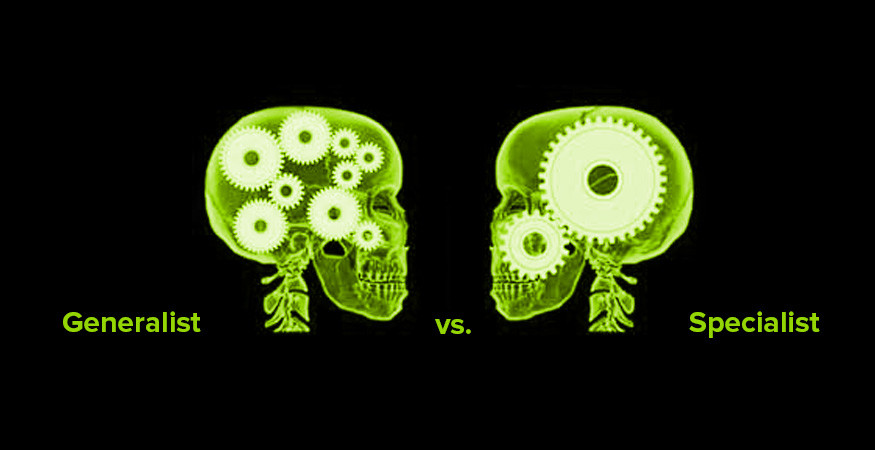
Why Specialists Earn More Than Generalists: The Career Strategy Every Pakistani Freelancer and CEO Should Know

Specialization Is Becoming the Biggest Competitive Advantage The digital economy is evolving rapidly, and clients are becoming more selective when hiring professionals. Whether it’s artificial intelligence (AI), cybersecurity, software development, digital marketing, cloud computing, or UI/UX design, businesses increasingly prefer specialists over generalists. Why? Because companies don’t simply pay for skills—they pay for expertise, proven results, and reduced business risk. For Pakistan’s growing freelance industry, startup ecosystem, and technology sector, specialization has become one of the fastest ways to increase income, build authority, and attract premium international clients. Generalist vs. Specialist: What’s the Difference? A generalist offers multiple services across different fields. For example, one professional may provide website development, SEO, content writing, social media management, and graphic design. While this flexibility can attract a broader audience, it often makes competing difficult because many others offer similar service combinations. A specialist, on the other hand, focuses on solving one specific problem exceptionally well. Popular examples include: Instead of saying, “I build websites,” a specialist says, “I help e-commerce businesses increase conversions through Shopify optimization.” That clear positioning immediately builds credibility. Clients Pay for Solutions, Not Services Businesses rarely search for someone who knows a little about everything. Instead, they want professionals who can solve high-value business challenges quickly and efficiently. For example: Specialists reduce uncertainty, deliver measurable outcomes, and often generate higher returns on investment—making premium pricing easier to justify. Specialists Build Trust Faster Trust is one of the most important factors influencing purchasing decisions. When your website, LinkedIn profile, portfolio, and case studies consistently demonstrate expertise in one niche, potential clients immediately understand your value. Sharing educational content, industry insights, certifications, and real-world success stories further strengthens your professional reputation. Instead of marketing ten different services, specialists become recognized authorities in a single domain. Higher Expertise Leads to Higher Earnings Professional pricing is based on perceived value, not simply the number of hours worked. Specialists often earn significantly more because they solve critical business problems. Examples include: Companies view these specialists as strategic investments that improve efficiency, revenue, and business performance. Personal Branding Becomes Much Easier A focused niche also simplifies marketing. Specialists create content that directly addresses the challenges of a specific audience, improving: When businesses search for an expert in one area, professionals with a clearly defined specialization are more likely to appear in search results and receive inquiries. Continuous Learning Strengthens Your Market Value Technology evolves quickly, making continuous learning essential. Successful specialists consistently upgrade their expertise through certifications, online courses, and hands-on experience in emerging technologies like: Keeping pace with innovation helps professionals remain competitive while increasing their long-term earning potential. Why Specialization Matters for Pakistan’s Tech Industry Pakistan has become one of the world’s fastest-growing freelance and IT outsourcing markets. International companies increasingly hire remote specialists instead of building expensive in-house teams. This creates enormous opportunities for Pakistani professionals who develop expertise in high-demand fields such as AI, cloud computing, software engineering, blockchain, DevOps, cybersecurity, and digital marketing. For startups and technology companies, hiring specialists also improves product quality, accelerates innovation, and strengthens global competitiveness. Can Generalists Still Succeed? Generalists continue to play an important role, particularly in startups and small businesses where employees often manage multiple responsibilities. However, as industries become more specialized, professionals who combine deep technical expertise with strong problem-solving skills typically enjoy better career growth, stronger client relationships, and higher earning potential. Many successful entrepreneurs begin as generalists but gradually establish themselves as specialists in a profitable niche. Final Thoughts In today’s knowledge economy, specialization is no longer just a career choice—it is a strategic business advantage. Companies are willing to invest more in professionals who consistently solve complex challenges and deliver measurable results. For Pakistan’s freelancers, startup founders, consultants, and technology leaders, focusing on a high-value niche can unlock premium clients, stronger personal branding, higher revenue, and long-term career success. Rather than trying to master everything, becoming exceptional at one in-demand skill may be the smartest investment you can make in your professional future. The Source of this news is TechinPakistan.

The Next AI Battle is Memory
News

The Next AI Revolution Is Memory, Not Models: Why Smarter Context Will Define the Future of Artificial Intelligence

The AI Race Is Entering a New Phase For years, the artificial intelligence (AI) industry has focused on one goal—building larger, faster, and more powerful large language models (LLMs). Every major technology company has competed to improve AI performance through advanced reasoning, coding, content generation, and automation. Today, however, the competition is shifting. While powerful AI models remain essential, the next major differentiator is AI memory—the ability of intelligent systems to remember users, understand long-term context, and deliver highly personalized experiences. For businesses, startups, and technology leaders in Pakistan, this evolution could redefine how AI is integrated into enterprise software, customer service, education, and digital transformation. Why Powerful AI Models Are No Longer Enough Modern AI assistants can already write articles, generate software code, analyze complex datasets, summarize research, and automate workflows. As performance differences between leading AI models continue to narrow, users increasingly expect something more valuable: continuity. Instead of starting every conversation from scratch, businesses want AI systems that can remember: This persistent context transforms AI from a simple chatbot into an intelligent digital assistant that understands users over time. What Is AI Memory? AI memory extends far beyond saving chat history. It enables intelligent systems to securely retain relevant information that improves future interactions while respecting user privacy and control. Modern AI memory may include: Rather than repeating the same instructions during every session, users receive faster, more relevant, and personalized responses. Why AI Memory Creates Real Business Value For organizations, contextual memory is becoming a competitive advantage. Businesses adopting AI with persistent memory can improve efficiency across multiple departments. Examples include: AI memory reduces repetitive work, improves collaboration, and increases productivity throughout an organization. Privacy and Trust Will Shape the Future of AI As AI systems remember more information, data privacy, cybersecurity, and ethical AI become increasingly important. Organizations must carefully determine: Poor memory management can reduce AI accuracy, while strong privacy practices help build user confidence. The most successful AI platforms will combine intelligent personalization with transparent data governance. AI Companies Are Investing Beyond Models Leading technology companies are increasingly investing in long-term memory capabilities instead of focusing only on launching newer AI models. Enterprise AI platforms now emphasize: These innovations allow businesses to deploy AI that understands company documentation, internal processes, and organizational knowledge instead of acting like a standalone chatbot. What This Means for Pakistan’s Startup Ecosystem Pakistan’s growing technology industry has a unique opportunity to build AI-first businesses that prioritize contextual intelligence rather than simply adopting existing AI tools. Startups can integrate memory-enabled AI into: For software houses and SaaS companies, AI memory can create more valuable products while improving customer retention and operational efficiency. The Future of AI Is Personalized Intelligence The next generation of artificial intelligence will not simply answer questions—it will understand users, remember previous interactions, anticipate future needs, and continuously improve its assistance. Instead of repeatedly explaining projects, goals, or business preferences, users will work alongside AI systems that evolve through ongoing collaboration. This shift represents one of the biggest transformations in digital productivity since the emergence of generative AI. Final Thoughts Artificial intelligence is moving beyond raw computing power toward context-aware intelligence. While advanced AI models remain the foundation, persistent memory, personalization, workflow continuity, and intelligent context are becoming the features that truly differentiate modern AI platforms. For Pakistan’s CEOs, entrepreneurs, startups, and technology companies, investing in AI systems with secure, privacy-focused memory capabilities can unlock higher productivity, stronger customer experiences, and long-term business growth. In the years ahead, the companies that build AI capable of remembering, learning, and adapting responsibly will be the ones leading the next era of innovation. The Source of this news is TechinPakistan.

Can-Cloud-Gaming-Replace-Consoles
News

Is Cloud Gaming the Future? How Game Streaming Could Replace Traditional Consoles in Pakistan

Cloud Gaming Is Redefining the Gaming Industry The gaming industry is entering a new era where powerful hardware may no longer be essential. Instead of buying expensive gaming consoles or high-end PCs, players can now stream AAA games directly from cloud servers using an internet connection. This innovation, known as cloud gaming, is transforming how games are played, purchased, and delivered. As cloud computing, artificial intelligence (AI), and high-speed internet continue to evolve, cloud gaming is emerging as one of the most disruptive technologies in the global gaming market. For Pakistan, where gaming demand is rising but premium hardware remains costly, this shift could create exciting opportunities for gamers, startups, and the local tech ecosystem. What Is Cloud Gaming? Cloud gaming, also called game streaming, allows users to play games that run on powerful remote servers instead of their own devices. The game is processed in a cloud data center, while video and audio are streamed in real time to smartphones, laptops, smart TVs, tablets, or entry-level computers. Players simply send controller or keyboard inputs through the internet, while the cloud server handles all the heavy computing. Leading platforms already offering cloud gaming services include: These services enable gamers to enjoy high-quality titles without downloading large files or investing in expensive gaming hardware. Why Cloud Gaming Is Growing Rapidly One of cloud gaming’s biggest advantages is accessibility. Instead of purchasing a new gaming console every few years, users only need a reliable internet connection and a compatible device. Key benefits include: This subscription-based model is similar to Netflix or Spotify, where users pay for access instead of owning physical products. No More Expensive Hardware Upgrades Traditional gaming often requires frequent upgrades to graphics cards, processors, storage devices, or entirely new consoles. Cloud gaming changes this model completely. Since all computing power exists in remote data centers, service providers continuously upgrade their infrastructure while gamers automatically benefit from faster GPUs, improved CPUs, and better graphics performance—without purchasing new equipment. For many consumers, this could significantly reduce the cost of gaming over time. How Game Developers Benefit Cloud gaming is equally valuable for game studios and developers. Without being restricted by console hardware limitations, developers can create larger, smarter, and more immersive gaming experiences. Cloud-based infrastructure enables: Popular game development platforms like Unreal Engine and Unity are increasingly supporting cloud-first development, making it easier to build next-generation interactive experiences. Challenges Still Holding Cloud Gaming Back Despite its enormous potential, cloud gaming still faces several technical challenges. The biggest obstacle is internet quality. Unlike traditional gaming, cloud gaming depends entirely on a fast and stable connection. High latency, packet loss, or slow broadband can lead to lag, affecting gameplay—especially in competitive online games. Another concern is data consumption. Streaming games in Full HD or 4K resolution can consume significant bandwidth, making unlimited broadband almost essential for regular players. Subscription models also raise ownership concerns. Unlike physical or digital purchases, players may lose access to games if they are removed from a streaming service. Cloud Gaming’s Potential in Pakistan Pakistan’s gaming industry has expanded rapidly in recent years, supported by increasing smartphone adoption, improved fiber-optic networks, and a growing digital economy. As broadband infrastructure continues to improve and 5G technology becomes more widely available, cloud gaming could make premium gaming accessible to millions of Pakistani users who cannot afford expensive gaming PCs or next-generation consoles. The technology could also create new opportunities for: Lower hardware barriers would allow more young Pakistanis to participate in the global gaming ecosystem. Will Gaming Consoles Become Obsolete? Traditional gaming consoles are unlikely to disappear anytime soon. They still offer important advantages, including offline gaming, exclusive titles, lower latency, and consistent performance regardless of internet speed. However, the future is likely to be hybrid. Many gamers may use cloud gaming for convenience while continuing to rely on consoles for exclusive releases and competitive gaming experiences. As internet speeds continue improving worldwide, the gap between local gaming hardware and cloud-based gaming will become increasingly smaller. Final Thoughts Cloud gaming represents one of the most significant technological shifts in modern entertainment. By combining cloud computing, AI, edge computing, and high-speed connectivity, it removes traditional hardware limitations and makes premium gaming more accessible than ever before. For Pakistan’s growing technology sector and gaming community, cloud gaming offers tremendous potential to accelerate digital adoption, support innovation, and reduce entry barriers for millions of players. While internet infrastructure and latency remain key challenges, continued investment in broadband and 5G networks could position cloud gaming as a mainstream entertainment platform in the years ahead. The future of gaming may not depend on the console sitting under your television—but on the power of the cloud connecting players from anywhere in the world. The Source of this news is TechinPakistan.
How Invisible Technology Is Changing Daily Life
News

Invisible Technology Is Quietly Transforming Everyday Life: Why the Future of AI Is What You Don’t See

The Rise of Invisible Technology Technology is no longer just about powerful smartphones, faster laptops, or smart gadgets. The next wave of digital innovation is becoming almost invisible. Instead of demanding our attention, modern technologies now work silently in the background, automating tasks, predicting user needs, and improving everyday experiences without requiring constant interaction. From artificial intelligence (AI) and contactless payments to smart homes, digital banking, and intelligent transportation, invisible technology is reshaping how people live and businesses operate. For Pakistan’s growing digital economy, this shift represents a major opportunity for startups, enterprises, and technology leaders looking to build smarter products and services. What Is Invisible Technology? Invisible technology refers to digital systems that operate behind the scenes with minimal user involvement. Rather than asking people to manually perform repetitive tasks, these technologies use AI, machine learning, automation, cloud computing, and data analytics to complete actions automatically. The goal is simple: remove friction from daily life while creating seamless digital experiences. Examples include: These technologies often go unnoticed because they function effortlessly in the background. How Invisible Tech Is Already Part of Daily Life Most people interact with invisible technology dozens of times every day without realizing it. When you tap your debit card for a payment, encrypted systems verify the transaction within seconds. Navigation apps monitor live traffic data and suggest faster routes before congestion occurs. Online shopping platforms recommend products based on browsing behavior, while email providers automatically filter spam using AI algorithms. These behind-the-scenes technologies save time, improve convenience, and deliver personalized experiences without requiring users to understand the complex systems powering them. Artificial Intelligence Is Driving the Shift Artificial intelligence is accelerating the evolution of invisible technology faster than ever before. Unlike traditional software that waits for user instructions, modern AI systems learn patterns, understand preferences, and proactively complete tasks. Today, AI can: Instead of switching between multiple apps, users increasingly rely on AI assistants that coordinate tasks behind the scenes. Smarter Homes With Less Effort The concept of a smart home has evolved significantly. Modern intelligent homes can automatically adjust lighting, regulate indoor temperatures, monitor energy consumption, strengthen home security, and learn residents’ daily routines. As IoT sensors become more affordable and AI becomes more capable, homeowners no longer need to manually configure every connected device. The technology adapts automatically, creating a more comfortable, energy-efficient living environment. Invisible Innovation Is Transforming Transportation Transportation is becoming increasingly intelligent through hidden digital systems. Modern vehicles already include technologies such as: Meanwhile, ride-hailing apps use AI algorithms to calculate fares, match passengers with nearby drivers, and identify the fastest routes within seconds. Cities are also deploying smart traffic management systems that optimize traffic signals using real-time traffic data, helping reduce congestion and improve road safety. Healthcare Is Becoming More Predictive Invisible technology is revolutionizing healthcare by shifting the focus from treatment to prevention. Wearable devices continuously monitor heart rate, sleep quality, oxygen levels, and physical activity. AI analyzes this health data to identify unusual patterns and alert users before problems become serious. Hospitals are also adopting intelligent systems that improve scheduling, optimize medical equipment usage, and support doctors with faster clinical insights. The result is more personalized, efficient, and proactive healthcare. Businesses Are Embracing AI Automation For CEOs, entrepreneurs, and startups, invisible technology is becoming a competitive advantage. Businesses now use AI-powered automation to: Instead of spending valuable time on repetitive administrative work, employees can focus on innovation, strategy, and business growth. For Pakistan’s expanding startup ecosystem, adopting intelligent automation can improve productivity while reducing operational costs. Privacy and Cybersecurity Remain Critical As invisible technology becomes more integrated into daily life, concerns about data privacy, cybersecurity, and ethical AI continue to grow. Organizations must ensure that customer information is collected transparently, stored securely, and used responsibly. Building public trust requires strong governance, regulatory compliance, encryption, and robust cybersecurity frameworks alongside technological innovation. What This Means for Pakistan’s Digital Economy Pakistan’s technology sector is rapidly embracing AI, fintech, e-commerce, cloud computing, and digital transformation. Invisible technology offers startups and enterprises an opportunity to create products that are more intelligent, efficient, and user-friendly. Companies investing in AI-driven automation, smart infrastructure, predictive analytics, and personalized customer experiences will be better positioned to compete in regional and global markets. Final Thoughts Invisible technology represents the next phase of digital transformation. Instead of demanding attention, tomorrow’s innovations will quietly simplify everyday life through artificial intelligence, machine learning, IoT, automation, and intelligent software. For business leaders, entrepreneurs, and technology startups in Pakistan, embracing invisible technology is no longer optional—it is becoming a strategic necessity. Organizations that successfully combine innovation with security, transparency, and customer trust will lead the next generation of digital business. The future of technology may not be defined by the devices we notice most, but by the intelligent systems working silently behind the scenes to make life faster, smarter, and more connected. The Source of this news is TechinPakistan.

Grok-4.5-launches-as-Musk-pushes-cheaper-Opus-class-AI
News

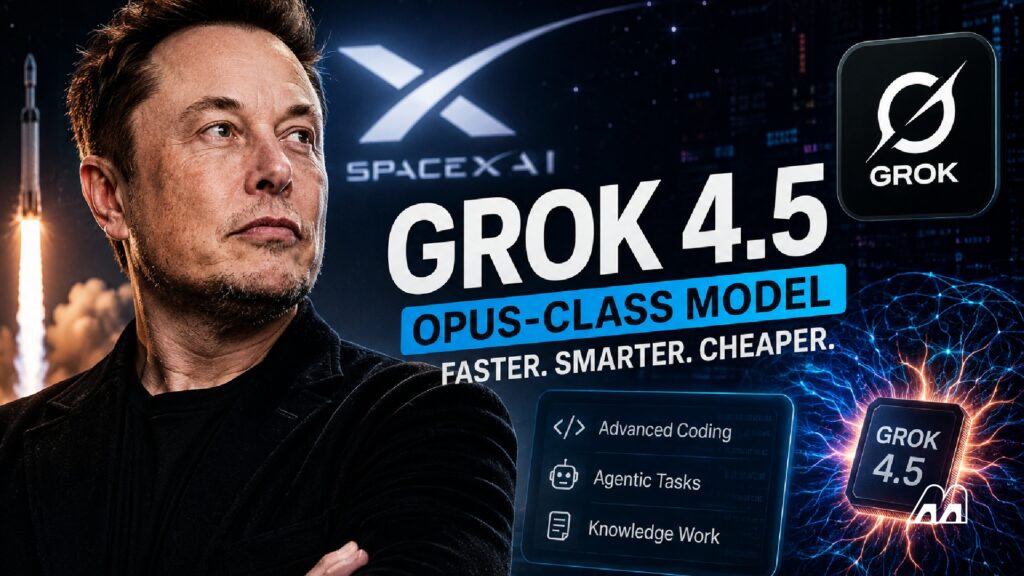
SpaceXAI Unveils Grok 4.5: Elon Musk Says New ‘Opus-Class’ AI Model Is Built for Enterprise, Coding, and Advanced Reasoning

SpaceXAI Introduces Grok 4.5 to Strengthen Its AI Leadership SpaceXAI has officially launched Grok 4.5, the latest version of its flagship artificial intelligence (AI) model and the company’s first major AI release since becoming a publicly traded business. The announcement marks another significant milestone in the rapidly evolving AI industry, where technology companies are racing to build faster, smarter, and more efficient large language models (LLMs). CEO Elon Musk described Grok 4.5 as an “Opus-class” AI model, highlighting its ability to compete with some of the world’s most advanced AI systems while delivering improved speed, performance, and efficiency for professional users. What Makes Grok 4.5 Different? According to SpaceXAI, Grok 4.5 has been engineered to handle demanding enterprise workloads with greater accuracy and reliability. The upgraded model focuses on advanced reasoning, software development, automation, and AI-powered decision-making. The latest AI system is optimized for: These improvements position Grok 4.5 as a powerful productivity tool for developers, enterprises, startups, and technology teams seeking AI-driven workflow automation. Built for Enterprise AI Applications Unlike consumer-focused chatbots, Grok 4.5 is designed with enterprise users in mind. SpaceXAI says the model performs better during extended technical tasks, allowing businesses to automate repetitive processes while improving operational efficiency. Organizations working in software development, fintech, legal technology, cybersecurity, research, and digital transformation can potentially benefit from the model’s enhanced capabilities. The growing demand for enterprise AI solutions reflects a broader shift toward AI-powered automation across industries worldwide. Competitive Pricing Targets Businesses and Developers Beyond performance upgrades, SpaceXAI is also positioning Grok 4.5 as a cost-effective solution. The company says the new model offers competitive pricing for developers and enterprises looking for advanced AI without paying premium subscription costs associated with rival platforms. By combining high-end AI capabilities with affordable pricing, SpaceXAI aims to attract startups, software companies, and corporate customers searching for scalable AI infrastructure. Competition in the AI Market Continues to Intensify The launch of Grok 4.5 comes as competition among AI companies reaches new heights. Major technology firms are investing billions of dollars in developing next-generation large language models (LLMs) capable of handling coding, automation, natural language processing (NLP), machine learning, and intelligent business workflows. SpaceXAI’s latest release signals its intention to compete directly with established AI leaders by focusing on speed, efficiency, enterprise productivity, and developer-focused innovation. As AI adoption accelerates globally, businesses are increasingly evaluating models based on performance, scalability, security, pricing, and real-world usability. Why Grok 4.5 Matters for Pakistan’s Startup Ecosystem For Pakistan’s growing technology ecosystem, the launch of Grok 4.5 could create new opportunities for startups, software houses, freelancers, and AI-driven businesses. Pakistani developers and IT companies are increasingly integrating AI into software development, customer support, digital marketing, fintech, healthcare, and business automation. Access to faster and more affordable enterprise-grade AI models could help local businesses improve productivity, reduce operational costs, and compete in international markets. With Pakistan’s expanding freelance economy and digital transformation initiatives, advanced AI tools are becoming essential for building globally competitive products and services. The Future of Enterprise AI Artificial intelligence is rapidly becoming a core business technology rather than an experimental tool. Companies are now adopting AI for intelligent automation, predictive analytics, software engineering, workflow optimization, and strategic decision-making. As AI models continue evolving, the competition will likely center on delivering greater accuracy, lower latency, enhanced security, and better value for enterprise customers. Final Thoughts The launch of Grok 4.5 demonstrates SpaceXAI’s growing ambition to become a major force in the global AI industry. With enhanced capabilities for coding, advanced reasoning, autonomous agents, and enterprise automation, the new model is positioned to meet the rising demand for professional AI solutions. For businesses, developers, and startups in Pakistan and around the world, Grok 4.5 represents another step toward an AI-powered future where intelligent automation, software innovation, and enterprise productivity play an increasingly central role in digital transformation. The Source of this news is TechinPakistan.

Scroll to Top