News

samsung
Business, News

Samsung Crosses $1 Trillion Market Cap: How the Korean Tech Giant Became Asia’s Powerhouse in AI Boom

Samsung Electronics has officially entered an elite global league by crossing the $1 trillion market capitalization milestone, becoming only the second Asian company to achieve this historic feat. The surge highlights how artificial intelligence demand, advanced chip technology, and global investor confidence are reshaping the tech industry. The South Korean giant’s rally reflects a powerful shift in global technology markets, where AI-driven semiconductors are now the backbone of economic growth. Samsung’s Historic Market Milestone Shares of Samsung Electronics surged as much as 13% in early trading, pushing its valuation to approximately 1,500 trillion won. This milestone places Samsung alongside a very small group of global trillion-dollar companies and confirms its dominance in the semiconductor and AI hardware space. The rally also lifted South Korea’s benchmark index, the KOSPI, which jumped nearly 7% to a record level above 7,400 points. AI Boom Drives Global Tech Rally The global tech surge was fueled by strong performance in US AI-linked stocks, including gains in the S&P 500 and Nasdaq. Foreign investors heavily supported the Korean market, with billions of won flowing into equities in a single trading session. Samsung alone benefited from massive institutional buying, reinforcing its position as a global AI hardware leader. Why Samsung Is Winning the AI Chip Race Samsung’s growth is not accidental—it is driven by strategic investment in next-generation semiconductor technology. The company has aggressively adopted advanced manufacturing nodes such as: According to Samsung executives, this shift allows the company to deliver higher performance chips designed specifically for AI computing workloads. Samsung also became the first company in the world to mass-produce HBM4 chips, marking a major breakthrough in memory technology. Record-Breaking Financial Performance Samsung’s financial results reflect its strong position in the global tech supply chain: This explosive growth is largely driven by rising demand for AI memory chips used in data centers and advanced computing systems. SK Hynix and Samsung Dominate Korean Market Together with SK Hynix, Samsung now controls nearly 44% of the KOSPI market value, making South Korea one of the most semiconductor-driven economies in the world. Both companies hit record highs as investors bet on long-term AI chip demand. AI Chips: The Core of the Future Tech Economy Industry analysts believe Samsung’s rally is strongly linked to: Samsung’s HBM4 chips are expected to play a key role in future AI architectures such as Nvidia’s next-generation systems. Foreign Investors Fuel Market Momentum Global investor confidence has played a major role in Samsung’s rise. Foreign inflows worth trillions of won have entered Korean equities, making the market one of the most attractive tech investment hubs. A recent brokerage partnership also allowed international investors easier access to Korean stocks, further boosting liquidity and demand. What This Means for the Global Tech Industry Samsung crossing the $1 trillion valuation signals three major shifts: Final Takeaway Samsung’s rise to a trillion-dollar valuation is more than a financial milestone—it reflects the global AI revolution reshaping technology, investment, and innovation. As AI demand continues to grow, companies like Samsung are positioned at the center of the next major tech supercycle, where semiconductors define global economic leadership. For Pakistan’s tech and startup audience following global innovation trends on ceo.com.pk, Samsung’s success offers a clear signal: the future belongs to AI-driven hardware, advanced chips, and scalable digital infrastructure. The Source of this news is Tech Juice.

Alibaba-Backed-KOKO-Tech-to-Launch-Buy-Now-Pay-Later-Services-in-Pakistan-ceo-com-pk
Business, News

“Alibaba-Backed KOKO Tech Launches BNPL in Pakistan: SECP Approval Signals Fintech Boom”

پاکستان کے فِن ٹیک سیکٹر میں ایک بڑی پیش رفت سامنے آئی ہے۔ Securities and Exchange Commission of Pakistan (SECP) نے KOKO Tech Pakistan کو Buy Now Pay Later (BNPL) سروسز شروع کرنے کے لیے لائسنس جاری کر دیا ہے۔ یہ کمپنی عالمی ٹیک جائنٹ Alibaba Group کی حمایت یافتہ ہے، جو پاکستان میں ڈیجیٹل فنانس کے مستقبل کو نئی سمت دے سکتی ہے۔ What Is BNPL and Why It Matters in Pakistan? Buy Now Pay Later (BNPL) is a rapidly growing digital lending model that allows consumers to purchase products instantly and pay later in installments. In Pakistan’s context, BNPL offers: With limited access to formal credit, BNPL can bridge the gap between consumers and financial services. AI-Powered Credit Assessment: A Game Changer KOKO Tech Pakistan plans to introduce AI-driven credit scoring systems in Pakistan. This means: The integration of artificial intelligence, machine learning, and data analytics will modernize Pakistan’s financial ecosystem. Boost for SMEs, Freelancers & Startups پاکستان میں SMEs اور فری لانسرز کو اکثر فنانسنگ تک رسائی میں مشکلات پیش آتی ہیں۔ BNPL سروسز اس خلا کو پر کر سکتی ہیں۔ Key benefits include: This aligns with Pakistan’s broader push toward a digital and inclusive economy. E-Commerce Growth Set to Accelerate With backing from Alibaba Group, the entry of BNPL services is expected to boost Pakistan’s e-commerce sector. Impact areas: This could position Pakistan as a regional e-commerce and fintech hub. Foreign Investment & Market Confidence According to Securities and Exchange Commission of Pakistan, this move represents a direct inflow of foreign investment into Pakistan’s financial sector. Dr Kabir Ahmed Sidhu highlighted that: This reflects growing confidence in Pakistan’s regulatory framework and digital adoption. What’s Next for Pakistan’s Fintech Ecosystem? The launch of BNPL services is just the beginning. مستقبل میں ہم دیکھ سکتے ہیں: These trends will strengthen Pakistan’s position in the global digital economy. Final Takeaway KOKO Tech Pakistan’s entry marks a major milestone for Pakistan’s fintech industry. Backed by Alibaba Group and powered by AI, BNPL services are set to transform how consumers access credit. For startups, SMEs, and digital businesses, this opens the door to scalable growth, financial inclusion, and innovation. The source of this news is Techlist. Stay updated with the latest insights on Pakistan’s tech, startup, and fintech ecosystem at www.ceo.com.pk.

chegg-ceo-com-pk
Business, News

“AI Shockwave Hits EdTech: Chegg Loses 99% Value as ChatGPT Disrupts Homework Help Industry”

The global edtech landscape is witnessing a dramatic shift, and Chegg has become its most striking example. Once valued at nearly $14.7 billion, the company’s market capitalization has plunged to around $115 million by April 2026—a staggering 99% decline. This rapid سقوط isn’t just a business story. It’s a clear signal of how artificial intelligence (AI), generative tools, and changing user behavior are reshaping entire industries, including education technology in Pakistan and beyond. From Startup to EdTech Giant: The Chegg Story Founded in 2005 by Osman Rashid and Aayush Phumbhra, Chegg started as a textbook rental platform. The idea was simple: make expensive college books more affordable. Over time, it evolved into a subscription-based homework help platform, offering: At its peak, millions of students paid around $19.95 monthly for access—making Chegg a dominant player in the online education market. The Turning Point: ChatGPT Changes Everything The launch of ChatGPT in November 2022 disrupted Chegg’s core business model. Students quickly shifted from: With AI tools offering real-time explanations, personalized learning, and zero cost, the need for structured paid solutions declined sharply. By 2023, Chegg reported a surge in AI usage among students. Soon after, its stock dropped nearly 48% in a single day, wiping out billions in value. Subscriber Drop & Revenue Decline The impact was immediate and measurable: Compared to its $776 million peak in 2021, the gap continues to widen. This reflects a broader trend: AI is replacing repetitive knowledge-based services at scale. Search Traffic Collapse: Google AI Adds Pressure The disruption didn’t stop with ChatGPT. Google introduced AI-generated summaries in search results, further reducing traffic to third-party platforms like Chegg. As a result: This shift highlights how search behavior, content consumption, and user journeys are evolving in the AI era. Layoffs, Cost Cuts & Survival Mode Facing declining revenue, Chegg initiated major restructuring: The company also streamlined operations to reduce losses and stabilize cash flow. A Pakistani-Origin Founder Behind the Rise Osman Rashid, born in London and raised in Islamabad, played a pivotal role in building Chegg’s early success. After leaving in 2010, he launched new ventures, including: His journey reflects the global impact of Pakistani entrepreneurs in tech and startups. Why Chegg’s Business Model Failed At its core, Chegg relied on paid access to structured answers. AI changed that equation. Key Disruptions: This eliminated Chegg’s pricing power and user retention advantage, making its subscription model less relevant. Chegg’s Pivot: Entering the $40B Skilling Market Chegg is now attempting a strategic shift toward professional learning and workforce development through its “Chegg Skilling” initiative. The focus is on: This move targets a $40 billion global market, offering a potential path to recovery. What This Means for Pakistan’s Tech Ecosystem Chegg’s سقوط offers key lessons for Pakistani startups, CEOs, and tech founders: 1. AI Disruption Is Immediate Industries built on repetitive knowledge tasks are highly vulnerable. 2. Business Models Must Evolve Subscription-based content platforms need to integrate AI or risk becoming obsolete. 3. Product Innovation Beats Services Scalable, AI-driven products offer stronger long-term growth than traditional outsourcing. Final Takeaway: A Wake-Up Call for the Digital Economy The decline of Chegg is not just about one company—it’s about a fundamental shift in how knowledge is created, accessed, and monetized. For Pakistan’s growing tech sector, this moment is critical. The rise of AI, machine learning, and digital platforms presents both risk and opportunity. The question is no longer whether AI will disrupt industries—it’s how fast businesses can adapt. The source of this news is TechinPakistan. Stay ahead with cutting-edge insights on AI, startups, and Pakistan’s digital economy at www.ceo.com.pk.

5G-Packages-Prices-in-Pakistan-for-All-Networks
Internet News, News

5G Packages in Pakistan 2026 — Complete Guide to Zong & Ufone Daily, Weekly & Monthly Internet Bundles

Pakistan’s telecom industry has entered a new era. With the official rollout of 5G in 2026, mobile internet is no longer just about browsing—it’s about speed, reliability, and a fully connected digital lifestyle. Whether you’re a freelancer uploading large files, a gamer chasing low latency, or a student attending online classes, 5G packages in Pakistan are transforming how you stay connected. In this complete guide by CEO.com.pk, we break down the latest Zong and Ufone 5G packages, including daily, weekly, and monthly bundles, activation methods, pricing, and coverage cities—so you can choose the best plan without wasting money. What Is 5G and Why It Matters for Pakistan? 5G (fifth-generation network) is the next leap after 4G LTE, offering ultra-fast speeds and near-zero latency. Key Benefits of 5G in Pakistan: For Pakistan, 5G is not just faster internet—it’s the backbone of the Digital Pakistan vision, enabling startups, tech innovation, and remote work growth. 5G Launch in Pakistan (2026 Update) In March 2026, the Pakistan Telecommunication Authority (PTA) officially auctioned 5G spectrum licenses to major telecom operators. Current Market Status: Zong leads in early deployment, while Ufone is positioned for long-term performance leadership due to its spectrum strength. What You Need to Use 5G in Pakistan Before activating any 5G internet package, ensure: Zong 5G Packages in Pakistan (Daily, Weekly, Monthly) Zong currently offers the most advanced 5G-ready packages in Pakistan. All bundles automatically switch to 5G where available. How to Activate Zong Packages Zong Daily 5G Packages Perfect for short-term usage or emergency data needs. Popular Options: Best Use Case: Zong Weekly 5G Packages Best value for regular users looking for affordability + flexibility. Top Weekly Bundles: Best Picks: Zong Monthly 5G Packages Ideal for professionals, streamers, and heavy internet users. Recommended Monthly Plans: User-Based Recommendations: Zong 5G Coverage Cities (2026) Zong’s network is live in: Ufone 5G Packages in Pakistan (Daily, Weekly, Monthly) Ufone stands out with strong all-in-one bundles combining data, calls, and SMS. How to Activate Ufone Packages Ufone Daily 5G Packages Popular Options: Highlight: U-Power daily plan is one of the cheapest unlimited bundles in Pakistan. Ufone Weekly 5G Packages Top Weekly Bundles: Best Picks: Ufone Monthly 5G Packages Key Plans: Best For: Ufone 5G Network Advantage Ufone holds the largest 3.5 GHz spectrum in Pakistan, which means: With PTCL and Telenor integration, Ufone is set to become a major 5G leader. Zong vs Ufone 5G — Which One Is Better? Feature Zong Ufone Coverage 21+ Cities Expanding Best Feature Wide data bundles All-in-one offers Weekly Value 30 GB @ Rs. 299 Unlimited @ Rs. 160 Monthly Plans Flexible Balanced Future Strength Strong rollout Spectrum advantage Verdict: How to Check 5G Coverage in Your Area If 5G isn’t available, your network will automatically switch to 4G LTE. Tips to Maximize Your 5G Bundle FAQs About 5G Packages in Pakistan Q: Do I need a new SIM for 5G?Zong: No. Ufone: Sometimes yes (check app). Q: Are 5G packages expensive?No. Most packages have similar pricing to 4G. Q: Which is the cheapest 5G weekly package?Zong: 30 GB @ Rs. 299Ufone: Unlimited @ Rs. 160 Final Verdict 5G in Pakistan is no longer a future concept—it’s live and rapidly expanding. Zong leads in early deployment with flexible internet bundles, while Ufone brings unmatched value through powerful all-in-one packages and long-term spectrum strength. For Pakistani users, the opportunity is simple:Choose a plan based on your actual usage—not hype. Whether you’re a startup founder, remote worker, student, or content creator, upgrading to 5G in 2026 is one of the smartest digital decisions you can make. Stay connected with CEO.com.pk for the latest telecom, tech, and startup news in Pakistan.

it-export-pasha-cxo
Business, News

Karachi CXO Summit 2026: Govt & Industry Unite to Accelerate Pakistan’s $IT Export Vision

Pakistan’s digital economy is gaining serious momentum as top leaders from government and industry joined forces at the high-profile Pakistan Software Houses Association (P@SHA) CXO Meetup in Karachi. The event, held on April 17, 2026, brought together policymakers, tech CEOs, and startup leaders to shape strategies for boosting IT exports and driving nationwide digital transformation. A Strong Push for Pakistan’s IT Economy The Sindh government reaffirmed its commitment to making Information Technology a cornerstone of economic growth. Ali Rashid, Special Assistant to the Chief Minister Sindh on IT, highlighted that the province sees the tech sector as a key driver of innovation, employment, and exports. He emphasized that improving ease of doing business, empowering freelancers, and digitizing government systems are top priorities. The government also plans to collaborate closely with Pakistan Software Houses Association (P@SHA) to accelerate e-governance and public sector digitization. PSEB’s Roadmap: Global Expansion & Investment A major highlight came from Pakistan Software Export Board (PSEB) CEO Faisal Jeddy, who shared key updates on Pakistan’s IT export strategy. One of the most significant announcements:👉 Foreign companies can now open Roshan Digital Accounts, making it easier to invest and operate in Pakistan’s tech ecosystem. Jeddy also outlined plans to: This aligns with trending search interests like Pakistan IT exports growth, tech investment Pakistan, and startup ecosystem Pakistan. AI & 5G: The Future of Pakistan’s Tech Industry Sajjad Mustafa Syed stressed that Pakistan must adopt emerging technologies like Artificial Intelligence (AI) and 5G to stay competitive globally. He highlighted that without these advancements, the country risks falling behind in the international tech race. The industry is also ready to support ambitious initiatives, including $1 billion AI projects, aimed at transforming Pakistan into a digital powerhouse. Skills, Youth & the Digital Workforce Government officials emphasized the urgent need to equip Pakistan’s youth with market-relevant tech skills. Instead of relying solely on academic degrees, the focus is shifting toward practical training in areas like: This approach supports Pakistan’s growing freelance economy and aligns with global demand for digital talent. Industry Leaders Call for Policy Reforms Key voices from the tech sector, including Muhammad Umair Nizam and Munaf Majeed, emphasized the need for stronger collaboration between government and industry. They called for: Meanwhile, Khushnood Aftab highlighted the importance of accelerating Special Technology Zones (STZs) to boost the Made-in-Pakistan tech initiative. Why This Meetup Matters for Pakistan’s Economy The CXO Meetup signals a unified vision: transforming Pakistan into a global IT hub. With government backing, industry expertise, and a young digital workforce, the country is well-positioned to scale its IT exports and attract international investment. Keywords like Pakistan IT policy 2026, digital transformation Pakistan, and startup growth Pakistan are gaining traction—reflecting rising interest in the country’s tech future. Final Thoughts The collaboration between the Sindh government, Pakistan Software Export Board (PSEB), and Pakistan Software Houses Association (P@SHA) marks a significant step toward strengthening Pakistan’s digital economy. The source of this news is Bollywood ProPakistani. If these strategies are implemented effectively, Pakistan could emerge as a leading player in the global IT market. For more updates on Pakistan’s tech industry, startup ecosystem, and CEO insights, stay connected with CEO.com.pk.

5g-pakistan-ceo-com
News, Technology News

Pakistan’s Spectrum Crisis: The Silent Bottleneck Slowing Down the Digital Economy

Pakistan’s digital growth story is at a critical turning point—and at the center of it lies a problem few outside the telecom sector fully understand: spectrum scarcity. As the country prepares for its long-awaited spectrum auction, this moment could redefine the future of connectivity, innovation, and the broader tech ecosystem. What Is Spectrum and Why It Matters More Than Ever Spectrum refers to the radio frequencies that telecom operators use to deliver mobile services—calls, internet, and data. It’s a limited national resource, and without enough of it, even the most advanced infrastructure cannot deliver fast or reliable connectivity. In Pakistan, the issue is clear: This imbalance has quietly slowed down everything from startup growth to AI adoption, making spectrum one of the most important yet overlooked components of the digital economy. The Real Problem: A Capacity Crunch Pakistan’s telecom networks are approaching their limits, especially in major cities like Karachi, Lahore, and Islamabad. Users experience this daily through: For startups, freelancers, and digital businesses, this is more than an inconvenience—it’s a growth barrier. Global insights, including warnings from industry bodies like GSMA, highlight that delays in releasing spectrum can cost economies billions in lost productivity and innovation. The 2026 Spectrum Auction: A Make-or-Break Moment After years of delays, Pakistan is finally moving toward a major spectrum auction scheduled for March 2026. What’s on the table? This is expected to be the largest spectrum release in Pakistan’s history. Why This Auction Is Bigger Than Just 5G While many see this auction as a step toward 5G, its impact goes much deeper: 1. Immediate 4G Improvement Additional spectrum will reduce congestion and improve current network performance. 2. Foundation for Future Tech From AI-driven services to fintech platforms, better connectivity is essential for scaling innovation. 3. Startup Ecosystem Boost Reliable internet is the backbone of: Without it, growth remains limited. Challenges That Could Make or Break the Outcome Despite the opportunity, several risks remain: High Costs for Operators Telecom companies have raised concerns about: In a low-revenue market, these factors could discourage aggressive bidding. Policy and Regulatory Uncertainty Investors and operators need clarity on: Without consistency, even new spectrum may not translate into rapid deployment. Infrastructure Gaps Beyond Spectrum Spectrum alone isn’t enough. Pakistan still needs: Without these, the full benefits of the auction may remain unrealized. Key Telecom Players and the Competitive Shift Major telecom operators—including Jazz, Zong, Telenor, and Ufone—are entering a defining phase. The outcome of this auction will determine: For smaller players, it may become a balancing act between growth and financial sustainability. Why Startups and Tech Founders Should Care For Pakistan’s startup ecosystem, spectrum is not a telecom issue—it’s a business survival issue. Better connectivity means: In a world where visibility and execution define success, poor internet infrastructure can quietly kill even the best ideas. The Bigger Picture: Fixing a Structural Weakness This auction is not just about launching a new generation of mobile technology. It is about fixing a long-standing structural gap in Pakistan’s digital infrastructure. If executed correctly, it can: If mishandled, it risks continuing a cycle of: Final Thoughts: A Defining Moment for Pakistan’s Digital Future Pakistan stands at a crossroads. The March 2026 spectrum auction is more than a policy event—it’s a strategic decision that will shape the country’s digital economy for the next decade. The real question is not whether Pakistan can afford to release more spectrum. It’s whether it can afford not to get this right. For founders, investors, and policymakers alike, the message is clear:Connectivity is no longer infrastructure—it’s the foundation of competitiveness.

indus-ai-week-ceo-com
News, Technology News

Indus AI Week 2026: Pakistan’s Breakthrough Moment as AI Moves from Vision to Reality

Pakistan is stepping into a new digital era—and Indus AI Week 2026 marks the moment when artificial intelligence in the country shifts from ambition to real execution. This isn’t just another tech event. It’s a nationwide AI movement designed to accelerate innovation, empower startups, and position Pakistan in the global AI economy. For founders, developers, investors, and policymakers, this is a defining opportunity. 🚀 What Is Indus AI Week 2026? Indus AI Week 2026 is a week-long national initiative (Feb 9–15, 2026) led by the Ministry of IT & Telecommunication (MoITT). It brings together: 🎯 Core Objectives 👉 The goal is simple: turn AI conversations into scalable solutions. 🌟 Flagship Events Driving the AI Ecosystem 🏛️ Indus AI Summit (Feb 9 – Islamabad) The Indus AI Summit at Jinnah Convention Center serves as the strategic backbone of the week. Key Focus Areas: 👉 This is where Pakistan defines its AI roadmap and digital future. 💡 AI Expo & Innovation Arena (Feb 9–10) Hosted at the Islamabad Sports Complex, this is the most interactive part of the event. 🔍 What You’ll See: 👉 Perfect for discovering real AI use cases in Pakistan. 🧠 Uraan AI Techathon 1.0 A high-impact innovation challenge where: build AI-driven solutions for real-world problems. 👉 Winning here can boost startup credibility and investor interest. 🎓 AI Training & Certification Programs Skill-building sessions designed for: 👉 Focus on AI education, upskilling, and workforce readiness. 💼 Jobs & Talent Fair Connecting: with: 👉 A major boost for Pakistan’s tech talent ecosystem. 👩‍💼 AI For Her Initiative A dedicated platform to: 👉 Driving inclusive innovation in Pakistan’s AI space. 🌍 Nationwide Participation: Beyond Islamabad One of the strongest aspects of Indus AI Week is its decentralized approach. Across Pakistan, you’ll see: 🎯 Who Benefits? 👉 This ensures AI adoption reaches every layer of the ecosystem. 📈 Why Indus AI Week 2026 Matters for Startups For startups in Pakistan, this is more than exposure—it’s a growth catalyst. 🚀 Key Benefits 👉 AI is no longer optional. It’s becoming the foundation of scalable startups. 🌐 A Strategic Step Toward Global Recognition Indus AI Week 2026 is also about reshaping Pakistan’s global tech narrative. At a time when global AI leadership is concentrated in a few countries, Pakistan is signaling: 👉 This strengthens Pakistan’s position in the global digital economy. 🔥 The Bigger Picture: From Fragmentation to Coordination Pakistan’s AI efforts have long been scattered. Indus AI Week changes that by creating: 👉 It’s the beginning of a coordinated national AI strategy. 🚀 Final Take: A Defining Moment for Pakistan’s Future Indus AI Week 2026 is not just an event—it’s a turning point. The source of this news is Startup. It reflects a bold shift toward: 📌 For Founders & Builders This is your moment to: 💡 Conclusion Pakistan has the talent, the ideas, and the market potential to thrive in the AI era. Indus AI Week 2026 provides the platform to turn that potential into real impact. The message is clear: The future belongs to those who don’t just talk about AI—but build with it. 👉 Stay updated with the latest startup, AI, and tech insights on www.ceo.com.pk — your gateway to Pakistan’s innovation economy.

wef-davous-ceo-com
News, Technology News

Davos 2026 Wake-Up Call: What Pakistan’s Startups Must Learn to Win the Global AI Economy

The World Economic Forum (WEF) Davos 2026 delivered a powerful message: the global AI race has entered a new phase. It’s no longer about ideas or hype—it’s about execution, discipline, and real economic impact. For Pakistan’s startup and AI ecosystem, this moment is critical. The world is watching, but only those who are ready to scale responsibly will attract capital, partnerships, and global relevance. Here’s a clear, founder-focused breakdown of what Davos 2026 means for Pakistan. 🚀 AI Is No Longer a Feature—It’s Core Infrastructure At Davos 2026, artificial intelligence was not treated as innovation—it was discussed as essential infrastructure, just like cloud computing or cybersecurity. 🔍 What This Means for Pakistani Startups 👉 Startups must show how AI improves: SEO Insight: AI adoption in Pakistan, AI startups Pakistan, scalable AI solutions 📌 Bottom line: If your AI doesn’t directly impact outcomes, it won’t matter. 📉 Emerging Markets Face Tougher Filters Global investors have changed how they view markets like Pakistan. The narrative has shifted from “high potential” to “prove it.” 🔑 What Investors Now Expect Gone are the days when population size or market promise could win investor interest alone. 👉 Pakistani startups must focus on: LSI Keywords: startup funding Pakistan, venture capital Pakistan, investor readiness 🧠 The Real AI Gap: Leadership, Not Talent Davos revealed a surprising truth: AI projects fail more due to leadership gaps than technical issues. Pakistan has: ⚠️ The Missing Link 👉 Startups must invest in: NLP Terms: AI product development, AI strategy, digital leadership Pakistan 🔐 Responsible AI = Global Market Access One of the strongest signals from WEF 2026: Responsible AI is no longer optional—it’s mandatory. 🌍 Why It Matters Global markets now demand: For Pakistani startups, especially in: 👉 This is a competitive advantage opportunity, not just a compliance burden. SEO Keywords: responsible AI Pakistan, data governance, ethical AI 🎯 Vertical AI Is Winning Big Investors are shifting away from broad AI platforms to focused, industry-specific solutions. 📊 Where Pakistan Has an Edge 👉 Instead of building general tools, focus on: LSI Terms: vertical AI startups, industry-specific AI, SME solutions Pakistan 💰 Capital Still Exists—But It’s Selective Despite global uncertainty, funding hasn’t disappeared—it has become smarter. 🔍 What Investors Want Now 👉 Good news for Pakistan: Local startups already operate in resource-constrained environments, making them naturally efficient. SEO Keywords: startup investment trends 2026, funding challenges Pakistan 👀 Visibility Opens Doors—Execution Closes Deals Davos proved that global exposure matters—but only to a point. 📌 Reality Check for Founders To convert interest into funding, startups need: 👉 Without execution, visibility is just noise. 🇵🇰 The Big Takeaway for Pakistan’s Startup Ecosystem Pakistan stands at a defining crossroads in the global AI economy. 🌟 Strengths ⚠️ Challenges 🔥 Final Verdict: Preparedness Will Decide Everything Davos 2026 made one thing crystal clear: The world is no longer betting on potential. It is rewarding preparedness. For Pakistani founders, this means: 🚀 Conclusion: From Potential to Power Pakistan has everything it needs to succeed in the AI-driven global economy: But success will depend on one factor: discipline in execution. If these lessons from Davos are applied, Pakistan can move from being a promising ecosystem to a globally competitive startup hub. 👉 Stay ahead with the latest insights on startups, AI, and funding at www.ceo.com.pk — your source for Pakistan’s digital future.

pakistan-startup-fund-ceo-com
News, Startup's

Pakistan Startup Fund & Indus AI Week 2026: The Ultimate Growth Blueprint for Founders Ready to Scale

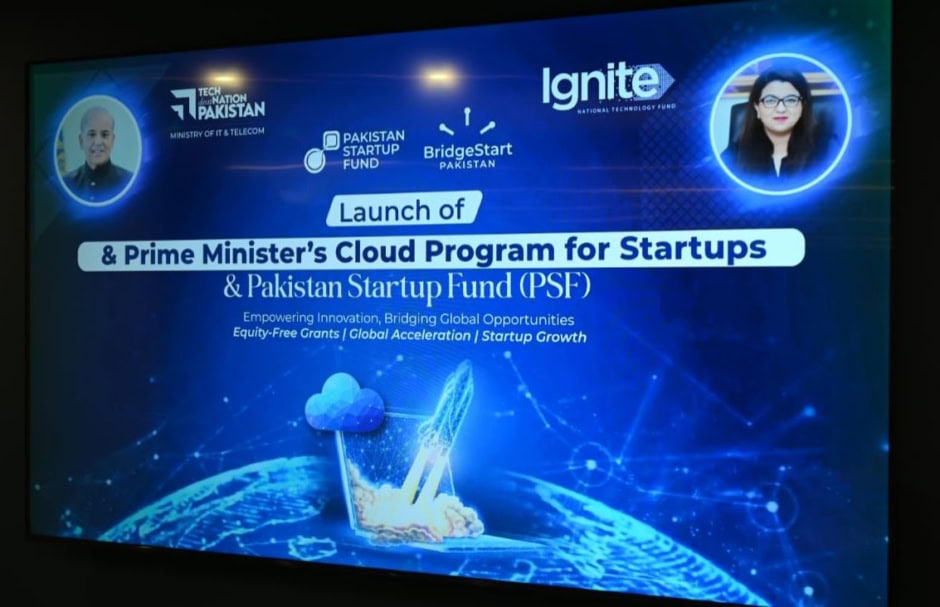
Pakistan’s startup ecosystem is entering a defining phase. With equity-free funding and a nationwide push toward artificial intelligence, February 2026 is shaping up to be a turning point for founders aiming to scale fast, raise smart capital, and build globally competitive startups. If you’re a founder searching for startup funding in Pakistan, AI opportunities, or investor access, here’s your complete, actionable guide. 🚀 A Game-Changing Moment for Pakistan Startups The Ministry of IT & Telecommunication (MoITT) has moved beyond policy talk and into execution mode. The focus is clear: combine capital + capability to accelerate innovation. Two powerful initiatives are leading this transformation: Together, they create a rare opportunity for founders to secure funding, visibility, and scale—all at once. 💰 Pakistan Startup Fund (PSF): Free Capital Without Giving Equity The Pakistan Startup Fund (PSF) is not a traditional venture capital fund. Instead, it’s a non-dilutive funding mechanism designed to boost investor confidence and reduce startup risk. 🔍 How PSF Works (The “Last Cheque” Model) PSF steps in after you secure private investment: 👉 Example: If you raise 70% from investors, PSF can cover the remaining 30%—without taking equity. 🎯 Why This Matters for Founders 📊 High-Priority Sectors While PSF is open to all startups, key focus areas include: 🤖 Indus AI Week 2026: Pakistan’s Biggest AI Opportunity If PSF provides capital, Indus AI Week 2026 delivers exposure, connections, and momentum. This national event brings together: 🌟 Key Opportunities You Can’t Miss 🏢 Startup Pavilion (Feb 9–10) ✔ Best for: Startups with working products and demos 🤝 Investor Matchmaking Sessions 🧠 Uraan AI Techathon 1.0 👩‍💼 AI for Her Initiative 💼 Jobs & Talent Fair 📈 Winning Strategy: How Founders Should Act Now ✅ Step 1: Secure a Lead Investor Your strongest pitch line: “If you lead this round, the government will co-invest up to 30%—equity-free.” This instantly boosts investor confidence. ✅ Step 2: Apply for Pavilion & Techathon Focus on: 💡 Tip: Slide decks alone won’t win—execution will. ✅ Step 3: Build Visibility & Network 🔥 Why This Moment Is Different This isn’t just another startup event cycle. It’s a rare alignment of: For Pakistani founders, this means: 📊 Final Takeaway for Founders Pakistan’s startup ecosystem is evolving rapidly. The combination of PSF funding + Indus AI Week exposure creates a powerful launchpad for startups ready to scale. Ask Yourself: 🚀 The Bottom Line This is not just an opportunity—it’s a strategic window. Startups that act now will: Those who wait may miss one of the most impactful growth phases in Pakistan’s startup history. 👉 Stay connected with www.ceo.com.pk for the latest startup funding news, AI trends, and founder insights shaping Pakistan’s digital future.

future-jobs-ceo-com
News, Startup's

AI Isn’t Killing Jobs—It’s Rewriting Them: What Pakistan’s Startups Must Do Now

Generative AI is no longer a future concept—it’s already transforming how work gets done. A recent global study analyzing over 200,000 real user interactions with AI tools confirms a critical shift: jobs are not disappearing, they are being redesigned at the task level. For Pakistan’s workforce and startup ecosystem, this insight is not just important—it’s urgent. 🤖 The Real Impact of Generative AI on Jobs Forget the extreme narratives. AI is neither wiping out entire professions overnight nor magically creating endless jobs. Instead, it is reconfiguring work. 📊 What the Data Reveals 👉 This means jobs are being unbundled into smaller tasks: ⚠️ Pakistan’s Biggest Risk: Training for the Wrong Jobs Pakistan’s education and job pipeline is still focused on: These are exactly the roles AI is rapidly absorbing. Meanwhile, critical future skills are underdeveloped: 👉 This mismatch could leave thousands of young workers unemployable in the next decade. 🚀 New Job Categories Emerging in the AI Era Generative AI is not just replacing tasks—it’s creating entirely new roles. 🔑 High-Demand Roles 🧠 AI Prompt Engineers Experts who know how to extract accurate results from AI systems. ✅ AI Trainers & Verifiers Humans who refine, fact-check, and improve AI outputs. 💡 AI Startup Founders Entrepreneurs solving local problems using AI tools. 🤝 Human-Centric Professionals Teachers, counselors, healthcare workers—enhanced by AI, not replaced. 👉 The future belongs to those who combine human intelligence with AI efficiency. 🇵🇰 Why This Matters for Pakistan’s Startup Economy Pakistan is at a critical turning point. With: …the country has the potential to leapfrog into the AI economy. But only if startups act fast. 💡 Startup Opportunities in the AI Era ✍️ AI-Powered Content & Marketing Startups can build agencies that combine: 👉 Delivering scalable, cost-effective solutions for SMEs and exporters. 🎓 EdTech & AI Learning Platforms AI tutors can: 👉 A game-changer for Pakistan’s education gap. 🧾 AI Tools for SMEs Small businesses can benefit from: 👉 Massive opportunity in Pakistan’s SME-driven economy. 🏥 HealthTech Innovation AI assistants can: 👉 Reducing pressure on healthcare systems, especially in rural areas. 🌾 Agritech Solutions AI can help farmers with: 👉 Boosting productivity in a sector contributing nearly 20% to GDP. 🏛️ GovTech & Public Services AI chatbots can simplify: 👉 Improving digital governance and citizen experience. 📈 The Startup Advantage: Localization Wins The biggest opportunity is not reinventing AI—it’s localizing it. Winning startups will: 👉 Global ideas + local execution = massive impact. 🧠 Key Takeaways for Founders & Leaders 🔥 Final Word: Adapt or Fall Behind The AI revolution is already here. The question is no longer:👉 Will AI change jobs? It already has. The real question for Pakistan is:👉 Will we adapt fast enough to benefit from it? For readers of CEO.com.pk, the strategy is clear: Because in this new economy: 👉 Those who understand AI will lead. The source of this news is Startup. Those who ignore it will struggle to survive.

Scroll to Top