Author name: CEO Team

Road to the 2026 Asian Games Begins as 23 Teams Battle in PUBG MOBILE Esports Qualifiers
News

Road to Asian Games 2026 Begins: 23 National Teams Enter PUBG MOBILE Esports Qualifiers

2026 Asian Games Esports Race Officially Kicks Off The journey to the 2026 Asian Games has officially begun as 23 national teams prepare to compete in the PUBG MOBILE Asian Games Version Qualifiers. The tournament marks an important chapter for competitive gaming in Asia, bringing together the region’s best players to battle for a coveted place at one of the continent’s biggest multi-sport events. As esports continues to gain international recognition, the qualifiers highlight the growing importance of mobile gaming in the global sports ecosystem. Teams will represent their countries in high-pressure matches where strategy, communication, and teamwork will decide who advances to the Asian Games. PUBG MOBILE Strengthens Esports on the Global Stage The inclusion of PUBG MOBILE in the Asian Games demonstrates how far esports has evolved from a niche pastime into a globally recognized competitive discipline. Millions of fans now watch professional gaming tournaments, while esports athletes enjoy increasing popularity, sponsorship opportunities, and international recognition. The specially developed Asian Games Version focuses on competitive integrity by emphasizing player skill, tactical decision-making, and teamwork rather than in-game purchases. This creates a level playing field that aligns with international sporting standards. 23 National Teams Battle for Qualification The qualifiers feature 23 national squads, each earning their place through domestic selections and regional competitions. Every participating nation will aim to secure one of the limited qualification spots for the 2026 Asian Games. Fans can expect thrilling matches filled with calculated rotations, survival tactics, and intense team coordination. With only a handful of qualification slots available, every match will carry enormous significance as teams fight to keep their Asian Games dreams alive. A Big Opportunity for Asia’s Rising Esports Talent For many professional gamers, competing at the Asian Games represents the highest level of achievement. Unlike commercial tournaments, players wear their national colors and compete for national pride on an international stage. Strong performances can open doors to professional contracts, sponsorship deals, content creation opportunities, coaching roles, and careers in esports management. The event also showcases how gaming has become a legitimate career path supported by growing investments from governments, private organizations, and technology companies. Pakistan’s Esports Industry Continues to Grow Pakistan’s gaming ecosystem has expanded rapidly over the past few years. Local PUBG MOBILE tournaments continue to attract thousands of participants, while Pakistani players and teams have earned recognition in regional competitions. Improved internet connectivity, affordable smartphones, expanding digital infrastructure, and a young gaming community have created favorable conditions for esports growth. Success in international competitions could further strengthen Pakistan’s position as an emerging esports destination in South Asia while encouraging greater investment in local gaming talent. Technology Is Powering the Future of Competitive Gaming Modern mobile processors, cloud computing, AI-powered analytics, and low-latency internet networks have transformed competitive gaming. Emerging technologies such as 5G connectivity, artificial intelligence, and advanced streaming platforms are making esports faster, more immersive, and more accessible for both players and viewers. Live streaming and social media platforms also continue to expand esports audiences by allowing fans to follow tournaments, teams, and professional players from anywhere in the world. Why These Qualifiers Matter The PUBG MOBILE Asian Games Version Qualifiers represent more than just another esports tournament. They reflect the rapid professionalization of competitive gaming across Asia while strengthening collaboration between gaming organizations and sporting authorities. The competition also reinforces the importance of standardized rules, athlete development, and international recognition for esports. For fans, it promises exciting rivalries, unforgettable moments, and world-class gameplay as the continent’s top teams compete for a place at the 2026 Asian Games. Final Thoughts The road to the 2026 Asian Games has officially started, and the PUBG MOBILE Asian Games Version Qualifiers are set to showcase Asia’s finest esports talent. With 23 national teams competing for qualification, the tournament highlights the continued rise of competitive gaming as a mainstream sporting discipline. For Pakistan, the event serves as both inspiration and opportunity. Continued investment in digital infrastructure, gaming talent, and esports development can help produce future champions while strengthening the country’s position in the rapidly growing global gaming industry. As technology and esports continue to evolve together, competitions like these are shaping the future of digital sports across Asia. The source of this news is Techinpakistan.

Top Business Ideas That Need Almost Zero Investment
News

Top 10 Low-Investment Business Ideas in Pakistan That Can Generate High Income in 2026

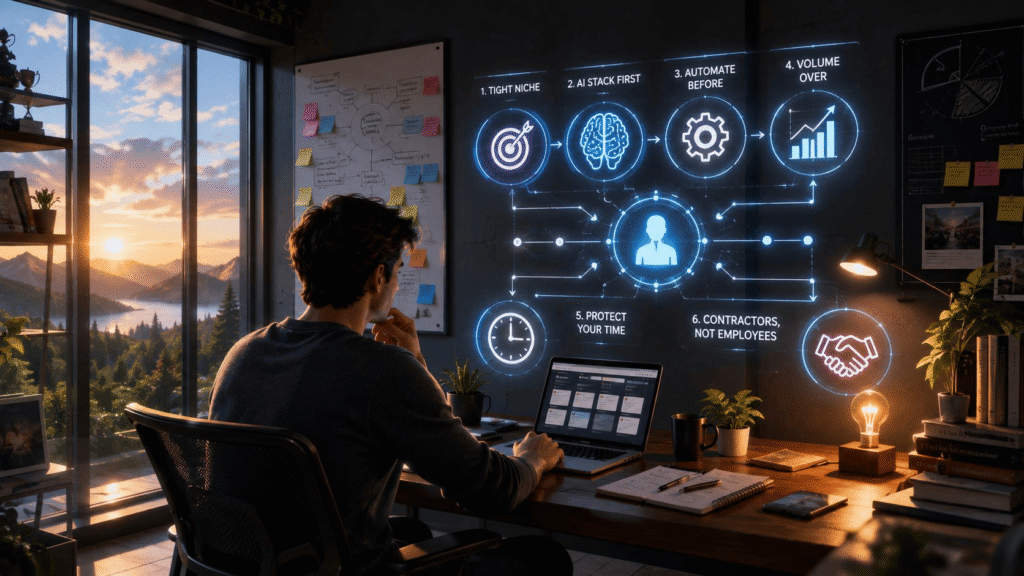
Launching a successful business no longer requires millions in capital, an expensive office, or a large workforce. Thanks to the rapid growth of the digital economy, cloud technology, artificial intelligence (AI), and remote work, aspiring entrepreneurs in Pakistan can build profitable businesses with little more than a laptop, smartphone, and reliable internet connection. The country’s expanding freelance industry, startup ecosystem, e-commerce market, and digital payment solutions have created countless opportunities for individuals looking to earn online or establish scalable businesses with almost zero investment. Whether you’re a student, freelancer, working professional, or aspiring startup founder, these business ideas can help you generate sustainable income while keeping financial risk to a minimum. 1. Freelancing – Pakistan’s Fastest-Growing Digital Business Freelancing remains one of the most accessible online businesses for Pakistanis. Instead of investing money, you invest your skills. International clients regularly hire freelancers for projects in software development, content creation, digital marketing, graphic design, and virtual assistance. Popular freelance skills include: Build a strong portfolio, deliver quality work, and positive client reviews will help you secure repeat business and higher-paying projects. 2. Become a Content Creator The creator economy continues to grow across YouTube, Instagram, TikTok, LinkedIn, Facebook, and personal blogs. If you enjoy educating, entertaining, or sharing expertise, content creation can become a long-term online business. Choose a profitable niche such as: You can monetize your audience through advertising revenue, affiliate marketing, sponsorships, brand collaborations, online courses, memberships, and digital products. Consistency and valuable content are the biggest investments. 3. Launch a Print-on-Demand Business Print-on-demand eliminates one of the biggest challenges in e-commerce—inventory management. Instead of purchasing products in advance, items are manufactured only after customers place an order. Popular products include: Suppliers handle printing, packaging, and shipping, allowing entrepreneurs to focus on branding, customer acquisition, and digital marketing. 4. Build a Social Media Marketing Agency Thousands of Pakistani businesses understand the importance of social media but lack the expertise to manage it effectively. If you understand Facebook, Instagram, LinkedIn, TikTok, or X (formerly Twitter), you can start a digital marketing agency with virtually no startup capital. Services may include: As your client base grows, you can expand your team and transform your freelance operation into a full-service agency. 5. Start Online Tutoring Online education has become one of Pakistan’s fastest-growing industries. Teachers, university graduates, and professionals can provide virtual classes in: Video conferencing platforms and digital learning tools allow tutors to teach students worldwide while generating recurring monthly income. 6. Offer AI Consulting and Prompt Engineering Services Artificial Intelligence is transforming every industry. However, many businesses still struggle to understand how AI can improve productivity and automate operations. Entrepreneurs with knowledge of AI tools can provide services such as: Since AI adoption is accelerating globally, this business has enormous growth potential with almost zero startup cost. 7. Earn Passive Income Through Affiliate Marketing Affiliate marketing allows entrepreneurs to earn commissions by promoting products and services online. You can recommend products through: Every successful purchase through your referral link generates commission, making affiliate marketing an attractive long-term passive income model. Success depends on building trust with your audience and creating helpful, informative content. 8. Sell Digital Products Unlike physical goods, digital products can be created once and sold repeatedly without inventory or shipping costs. Popular digital products include: Digital products provide excellent profit margins and can become an additional revenue stream alongside freelancing or consulting. 9. Start a Virtual Assistant Business Global startups, entrepreneurs, and SMEs increasingly hire remote virtual assistants to manage daily operations. Typical services include: As remote work continues expanding worldwide, demand for skilled virtual assistants is expected to rise steadily. 10. Launch an SEO and Digital Marketing Consultancy Every business wants higher Google rankings, increased website traffic, and stronger online visibility. If you understand Search Engine Optimization (SEO), Google Ads, content marketing, or local SEO, you can offer consulting services without major upfront investment. High-demand services include: Businesses willingly invest in marketing professionals who deliver measurable business growth and quality leads. Why Low-Investment Businesses Are Growing in Pakistan Technology has dramatically lowered the barriers to entrepreneurship. Cloud computing, AI-powered software, online collaboration platforms, digital payment systems, and affordable internet access have enabled entrepreneurs to launch businesses faster than ever before. Instead of investing large amounts of money, successful founders now focus on developing valuable skills, building personal brands, creating digital assets, and solving real-world problems. Starting with minimal investment also reduces financial risk while allowing entrepreneurs to validate ideas before scaling. Tips to Succeed With a Zero-Investment Business Starting small doesn’t mean thinking small. Long-term success depends on continuous learning and disciplined execution. Keep these strategies in mind: Final Thoughts Pakistan’s digital economy is creating unprecedented opportunities for entrepreneurs who are willing to learn, adapt, and innovate. Whether you choose freelancing, AI consulting, content creation, affiliate marketing, digital products, online tutoring, or digital marketing services, you no longer need significant capital to launch a profitable venture. The biggest investment today is not money—it’s your knowledge, consistency, and ability to solve real problems. As technology continues to reshape industries, entrepreneurs who embrace digital skills and emerging trends will be best positioned for sustainable success. If you’re planning to start your entrepreneurial journey in Pakistan, now is one of the best times to turn your expertise into a scalable business. Start with the resources you already have, focus on delivering value, and grow step by step. The businesses that thrive tomorrow will be built by those who take action today. The source of this news is Techinpakistan.

Claude Mythos 5 and Fable 5 Access Suspended Once Again Amid Security Concerns
Breaking News Pakistan

Anthropic Suspends Claude Mythos 5 and Fable 5 Again as AI Security Concerns Spark Global Debate

Anthropic has once again suspended access to its advanced AI models, Claude Mythos 5 and Claude Fable 5, following fresh restrictions imposed by U.S. authorities over national security concerns. The development has intensified the global discussion around AI governance, export controls, and the responsible deployment of frontier artificial intelligence models. The temporary suspension comes at a time when governments and technology companies are working to balance rapid AI innovation with the need to prevent misuse of increasingly powerful language models. Why Were Claude Mythos 5 and Fable 5 Suspended? According to reports, U.S. authorities introduced additional restrictions on foreign access to Anthropic’s latest AI models, citing concerns that advanced “jailbreak” techniques could bypass built-in safety mechanisms. The directive prompted Anthropic to temporarily disable access while complying with government requirements. The company has said it disagrees with parts of the ruling but will continue working with regulators as the issue is reviewed. ([The Times of India][1]) The move highlights the growing scrutiny surrounding advanced AI systems that possess sophisticated reasoning, coding, and problem-solving capabilities. AI Safety Takes Center Stage The latest restrictions underscore how AI safety has become a major priority for governments worldwide. As generative AI evolves, policymakers are increasingly concerned about preventing the misuse of highly capable models in sensitive sectors. Technology companies are also strengthening responsible AI practices by improving model safeguards, expanding security testing, and investing in transparency measures to reduce potential risks. For businesses and developers, the incident serves as a reminder that compliance and AI governance are becoming essential parts of deploying advanced AI solutions. What This Means for the Global AI Industry The suspension could have broader implications for the artificial intelligence industry. Experts believe the decision may influence future regulations governing frontier AI models, particularly those with advanced coding, cybersecurity, and autonomous reasoning capabilities. The development also raises questions about how governments should regulate cutting-edge AI without slowing innovation. As countries race to establish leadership in artificial intelligence, policymakers must balance technological progress with national security and public safety. Impact on Businesses and Startups Technology startups, software companies, and enterprise AI users closely monitor regulatory developments because they directly affect product availability, international collaboration, and AI adoption strategies. Businesses building AI-powered applications may increasingly diversify across multiple AI platforms rather than relying on a single provider. The incident also reinforces the importance of secure AI deployment, compliance planning, and responsible innovation for organizations integrating large language models into their operations. Why This Matters for Pakistan’s Tech Ecosystem For Pakistan’s growing technology sector, the situation offers valuable lessons. As local startups expand their use of artificial intelligence in fintech, healthtech, edtech, and enterprise software, understanding global AI regulations will become increasingly important. Pakistan’s IT companies and AI developers should prioritize ethical AI development, cybersecurity, data governance, and regulatory compliance to remain competitive in international markets. The evolving global AI landscape also presents opportunities for local innovators to build trustworthy AI solutions that align with emerging international standards. The Future of AI Regulation The suspension of Claude Mythos 5 and Claude Fable 5 reflects a larger shift toward stronger oversight of frontier AI technologies. Governments, technology firms, and research organizations are expected to collaborate more closely on developing common frameworks for AI safety, transparency, and accountability. As artificial intelligence becomes more powerful, future regulations will likely focus on reducing security risks while supporting innovation that benefits businesses, governments, and society. Final Thoughts Anthropic’s latest suspension of Claude Mythos 5 and Claude Fable 5 demonstrates how AI regulation is rapidly becoming a defining issue for the global technology industry. While the restrictions are temporary, they highlight the increasing importance of AI governance, cybersecurity, export controls, and responsible innovation. For Pakistan’s startup ecosystem, technology companies, and digital entrepreneurs, staying informed about international AI policy trends will be critical. As artificial intelligence continues to reshape industries, organizations that combine innovation with strong security and ethical standards will be best positioned for long-term success. The source of this news is Techinpakistan.

IT-and-Telecom-Ministry-Receives-Significant-Budget-Boost
News

Pakistan Boosts IT & Telecom Budget by 15.8% to Rs. 22.5 Billion, Strengthening the Nation’s Digital Future

Pakistan’s digital economy has received a significant boost as the federal government proposed a 15.8% increase in the budget for the Ministry of Information Technology and Telecommunication, raising the total allocation to Rs. 22.50 billion. The move highlights the government’s commitment to accelerating digital transformation, expanding technology infrastructure, and strengthening Pakistan’s growing IT sector. The increased funding is expected to support key initiatives that can improve digital connectivity, enhance cybersecurity, promote innovation, and create new opportunities for startups, freelancers, and technology businesses across the country. Higher IT Budget Signals Strong Digital Vision The proposed budget increase reflects Pakistan’s long-term strategy to build a competitive digital economy. As technology becomes a key driver of economic growth, greater investment in the IT and telecom sector can help modernize public services and encourage private-sector innovation. Industry experts believe the additional funding will strengthen Pakistan’s digital ecosystem while supporting initiatives aimed at increasing IT exports and attracting foreign investment. Key Areas Expected to Benefit The enhanced allocation is likely to accelerate several high-priority technology projects across Pakistan. Some of the major focus areas include: These investments can help improve internet accessibility while enabling businesses and government institutions to adopt more efficient digital solutions. Positive Impact on Pakistan’s Startup Ecosystem Pakistan’s startup ecosystem continues to evolve despite global economic challenges. Increased public investment in technology infrastructure can provide a stronger foundation for entrepreneurs developing innovative solutions in fintech, healthtech, edtech, agritech, and software services. Better connectivity, digital platforms, and cloud-based infrastructure can reduce operational barriers for startups while improving access to domestic and international markets. Technology incubators, innovation centers, and digital accelerators may also benefit from stronger government support, creating an environment that encourages entrepreneurship and innovation. New Opportunities for IT Professionals and Freelancers Pakistan has become one of the world’s fastest-growing freelance markets. Improved investment in digital infrastructure and technology education can create additional employment opportunities for software developers, cybersecurity specialists, AI engineers, cloud architects, and data professionals. Expanding internet access and digital services will also help freelancers compete more effectively in global markets while contributing to higher IT export revenues. As businesses continue their digital transformation journeys, demand for skilled technology professionals is expected to increase across multiple industries. Why Investors Are Watching the IT Budget The higher allocation sends a positive message to local and international investors looking at Pakistan’s technology sector. Consistent government support for digital infrastructure and telecom development improves investor confidence and demonstrates a commitment to building a modern digital economy. A stronger IT ecosystem can also encourage private investment in cloud services, data centers, software development, fintech platforms, and emerging technologies. Can This Budget Accelerate Pakistan’s Digital Economy? While the increased funding is a positive step, industry observers emphasize that successful implementation will be the key to achieving meaningful results. Transparent project execution, faster policy implementation, and collaboration between the government and private sector will determine the overall impact. If utilized effectively, the additional budget can improve digital inclusion, strengthen cybersecurity, enhance public services, and support sustainable growth across Pakistan’s technology landscape. Final Thoughts The proposed Rs. 22.50 billion allocation for the Ministry of Information Technology and Telecommunication marks another important milestone in Pakistan’s digital transformation journey. By investing in digital infrastructure, AI, cloud computing, telecom expansion, and cybersecurity, the government aims to build a stronger technology ecosystem capable of driving innovation and economic growth. For startups, investors, freelancers, and IT companies, the increased budget presents new opportunities to expand, innovate, and contribute to Pakistan’s vision of becoming a leading digital economy in South Asia. If backed by effective implementation and continued policy support, this investment could play a crucial role in positioning Pakistan as an emerging regional technology hub. The source of this news is Techinpakistan.

5 Emerging Technologies That Will Change Pakistan
News

5 Emerging Technologies Set to Transform Pakistan’s Economy and Startup Ecosystem

Pakistan is entering a new era of digital transformation, where emerging technologies are reshaping industries, creating high-value jobs, and driving innovation. From artificial intelligence to renewable energy, the country’s growing startup ecosystem and expanding digital infrastructure are opening new opportunities for businesses, entrepreneurs, and investors. As organizations accelerate digital adoption, these five breakthrough technologies are expected to redefine Pakistan’s economy and strengthen its position in the global technology landscape. 1. Artificial Intelligence (AI) Is Powering Business Innovation Artificial Intelligence (AI) has become one of the biggest drivers of digital growth worldwide, and Pakistan is rapidly embracing its potential. Businesses are using AI-powered solutions to automate workflows, improve customer service, analyze business data, and enhance decision-making. From intelligent chatbots and predictive analytics to AI-assisted healthcare and personalized online education, organizations are discovering new ways to improve efficiency. Pakistan’s thriving freelance community and technology startups are also leveraging AI tools for software development, content creation, digital marketing, and business automation. As AI adoption accelerates, demand for professionals in machine learning, data science, and AI engineering is expected to grow significantly. 2. 5G Connectivity Will Unlock Smart Infrastructure Fast and reliable internet is the backbone of every modern digital economy. The future rollout of 5G technology promises ultra-fast connectivity, reduced network latency, and improved digital experiences across Pakistan. 5G can support smart cities, connected transportation, industrial automation, cloud computing, and Internet of Things (IoT) applications. It will also enhance remote work, online education, telemedicine, and digital business operations. For startups and technology companies, faster connectivity creates opportunities to build innovative digital services and scalable business models. 3. Blockchain Is Reshaping Digital Finance Blockchain technology extends far beyond cryptocurrencies. It provides secure, transparent, and tamper-resistant digital records that can modernize banking, financial services, supply chains, healthcare, and government documentation. Pakistan’s expanding fintech sector can benefit from blockchain by improving payment security, reducing fraud, simplifying cross-border transactions, and increasing financial transparency. Smart contracts can automate agreements without intermediaries, while blockchain-based record management can strengthen governance and improve public sector efficiency. 4. Internet of Things (IoT) Will Improve Productivity The Internet of Things (IoT) connects physical devices through the internet, allowing them to collect and exchange real-time data. This technology has enormous potential across agriculture, manufacturing, healthcare, transportation, and energy management. Smart farming solutions can help farmers monitor crops and optimize water usage. Manufacturers can reduce downtime through predictive maintenance, while hospitals can remotely monitor patients using connected medical devices. IoT also enables smart homes, intelligent energy management, and automated industrial operations, making businesses more productive and cost-efficient. 5. Renewable Energy and Smart Grids Will Strengthen Energy Security Pakistan continues to face energy challenges, making renewable technologies increasingly important for long-term economic growth. Solar power, wind energy, battery storage, and smart electricity grids are helping reduce dependence on conventional energy sources. Smart grids use digital technologies to monitor electricity distribution, reduce transmission losses, and improve overall efficiency. AI-powered energy management systems can also forecast electricity demand and optimize power supply. Lower solar installation costs are encouraging businesses and households to invest in clean energy while reducing operational expenses and supporting environmental sustainability. Why Emerging Technologies Matter for Pakistan These technologies represent far more than digital upgrades. They can increase productivity, create skilled employment, attract foreign investment, improve public services, and accelerate economic growth. Pakistan’s young workforce provides a strong foundation for innovation. By investing in digital education, technical training, and research, the country can produce globally competitive talent while expanding software exports, freelancing, fintech, AI services, and digital entrepreneurship. Key Challenges Ahead Despite the opportunities, several barriers remain. Improving digital literacy, strengthening cybersecurity, expanding broadband infrastructure, increasing research funding, and improving access to venture capital will be essential. Educational institutions must also update their curricula to prepare students for future technology careers. Strong collaboration between government, academia, and the private sector will play a critical role in building a sustainable innovation ecosystem. Startups Will Lead Pakistan’s Digital Future Pakistan’s startup ecosystem continues to expand across fintech, healthtech, edtech, agritech, and enterprise technology. By adopting AI, blockchain, IoT, and renewable energy solutions, startups can solve local challenges while developing globally competitive products. Incubators, accelerators, technology parks, and investment networks will remain vital in helping entrepreneurs scale innovative businesses and contribute to long-term economic development. Final Thoughts Pakistan stands at the beginning of a major technological transformation. Artificial intelligence, 5G connectivity, blockchain, IoT, and renewable energy have the potential to reshape industries, modernize public services, and fuel sustainable economic growth. Success will depend on continued investment in digital infrastructure, innovation, education, and entrepreneurship. Organizations and professionals that embrace these emerging technologies today will be better positioned to thrive in tomorrow’s digital economy. With a young population, growing startup culture, and increasing digital adoption, Pakistan has the opportunity to emerge as a leading technology and innovation hub in the region. The source of this news is Techinpakistan.

How AI is Transforming Content Creation and Marketing
News

How AI Is Revolutionizing Content Creation and Digital Marketing for Businesses in Pakistan

Artificial Intelligence (AI) has rapidly evolved from an emerging technology into a business necessity. Today, startups, SMEs, digital agencies, freelancers, and large enterprises across Pakistan are using AI to create high-quality content, automate marketing campaigns, improve customer engagement, and make smarter business decisions. As digital competition intensifies, companies that adopt AI-powered tools are gaining a significant edge in productivity, efficiency, and online visibility. From generating SEO-friendly blog posts and social media content to analyzing customer behavior and optimizing advertising campaigns, AI is reshaping the future of digital marketing. AI Is Transforming Content Creation Creating consistent, high-quality content has always been one of the biggest challenges for businesses. AI-powered writing tools have streamlined this process by enabling marketers and content creators to produce articles, website copy, product descriptions, email campaigns, and social media posts within minutes. Modern AI platforms also help generate compelling headlines, meta descriptions, content outlines, keyword suggestions, and content briefs that improve both search engine performance and user engagement. Instead of spending hours on repetitive writing tasks, businesses can focus on strategy, creativity, and audience growth while AI handles routine content production. AI Is Making Digital Marketing Smarter Traditional marketing relied heavily on assumptions and broad audience targeting. AI has changed this approach by analyzing massive amounts of customer data to identify buying behavior, browsing patterns, and consumer preferences. Businesses can now deliver personalized marketing campaigns that reach the right audience at the right time with the right message. This data-driven strategy improves customer engagement, increases conversion rates, and helps brands maximize their marketing budgets. For startups in Pakistan, AI-driven marketing offers enterprise-level capabilities without requiring enterprise-level resources. AI Is Strengthening SEO Performance Search Engine Optimization (SEO) has become more intelligent with AI-powered solutions. Businesses can use AI to: These capabilities help websites create valuable, search-focused content that aligns with evolving search engine algorithms while improving the overall user experience. Social Media Marketing Is Becoming More Efficient Managing multiple social media platforms manually consumes significant time and resources. AI simplifies social media management by automating content scheduling, generating engaging captions, recommending trending hashtags, monitoring audience engagement, and identifying the best publishing times. AI-powered analytics also provide valuable insights into campaign performance, allowing businesses to continuously improve their social media strategies while maintaining an active digital presence. Personalized Customer Experiences Drive Better Results Modern consumers expect personalized interactions from brands. AI enables businesses to analyze user behavior across websites, emails, and social media platforms to deliver customized recommendations and targeted marketing messages. Whether recommending products, personalizing website content, or creating behavior-based email campaigns, AI helps improve customer satisfaction, strengthen brand loyalty, and increase sales. This level of personalization was once limited to large corporations but is now accessible to startups and small businesses. AI Chatbots Are Transforming Customer Support Customer service has become faster and more efficient with AI-powered chatbots. Available 24/7, AI chatbots can instantly answer frequently asked questions, assist customers with purchases, resolve common issues, and guide users throughout the buying journey. For businesses in Pakistan, chatbots reduce operational costs while improving response times and customer satisfaction. As AI technology continues to evolve, chatbots are becoming increasingly capable of handling complex customer interactions with minimal human intervention. AI Is Simplifying Video and Visual Content Creation Visual content plays a critical role in today’s digital marketing landscape. AI-powered design platforms now enable businesses to create professional-quality graphics, presentations, marketing videos, voiceovers, and promotional materials without extensive technical expertise. This democratization of creative technology allows startups and SMEs to compete with larger brands while significantly reducing production costs. For businesses operating with limited budgets, AI-powered creative tools provide a valuable competitive advantage. Marketing Automation Improves Business Efficiency Marketing automation has existed for years, but Artificial Intelligence has made it far more intelligent. AI can automate: Rather than manually monitoring every campaign, AI continuously analyzes customer interactions and recommends improvements that increase return on investment (ROI). This allows marketing teams to spend more time developing innovative strategies instead of managing repetitive operational tasks. Predictive Analytics Enables Better Business Decisions One of AI’s most valuable contributions to digital marketing is predictive analytics. By analyzing historical customer data and purchasing behavior, AI can forecast future trends, identify high-value customers, predict demand, and estimate campaign performance before businesses invest significant advertising budgets. This enables organizations to make smarter business decisions, reduce marketing risks, and allocate resources more effectively. For startups looking to scale quickly, predictive analytics can become a powerful growth driver. Challenges of AI Adoption Despite its numerous benefits, AI also presents important challenges. Overreliance on AI-generated content may reduce originality if businesses fail to include human creativity and editorial oversight. There are also concerns surrounding copyright, misinformation, transparency, data privacy, and ethical AI usage. Businesses should treat AI as a productivity tool rather than a replacement for human expertise. Combining AI-generated efficiency with authentic storytelling, fact-checking, and strategic thinking remains the most effective long-term approach. The Future of AI in Content Marketing Artificial Intelligence will continue transforming digital marketing over the coming years. Emerging trends include hyper-personalized customer experiences, AI-powered campaign management, intelligent virtual assistants, predictive customer journey optimization, automated creative production, and advanced data analytics. As AI technology becomes more accessible, businesses that embrace innovation early will strengthen their competitive advantage and improve long-term growth. Conclusion Artificial Intelligence is no longer a luxury reserved for global corporations. It has become an essential business tool for startups, SMEs, freelancers, and enterprises looking to improve content creation, digital marketing, and customer engagement. From SEO optimization and personalized marketing to AI chatbots, predictive analytics, and automated campaign management, AI is helping businesses work faster, smarter, and more efficiently. However, lasting success lies in balancing AI’s speed and automation with human creativity, strategic thinking, and authentic storytelling. Companies that successfully combine technology with innovation will be better positioned to lead Pakistan’s rapidly growing digital economy and compete in an increasingly AI-driven global marketplace. The source of this news is Techinpakistan.

Women Entrepreneurs Leading Pakistan’s Digital Economy
News

Women Entrepreneurs Are Powering Pakistan’s Digital Economy: How Female Founders Are Reshaping the Startup and Tech Landscape

Pakistan’s digital economy is undergoing a remarkable transformation, and women entrepreneurs are playing an increasingly influential role in shaping its future. From launching innovative startups and e-commerce businesses to building fintech solutions, software companies, digital marketing agencies, and AI-driven ventures, female founders are contributing to economic growth while redefining entrepreneurship in the country. Improved internet connectivity, expanding digital payment systems, government-backed startup initiatives, and access to global online marketplaces have created new opportunities for women to establish and scale businesses. Today, technology has become a powerful equalizer, enabling entrepreneurs to compete in local and international markets without the traditional barriers of high capital investment. For Pakistan, the rise of women-led businesses is more than a social milestone—it is a key driver of innovation, job creation, digital transformation, and sustainable economic development. Pakistan’s Startup Ecosystem Is Becoming More Inclusive Over the past decade, Pakistan’s startup ecosystem has witnessed rapid expansion. Incubators, accelerators, venture capital firms, co-working spaces, and technology hubs have provided aspiring entrepreneurs with access to mentorship, funding opportunities, and business development resources. Women are increasingly establishing startups across multiple sectors, including: Unlike traditional businesses that often require significant investment in physical infrastructure, many digital startups can be launched remotely with relatively low startup costs. This has encouraged more women to enter entrepreneurship and build scalable businesses using online platforms. Technology Has Lowered the Barriers to Entrepreneurship Technology has fundamentally changed how businesses are created and managed. Cloud computing, remote collaboration tools, AI-powered productivity software, automation platforms, and digital payment gateways allow entrepreneurs to operate efficiently from virtually anywhere. Women no longer need expensive office spaces or large retail outlets to establish successful companies. Business owners can now manage customer support, sales, accounting, inventory, and marketing entirely online, reducing operational expenses while increasing productivity. This digital-first business model has made entrepreneurship more accessible, particularly for women balancing professional ambitions with family responsibilities. E-Commerce Is Creating New Business Opportunities Pakistan’s rapidly expanding e-commerce industry has opened significant opportunities for female entrepreneurs. Women-owned online businesses are successfully selling: Social media platforms such as Facebook, Instagram, TikTok, and WhatsApp Business have become powerful sales channels, enabling entrepreneurs to engage directly with customers without investing heavily in traditional advertising. Live shopping sessions, influencer collaborations, personalized customer engagement, and AI-powered recommendations are helping women-led brands strengthen their market presence and increase customer loyalty. Digital Marketing Is Helping Small Businesses Compete Digital marketing has transformed how startups reach their audiences. Instead of relying on expensive television commercials or print advertising, women entrepreneurs now use affordable digital strategies such as: Artificial Intelligence has further enhanced digital marketing by automating customer segmentation, campaign optimization, keyword research, and content generation. These technologies allow startups with limited budgets to compete effectively with larger businesses. Pakistan’s Freelance Economy Is Fueling Women-Led Entrepreneurship Pakistan ranks among the world’s fastest-growing freelance markets, and women have become a vital part of this digital workforce. Thousands of female professionals provide international services including: Many successful freelancers eventually establish agencies or technology startups, creating employment opportunities and contributing valuable foreign exchange to Pakistan’s economy. This progression from freelancer to entrepreneur is strengthening the country’s broader digital ecosystem. Digital Skills and Online Learning Are Driving Success Access to online education has significantly improved entrepreneurial opportunities. Today, women across Pakistan can learn high-demand digital skills through virtual training platforms, professional certifications, and online communities. Popular learning areas include: Continuous learning allows entrepreneurs to stay competitive in rapidly evolving industries while adapting to emerging technologies. For many startups, investing in digital skills has become one of the strongest competitive advantages. Artificial Intelligence Is Transforming Women-Led Businesses Artificial Intelligence is no longer limited to large corporations. Women entrepreneurs are increasingly integrating AI into their daily operations to improve efficiency, reduce costs, and enhance customer experiences. Common AI applications include: These AI-powered tools enable small businesses to achieve productivity levels that were previously only possible for larger organizations. As AI adoption grows across Pakistan, women-led startups are well-positioned to innovate faster and compete globally. Challenges Continue Despite Progress Although opportunities have expanded, female entrepreneurs continue to face several challenges. Some of the most common obstacles include: Early-stage startups often struggle to obtain investment despite demonstrating strong business potential. However, the situation is gradually improving through government initiatives, startup incubators, accelerator programs, women-focused investment funds, and private-sector support aimed at encouraging female entrepreneurship. Women-Led Businesses Are Strengthening Pakistan’s Economy The impact of women entrepreneurs extends well beyond individual business success. Women-led startups contribute by: A more diverse entrepreneurial ecosystem also enhances creativity, business resilience, and global competitiveness. For Pakistan, encouraging women entrepreneurs is both an economic necessity and a strategic investment in long-term national development. The Future of Women Entrepreneurship in Pakistan Pakistan’s digital economy is expected to expand further as internet penetration, fintech adoption, AI innovation, cloud technologies, and digital infrastructure continue to improve. Future growth opportunities are likely to emerge in sectors such as: Government policies promoting digital inclusion, combined with stronger private investment and improved access to technology, will create an environment where women-led startups can flourish. As more women embrace entrepreneurship, Pakistan stands to benefit from higher innovation, increased exports, stronger job creation, and greater economic resilience. Conclusion Women entrepreneurs are becoming one of the strongest forces behind Pakistan’s digital economy. By leveraging technology, innovation, digital marketing, AI, and e-commerce, they are building scalable businesses that generate employment, empower communities, and contribute to national economic growth. While challenges such as funding limitations and mentorship gaps remain, expanding access to digital skills, startup support programs, and modern technologies is helping remove traditional barriers. The future of Pakistan’s startup ecosystem depends on creating equal opportunities for talented entrepreneurs regardless of gender. As more women launch successful ventures and lead technology-driven businesses, they will continue to shape a more innovative, competitive, and globally connected digital economy—positioning Pakistan as an emerging hub for entrepreneurship and technological advancement. The source of this news is Techinpakistan.

Defence-Tech-Startups-1
Startup's

Pakistan’s Defense Tech Startup Challenge: Can Local Innovators Break Through Regulatory and Funding Barriers?

Pakistan’s Defense Tech Startup Challenge: Can Local Innovators Break Through Regulatory and Funding Barriers? A New Wave of Defense Innovation Is Emerging in Pakistan For decades, Pakistan’s defense and aerospace sector operated largely behind closed doors, dominated by government institutions, military organizations, and established defense contractors. Startups rarely had a place in this highly specialized industry. That reality is slowly changing. A new generation of Pakistani entrepreneurs is entering the defense technology space, developing solutions powered by Artificial Intelligence (AI), drones, robotics, autonomous systems, aerospace software, and advanced mapping technologies. These innovators are exploring opportunities in agriculture, logistics, surveillance, disaster response, and smart mobility. However, despite growing interest and technical talent, major obstacles continue to limit the sector’s growth. Pakistan Already Has a Strong Defense Manufacturing Foundation Pakistan’s defense manufacturing ecosystem is not new. State-backed organizations have spent decades developing military technologies and aerospace capabilities. One of the most prominent players is Global Industrial & Defence Solutions (GIDS), which has built advanced unmanned aerial vehicle (UAV) platforms, surveillance systems, and defense technologies. The launch of the Shahpar drone series, including the latest Shahpar-III, demonstrates the country’s established expertise in aerospace engineering. Yet startups operate in a completely different environment. Unlike large institutions with government backing, smaller companies must navigate limited resources, funding shortages, and regulatory complexities while attempting to compete in highly technical markets. Why Drones Are Becoming a Startup Opportunity Drone technology is rapidly expanding beyond military applications. Modern UAVs are increasingly used for: As industries embrace automation and data-driven decision-making, drone-based solutions are becoming commercially attractive. This shift has created opportunities for Pakistani startups to develop specialized products tailored to local market needs. Private Companies Are Entering the Aerospace Market While public-sector organizations continue to dominate defense manufacturing, private companies are beginning to establish their presence. Firms such as Integrated Dynamics have demonstrated that locally developed UAV technologies can compete in niche markets. Their work in drone manufacturing, consultancy, and customized aerial solutions highlights the growing potential of Pakistan’s private aerospace sector. However, local companies face intense competition from international manufacturers. Chinese drone makers dominate affordable commercial markets, while companies from the United States, Turkey, and other global leaders continue to control high-end defense and aerospace segments. This leaves Pakistani startups competing in an increasingly challenging environment. NICAT Is Fueling Deep-Tech Entrepreneurship One of the most important developments for Pakistan’s aerospace startup ecosystem is the establishment of the National Incubation Center for Aerospace Technologies (NICAT). Operating under the National Aerospace Science and Technology Park (NASTP), NICAT focuses on supporting startups working in: The initiative provides mentorship, networking opportunities, industry exposure, and access to resources that are often difficult for early-stage startups to obtain independently. For deep-tech founders, this support can significantly improve survival and growth prospects. NEXERIN Shows the Potential of Local Innovation Among Pakistan’s emerging aerospace startups, NEXERIN has gained attention for developing AI-powered drone solutions. The company recently secured approximately $2 million in foreign investment, a noteworthy achievement in a sector that rarely attracts international funding. Its technology focuses on applications including: Rather than competing solely on price, startups like NEXERIN are emphasizing local customization, software integration, and ongoing support services to differentiate themselves from imported alternatives. Regulation Remains the Biggest Challenge Despite growing momentum, regulation continues to be one of the largest barriers facing defense and drone startups in Pakistan. Companies developing UAVs and autonomous technologies often require approvals from multiple government agencies and aviation authorities. Certification processes, testing permissions, and compliance requirements can take significant time. This creates uncertainty for founders and investors alike. When regulatory pathways remain unclear, startups struggle to forecast timelines, attract investment, and scale operations efficiently. For many entrepreneurs, navigating bureaucracy becomes almost as challenging as building the technology itself. Agriculture May Be the Industry That Accelerates Growth Interestingly, agriculture could become the gateway for Pakistan’s drone industry. Precision agriculture uses drones, AI, sensors, and satellite imagery to improve crop management, monitor soil conditions, optimize irrigation, and increase productivity. Given Pakistan’s large agricultural economy, drone-powered farming solutions offer substantial commercial potential. Several local companies are already helping farmers leverage aerial data to make smarter decisions and improve yields. This commercial adoption could provide startups with stable revenue streams before they expand into more advanced aerospace applications. Can Pakistan Become a Technology Producer Instead of a Buyer? One of the biggest questions facing Pakistan’s technology sector is whether the country can move beyond importing advanced technologies and begin producing them locally. The ingredients are slowly coming together: Yet challenges remain. Limited venture capital, infrastructure constraints, regulatory complexity, and restricted access to specialized testing facilities continue to slow progress. The Road Ahead for Pakistan’s Defense Tech Ecosystem Pakistan’s defense technology startup sector remains in its early stages, but the momentum is becoming increasingly difficult to ignore. As Artificial Intelligence, robotics, aerospace engineering, and drone technologies reshape industries worldwide, local entrepreneurs are beginning to explore opportunities that once seemed inaccessible. The future of Pakistan’s defense and aerospace innovation will depend on more than talent alone. Sustainable growth will require supportive regulations, increased investment, stronger public-private collaboration, and long-term commitment to research and development. If these foundations continue to improve, Pakistan could gradually transition from being a technology importer to becoming a creator of globally competitive defense and aerospace solutions. The source of this news is TechinPakistan.
Internet-1
News

The AI Internet Revolution: How Big Tech Is Reshaping the Web and Challenging Independent Publishers

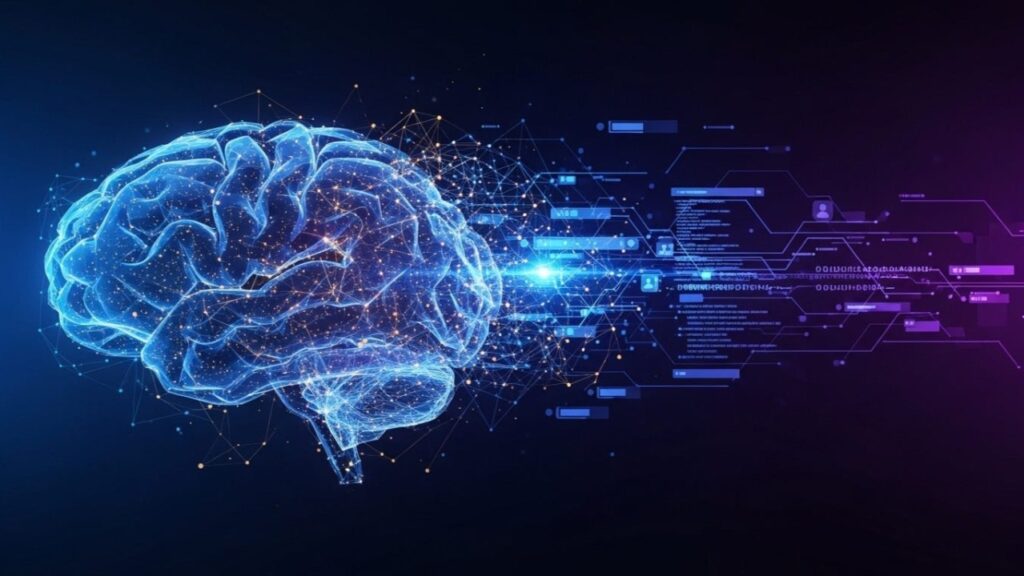
The Internet Is Changing Faster Than Ever For more than two decades, the internet has operated on a simple principle: users search for information, discover websites, and visit publishers that provide answers. That model is now undergoing one of the biggest transformations in digital history. At its recent developer conference, Google unveiled a new generation of AI-powered search experiences, including AI Mode, conversational search capabilities, and intelligent agents designed to perform web tasks on behalf of users. The company described the development as the most significant evolution of Search in over 25 years. While these innovations promise greater convenience for users, they are also raising important questions about the future of websites, digital publishing, and the open internet. The Rise of AI-Powered Search Artificial Intelligence is rapidly becoming the foundation of modern search engines. Instead of presenting a list of links, AI systems increasingly provide direct answers, summaries, recommendations, and conversational responses. Users can now receive information instantly without opening multiple web pages. This shift improves efficiency and enhances user experience. However, it also changes the relationship between search engines and content creators. Google’s AI-driven search model aims to keep users engaged within its ecosystem by delivering answers directly on search result pages. As a result, fewer people may feel the need to visit external websites. What Are Zero-Click Searches? One of the most significant trends impacting digital publishers is the rise of “zero-click searches.” A zero-click search occurs when users receive the information they need directly from the search engine without clicking on a website. Industry reports suggest that approximately 60% of search queries now end without a website visit. In news-related searches, the percentage has reportedly increased even further following the expansion of AI-generated search summaries. For users, this creates a faster browsing experience. For publishers, however, it can significantly reduce website traffic and advertising revenue. Why Publishers Are Concerned For years, publishers, bloggers, media companies, and content creators have relied heavily on search traffic to reach audiences. Many digital businesses receive between 20% and 40% of their visitors from search engines. When fewer users click through to websites, publishers face declining page views, reduced engagement, and shrinking advertising income. Industry analysts estimate that AI-generated search summaries could reduce publisher traffic by as much as 20% to 60%, depending on the content category. Several major content platforms have already reported substantial declines in organic traffic as AI-powered search experiences continue expanding. The challenge is especially difficult for smaller publishers that lack diversified revenue streams and depend heavily on search visibility. Big Tech’s Growing Influence Over Information The debate surrounding AI search extends beyond traffic numbers. Technology giants increasingly control how information is discovered, distributed, and consumed online. With an overwhelming share of the global search market, Google plays a central role in determining which content reaches users. Critics argue that AI-powered search could further concentrate influence within large technology platforms by reducing direct interaction between users and independent websites. This concern has fueled broader discussions about digital competition, platform power, algorithm transparency, and the future of the open web. Legal and Regulatory Scrutiny Is Increasing As AI transforms online experiences, regulators and publishers are paying closer attention to the market dominance of major technology companies. Concerns surrounding antitrust issues, digital advertising control, content usage, and market competition have intensified in recent years. Several media organizations have challenged the growing influence of large technology platforms, arguing that content creators deserve fair value when their work contributes to AI-generated responses and search experiences. At the same time, governments worldwide continue exploring regulatory frameworks designed to balance innovation with fair competition. The Creator Economy Faces a New Reality One of the biggest questions facing the internet is how content creators will sustain their businesses in an AI-driven ecosystem. Artificial Intelligence relies heavily on information created by: These contributors generate the content that powers search results, AI summaries, and knowledge systems. However, if publishers lose significant traffic and revenue, fewer organizations may have the resources to create high-quality content in the future. This creates a potential challenge for the entire digital ecosystem. Without a healthy creator economy, the information pipeline that fuels AI systems could weaken over time. What This Means for Businesses and Startups For startups, entrepreneurs, and digital businesses in Pakistan, the AI search revolution presents both opportunities and risks. Companies must adapt their digital strategies by focusing on: Search engine optimization is evolving rapidly, and businesses that embrace new content discovery models will be better positioned to thrive. The Future of the Internet Is Being Rewritten The internet is entering a new era shaped by Artificial Intelligence, automation, and intelligent search systems. While these innovations make information more accessible, they also challenge the traditional ecosystem that supported publishers, creators, and independent websites for decades. The future will likely depend on finding a sustainable balance between AI innovation and content creation. As technology continues to evolve, businesses, publishers, and users alike will play a role in defining what the next generation of the internet looks like. One thing is certain: the web of tomorrow will look very different from the internet that transformed the world over the last 25 years. The source of this news is TechinPakistan.

lukmen-alkira
Startup's

Pakistani Founders Score Another Global Win as Alkira Secures $475 Million Acquisition by Lumen

Silicon Valley Success Story With Pakistani Roots Pakistan’s entrepreneurial talent has earned another major international recognition as Lumen Technologies announced its acquisition of cloud networking startup Alkira in a deal valued at $475 million. The acquisition represents a significant milestone for Alkira, a company founded in 2018 by Pakistani-origin brothers Amir Khan and Atif Khan. It also highlights the growing impact of Pakistani entrepreneurs in the global technology and cloud computing industry. As artificial intelligence, cloud infrastructure, and enterprise networking continue to evolve, the deal places Alkira at the center of one of the fastest-growing technology sectors worldwide. From Pakistan to Silicon Valley Amir Khan and Atif Khan are no strangers to building successful technology companies. Before launching Alkira, the brothers founded Viptela, a software-defined networking startup that was later acquired by Cisco in a deal reportedly worth around $610 million. Amir Khan spent part of his early life in Lahore before moving to the United States, where he pursued a career in computer engineering and enterprise networking. Their latest success further strengthens the reputation of Pakistani founders making a global impact in advanced technology markets. Why Lumen Is Acquiring Alkira The acquisition is closely linked to Lumen’s long-term cloud and AI growth strategy. As businesses increasingly operate across multiple cloud environments, managing networking infrastructure has become more complex. Organizations often use services from several cloud providers simultaneously, creating challenges related to connectivity, performance, security, and management. Alkira addresses these issues through its cloud networking platform, which enables businesses to manage hybrid and multi-cloud environments through a centralized control layer. This approach simplifies operations while improving scalability and efficiency for enterprises handling large digital workloads. Cloud Networking Becomes Critical in the AI Era The rise of Artificial Intelligence is dramatically increasing demand for advanced cloud networking solutions. AI applications require massive amounts of data processing, cloud connectivity, and real-time communication between systems. As organizations expand their AI capabilities, the need for flexible and programmable networking infrastructure continues to grow. According to Lumen, integrating Alkira’s software platform will strengthen cloud-to-cloud connectivity while helping businesses manage increasingly sophisticated digital environments. The acquisition also aligns with broader industry trends where cloud computing, AI infrastructure, automation, and enterprise software are becoming deeply interconnected. Expanding Global Reach Without Heavy Infrastructure Costs Another major advantage of the deal is global scalability. Alkira’s architecture allows networking services to operate through a wide ecosystem of cloud and infrastructure partners. This enables companies to expand internationally without the need to build extensive networking assets in every market. For Lumen, this strategy could accelerate growth while improving operational efficiency. The company believes the integration may also reduce future infrastructure spending significantly. Executives have indicated that annual capital expenditures could decline by approximately $100 million to $200 million once the integration process is completed. A Bigger Market Opportunity Ahead The acquisition substantially expands Lumen’s presence in the rapidly growing cloud networking market. According to company estimates, the combined opportunity could increase its addressable market to nearly $70 billion. Demand for cloud services, AI-driven applications, enterprise networking, cybersecurity, and digital transformation solutions continues to surge across industries worldwide. As organizations modernize their technology stacks, cloud-native networking platforms like Alkira are becoming increasingly valuable. What This Means for Pakistan’s Startup Ecosystem For Pakistan’s technology and startup community, Alkira’s acquisition sends a powerful message. It demonstrates that founders with Pakistani roots are not only building innovative companies but are also creating solutions that attract major global corporations. Success stories like Alkira reinforce the potential of Pakistani entrepreneurs to compete in highly specialized sectors such as cloud infrastructure, enterprise software, and artificial intelligence. The deal also serves as inspiration for emerging founders looking to build globally scalable technology products rather than focusing solely on local markets. A Landmark Achievement for Pakistani Innovation While regulatory approvals are still required before the transaction is finalized, Lumen expects the acquisition to close during the third quarter of 2026. For Alkira, the agreement marks another remarkable chapter in a journey built on innovation, technical expertise, and global ambition. For Pakistan’s startup ecosystem, it is yet another reminder that world-class technology companies can emerge from founders with roots in the country. As AI, cloud computing, and enterprise networking continue reshaping the digital economy, Pakistani entrepreneurs are increasingly proving they have a place on the global technology stage. The source of this news is TechinPakistan.

Scroll to Top