Business

Alibaba-Backed-KOKO-Tech-to-Launch-Buy-Now-Pay-Later-Services-in-Pakistan-ceo-com-pk
Business

“Alibaba-Backed KOKO Tech Launches BNPL in Pakistan: SECP Approval Signals Fintech Boom”

پاکستان کے فِن ٹیک سیکٹر میں ایک بڑی پیش رفت سامنے آئی ہے۔ Securities and Exchange Commission of Pakistan (SECP) نے KOKO Tech Pakistan کو Buy Now Pay Later (BNPL) سروسز شروع کرنے کے لیے لائسنس جاری کر دیا ہے۔ یہ کمپنی عالمی ٹیک جائنٹ Alibaba Group کی حمایت یافتہ ہے، جو پاکستان میں ڈیجیٹل فنانس کے مستقبل کو نئی سمت دے سکتی ہے۔ What Is BNPL and Why It Matters in Pakistan? Buy Now Pay Later (BNPL) is a rapidly growing digital lending model that allows consumers to purchase products instantly and pay later in installments. In Pakistan’s context, BNPL offers: With limited access to formal credit, BNPL can bridge the gap between consumers and financial services. AI-Powered Credit Assessment: A Game Changer KOKO Tech Pakistan plans to introduce AI-driven credit scoring systems in Pakistan. This means: The integration of artificial intelligence, machine learning, and data analytics will modernize Pakistan’s financial ecosystem. Boost for SMEs, Freelancers & Startups پاکستان میں SMEs اور فری لانسرز کو اکثر فنانسنگ تک رسائی میں مشکلات پیش آتی ہیں۔ BNPL سروسز اس خلا کو پر کر سکتی ہیں۔ Key benefits include: This aligns with Pakistan’s broader push toward a digital and inclusive economy. E-Commerce Growth Set to Accelerate With backing from Alibaba Group, the entry of BNPL services is expected to boost Pakistan’s e-commerce sector. Impact areas: This could position Pakistan as a regional e-commerce and fintech hub. Foreign Investment & Market Confidence According to Securities and Exchange Commission of Pakistan, this move represents a direct inflow of foreign investment into Pakistan’s financial sector. Dr Kabir Ahmed Sidhu highlighted that: This reflects growing confidence in Pakistan’s regulatory framework and digital adoption. What’s Next for Pakistan’s Fintech Ecosystem? The launch of BNPL services is just the beginning. مستقبل میں ہم دیکھ سکتے ہیں: These trends will strengthen Pakistan’s position in the global digital economy. Final Takeaway KOKO Tech Pakistan’s entry marks a major milestone for Pakistan’s fintech industry. Backed by Alibaba Group and powered by AI, BNPL services are set to transform how consumers access credit. For startups, SMEs, and digital businesses, this opens the door to scalable growth, financial inclusion, and innovation. The source of this news is Techlist. Stay updated with the latest insights on Pakistan’s tech, startup, and fintech ecosystem at www.ceo.com.pk.

chegg-ceo-com-pk
Business

“AI Shockwave Hits EdTech: Chegg Loses 99% Value as ChatGPT Disrupts Homework Help Industry”

The global edtech landscape is witnessing a dramatic shift, and Chegg has become its most striking example. Once valued at nearly $14.7 billion, the company’s market capitalization has plunged to around $115 million by April 2026—a staggering 99% decline. This rapid سقوط isn’t just a business story. It’s a clear signal of how artificial intelligence (AI), generative tools, and changing user behavior are reshaping entire industries, including education technology in Pakistan and beyond. From Startup to EdTech Giant: The Chegg Story Founded in 2005 by Osman Rashid and Aayush Phumbhra, Chegg started as a textbook rental platform. The idea was simple: make expensive college books more affordable. Over time, it evolved into a subscription-based homework help platform, offering: At its peak, millions of students paid around $19.95 monthly for access—making Chegg a dominant player in the online education market. The Turning Point: ChatGPT Changes Everything The launch of ChatGPT in November 2022 disrupted Chegg’s core business model. Students quickly shifted from: With AI tools offering real-time explanations, personalized learning, and zero cost, the need for structured paid solutions declined sharply. By 2023, Chegg reported a surge in AI usage among students. Soon after, its stock dropped nearly 48% in a single day, wiping out billions in value. Subscriber Drop & Revenue Decline The impact was immediate and measurable: Compared to its $776 million peak in 2021, the gap continues to widen. This reflects a broader trend: AI is replacing repetitive knowledge-based services at scale. Search Traffic Collapse: Google AI Adds Pressure The disruption didn’t stop with ChatGPT. Google introduced AI-generated summaries in search results, further reducing traffic to third-party platforms like Chegg. As a result: This shift highlights how search behavior, content consumption, and user journeys are evolving in the AI era. Layoffs, Cost Cuts & Survival Mode Facing declining revenue, Chegg initiated major restructuring: The company also streamlined operations to reduce losses and stabilize cash flow. A Pakistani-Origin Founder Behind the Rise Osman Rashid, born in London and raised in Islamabad, played a pivotal role in building Chegg’s early success. After leaving in 2010, he launched new ventures, including: His journey reflects the global impact of Pakistani entrepreneurs in tech and startups. Why Chegg’s Business Model Failed At its core, Chegg relied on paid access to structured answers. AI changed that equation. Key Disruptions: This eliminated Chegg’s pricing power and user retention advantage, making its subscription model less relevant. Chegg’s Pivot: Entering the $40B Skilling Market Chegg is now attempting a strategic shift toward professional learning and workforce development through its “Chegg Skilling” initiative. The focus is on: This move targets a $40 billion global market, offering a potential path to recovery. What This Means for Pakistan’s Tech Ecosystem Chegg’s سقوط offers key lessons for Pakistani startups, CEOs, and tech founders: 1. AI Disruption Is Immediate Industries built on repetitive knowledge tasks are highly vulnerable. 2. Business Models Must Evolve Subscription-based content platforms need to integrate AI or risk becoming obsolete. 3. Product Innovation Beats Services Scalable, AI-driven products offer stronger long-term growth than traditional outsourcing. Final Takeaway: A Wake-Up Call for the Digital Economy The decline of Chegg is not just about one company—it’s about a fundamental shift in how knowledge is created, accessed, and monetized. For Pakistan’s growing tech sector, this moment is critical. The rise of AI, machine learning, and digital platforms presents both risk and opportunity. The question is no longer whether AI will disrupt industries—it’s how fast businesses can adapt. The source of this news is TechinPakistan. Stay ahead with cutting-edge insights on AI, startups, and Pakistan’s digital economy at www.ceo.com.pk.

it-ministry-announces-major-ai-workforce-training-and-infrastructure-push-ceo-com
Business

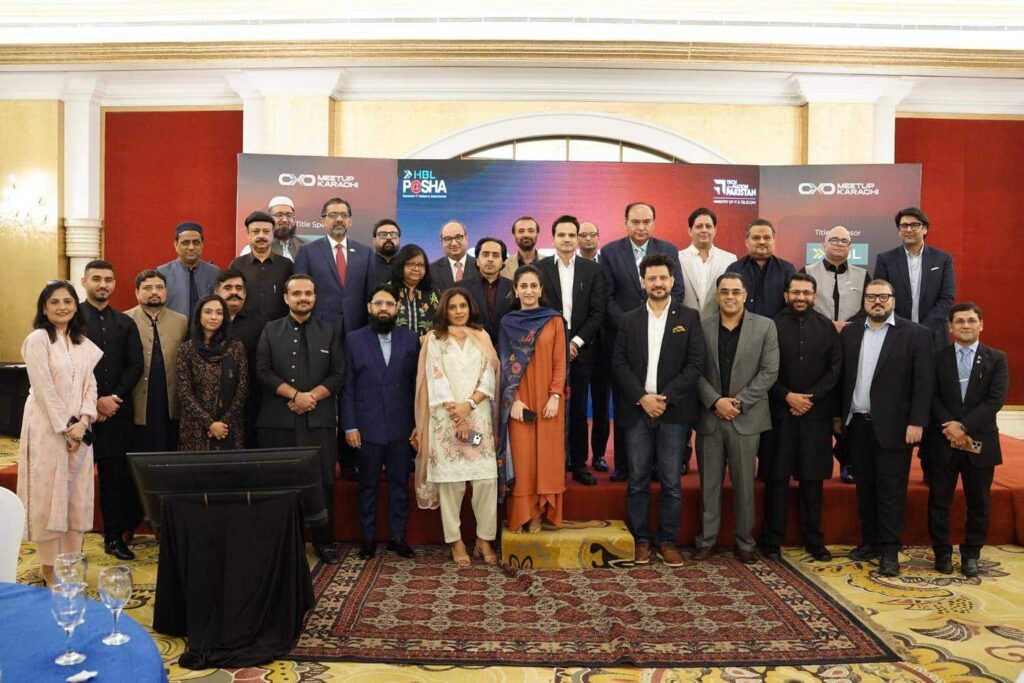
“Pakistan Targets $15B Tech Exports: 1 Million AI Workforce Plan Unveiled at Paklaunch UNconference 2026”

Pakistan’s tech ecosystem is entering a defining phase. At the Paklaunch UNconference 2026, the government revealed an ambitious roadmap: train one million people in artificial intelligence (AI) and push IT exports to $15 billion. Unlike traditional conferences, this event focused on real conversations—bringing founders, investors, and policymakers to the same table. The announcement signals a shift toward AI-driven growth, digital exports, and startup scalability in Pakistan. Policy Direction: From Vision to Execution Federal Minister Shaza Fatima Khawaja outlined the government’s approach with clarity. Instead of generic promises, she highlighted specific gaps, realistic targets, and ongoing reforms. The strategy revolves around three pillars: This structured direction aligns with global trends in digital transformation, machine learning adoption, and knowledge economies. The Core Challenge: Lack of Computing Power A major bottleneck discussed at the event was Pakistan’s limited computing infrastructure. Currently, most startups depend on foreign cloud platforms for: While this works, it creates challenges like high costs, limited control, and slower innovation cycles. The government plans to address this by: Without this foundation, even the best AI talent cannot scale effectively. This makes infrastructure a critical enabler of Pakistan’s AI ecosystem. 1 Million AI Workforce: Opportunity vs Execution The headline goal—training one million AI professionals—is bold and attention-grabbing. Pakistan already has: However, scaling talent comes with risks. Key Concerns: To succeed, the plan must include: Without this, the initiative risks becoming a numbers game rather than a skill revolution. $15 Billion IT Export Target: A Bold Leap Pakistan’s current IT exports stand at approximately $3.8 billion. The new target of $15 billion reflects a major strategic shift. But growth won’t come from outsourcing alone. Future Growth Drivers: This transition from service-based to product-based economy is essential for long-term success in the global tech market. Regulatory Hurdles: A Barrier to Growth Policy challenges remain a key concern for IT exporters. The government is working with the State Bank of Pakistan and Special Investment Facilitation Council to improve regulations. One major focus is revising Form M, a compliance requirement affecting international payments. Current Issues: Resolving these bottlenecks can significantly improve: Paklaunch: Bridging Startups & Global Capital Paklaunch continues to play a crucial role in connecting Pakistani founders with international investors, especially the diaspora. The UNconference format emphasized: While deals may not happen instantly, this model strengthens Pakistan’s startup funding ecosystem. Global Competition: The Pressure Is Real Pakistan is not alone in the AI race. Countries like: are rapidly expanding their tech exports and AI capabilities. To stay competitive, Pakistan must focus on: Final Takeaway: A Promising but Challenging Road Ahead The announcements at the Paklaunch UNconference 2026 reflect a clear shift toward AI, digital exports, and innovation-led growth. However, success depends on execution: If implemented effectively, Pakistan can strengthen its position in the global AI and tech economy—not overnight, but steadily. The Source of this news is TechinPakistan. For startups, CEOs, and tech leaders, this is a moment to watch closely. Stay ahead with the latest insights on Pakistan’s tech, startup, and digital economy trends at www.ceo.com.pk.

Pakistan-crypto
Business

“Pakistan Moves Toward Legal Crypto Trading: Regulated Exchanges Could Transform the Digital Economy”

Pakistan is taking a significant step toward the future of finance as discussions around regulated cryptocurrency trading gain momentum. In a major development, policymakers and industry leaders are exploring a framework that could soon allow licensed exchange companies to offer legal crypto trading services in Pakistan. This move signals a shift from informal activity to a structured, regulated digital asset ecosystem, aligning Pakistan with global fintech trends. High-Level Meetings Signal Policy Shift The momentum began when the Exchange Companies Association of Pakistan held key discussions with Bilal Azhar Kayani in Islamabad. The ECAP delegation, led by Chairman Malik Bostan and Secretary General Zafar Paracha, presented a roadmap to integrate crypto trading into Pakistan’s formal financial system. They also engaged with Bilal Bin Saqib, highlighting a collaborative approach between government and industry stakeholders. Crypto Council’s Role in Policy Development The involvement of the Crypto Council of Pakistan reflects growing institutional support for blockchain technology and cryptocurrency regulation. According to discussions, the council is actively working with authorities to ensure: This collaboration strengthens Pakistan’s position in the global digital finance landscape. Proposal: Dedicated Crypto Trading Windows One of the most practical proposals under consideration is the introduction of dedicated crypto trading windows within existing exchange companies. This model would: Such a system could act as a bridge between traditional finance and emerging fintech solutions in Pakistan. Pakistan’s Crypto Market Is Already Massive Despite the absence of formal regulation, Pakistan’s crypto adoption is already impressive. Zafar Paracha revealed that: These numbers highlight a strong demand for secure and regulated crypto platforms, making policy intervention both timely and necessary. Economic Impact: A Game-Changer for Pakistan Legalizing crypto trading could unlock major economic benefits. Exchange companies currently contribute around $12 billion annually in foreign exchange inflows through remittances and services. With regulated crypto trading: Malik Bostan emphasized that industry stakeholders are ready to support implementation, while Bilal Bin Saqib has assured full cooperation. A Step Toward Financial Innovation These developments reflect growing coordination between regulators, policymakers, and private sector leaders. The focus is clear: build a regulated, transparent, and scalable crypto ecosystem in Pakistan. Key benefits include: What’s Next for Crypto in Pakistan? While the proposal is still under review, it marks a crucial shift in Pakistan’s financial strategy. If approved, it could position the country as a regional leader in cryptocurrency adoption and fintech innovation. For startups, investors, and tech entrepreneurs, this is a signal to watch closely. The future of crypto regulation in Pakistan may redefine how digital assets are traded, taxed, and integrated into the economy. Final Thoughts Pakistan’s move toward regulated crypto trading channels is more than a policy discussion—it’s a transformation of the financial ecosystem. With strong demand, institutional backing, and clear economic incentives, the country is on the brink of a digital finance revolution. The source of this news is TechinPakistan. Stay updated with the latest insights on tech, startups, and digital economy trends at www.ceo.com.pk.
pm-youth-loan
Breaking News Pakistan, Business

PM Youth Loan Scheme 2026: Get Up to Rs. 7.5 Million & Turn Your Startup Idea Into Reality

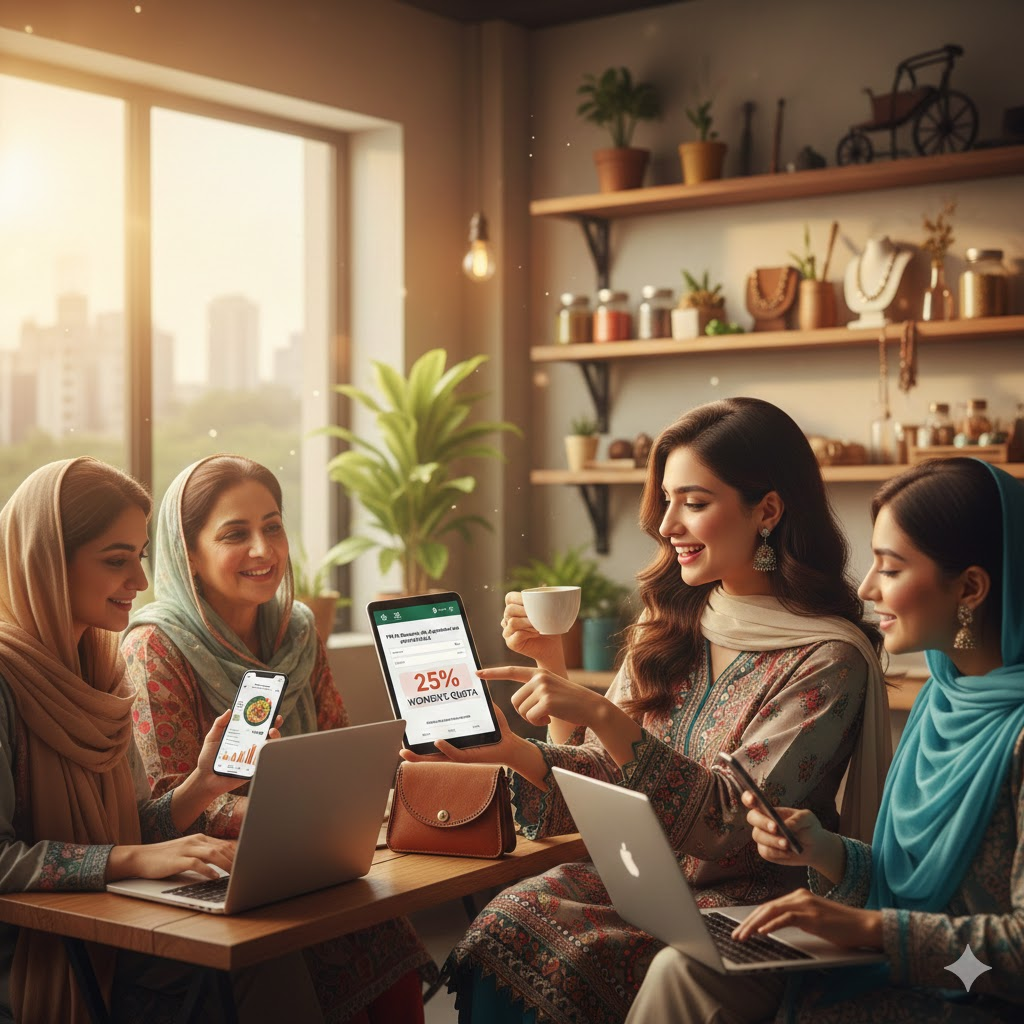
Pakistan’s aspiring entrepreneurs—especially women—now have a powerful opportunity to turn ideas into income. The Prime Minister’s Youth Business & Agriculture Loan Scheme (PMYB&ALS) is offering funding of up to Rs. 7.5 million, with a dedicated 25% quota for women. If you’ve been waiting for the “right time” to start your business, this is it. 🚀 Why This Scheme Is a Game-Changer Access to capital has long been the biggest barrier for startups in Pakistan. From home-based businesses to small-scale farms, many entrepreneurs struggle to scale due to lack of funding. This scheme changes that by offering: 👉 It’s not just a loan—it’s a launchpad for micro to macro business growth. 👩‍💼 Who Can Apply? (Female Entrepreneurs & Beyond) You don’t need a big office or registered company to qualify. The scheme is designed for everyday Pakistanis with ambition. You qualify if you are: 🌱 The Dreamer Have a business idea and want to start from scratch. 📈 The Scaler Already running a small business (boutique, tuition center, salon) and need funds to expand. 💻 The Digital Entrepreneur Freelancers, e-commerce sellers, and IT professionals. 🌾 The Agri-Founder Working in livestock, dairy, poultry, or crop farming. 👉 Women entrepreneurs get priority access under the 25% reserved quota. ✅ Eligibility Criteria (Simple & Accessible) To apply, you must: No advanced degrees or corporate experience needed—just a solid idea and commitment. 💰 Loan Tiers Explained (How Much Can You Get?) The scheme offers three flexible tiers: 🟢 Tier 1 – Interest-Free Start 👉 Perfect for beginners and micro-startups. 🔵 Tier 2 – Growth Stage 👉 Ideal for scaling existing businesses. 🔴 Tier 3 – Expansion Mode 👉 Best for larger ventures and serious expansion. 🌟 Key Benefits You Shouldn’t Miss 👩 25% Women Quota A dedicated share ensures women entrepreneurs get priority approvals. 💸 Interest-Free Option Start your business with zero markup under Tier 1. ⏳ Grace Period Up to 1 year to stabilize your business before full repayments. 📆 Long Repayment Tenure Flexible repayment period of up to 8 years. 👉 These features reduce financial pressure and increase startup survival chances. 🖥️ How to Apply (100% Online Process) No need to visit banks—the process is fully digital. Step-by-Step Guide: 👉 Simple, transparent, and accessible from anywhere in Pakistan. 📊 Why This Matters for Pakistan’s Startup Ecosystem Pakistan’s economy is shifting toward entrepreneurship and digital innovation. With rising inflation and limited job opportunities, schemes like PMYB&ALS empower individuals to: For women, this initiative is especially powerful—unlocking financial independence and leadership opportunities. 🧠 Final Thoughts The PM Youth Loan Scheme is more than financial support—it’s a national push toward entrepreneurship, innovation, and economic empowerment. The source of this news is Startup. For readers of CEO.com.pk, the message is clear: 👉 You don’t need millions to start—you need the right opportunity.👉 You don’t need connections—you need action. Apply today, build your business, and be part of Pakistan’s next startup success story.

maria-b-ceo-pakistan
Business, News

MARIA.B Makes History with Landmark Entry into Bangladesh Market

Pakistan’s leading fashion powerhouse MARIA.B has achieved a remarkable milestone by becoming the first Pakistani fashion brand to launch an official store in Bangladesh. The opening of its flagship outlet at Center Point Mall, Dhaka represents a major step in the company’s global expansion strategy and strengthens business and cultural connections between the two South Asian nations. A Strategic Move for Regional Business Growth The entry into Bangladesh reflects MARIA.B’s vision to transform from a national label into a strong international brand. Bangladesh is one of the fastest-growing consumer markets in the region with a vibrant fashion industry and a large youth population. By establishing a physical presence in Dhaka, the brand aims to capture new customers, create cross-border partnerships, and position itself as a leading South Asian lifestyle name. Maria Butt Shares Vision at Launch Ceremony At the grand inauguration, Maria Butt, founder and CEO of MARIA.B, expressed her excitement about the expansion. She stated that opening a store in Bangladesh had always been a heartfelt dream due to the immense love the brand has received from Bangladeshi customers over the years. According to her, the warm response in just the first two days made the team feel at home, highlighting the shared traditions, fashion sensibilities, and cultural values of both countries. Premium Product Range for Bangladeshi Consumers The Dhaka flagship store presents a complete portfolio of MARIA.B collections. Customers can explore Unstitched Designer Wear, Luxury Pret, Formal Couture, MBasics, signature perfumes, and handcrafted jewelry. The outlet is designed to deliver a premium retail experience similar to Pakistan’s top fashion destinations, ensuring high quality fabrics, modern designs, and excellent customer service. Boost for Pakistan–Bangladesh Trade Relations Industry experts believe this development will encourage other Pakistani businesses and startups to explore the Bangladeshi market. Fashion and retail are powerful soft-diplomacy tools, and MARIA.B’s presence can open doors for collaborations in textiles, e-commerce, and creative industries. The move also supports Pakistan’s export-oriented business ecosystem and strengthens the image of Pakistani entrepreneurship abroad. A New Chapter for South Asian Fashion With this historic debut, MARIA.B sets an example for Pakistani CEOs and startups aiming for international scalability. The brand’s success story proves that innovation, strong branding, and understanding of regional markets can help local companies compete globally. More expansion plans across Asia and the Middle East are expected in the near future.

Sir-Anwar_pervaiz-pakistan
Business, News

Sir Anwar Pervez – The Visionary Founder of Bestway Group

Sir Anwar Pervez stands among the most influential Pakistani-born business leaders in the world. From a humble childhood in rural Punjab to building one of the UK’s largest business empires, his journey is a remarkable example of determination, hard work, and entrepreneurial foresight. From Punjab to the UK – A Journey of Resilience Born on March 15, 1935, in a small village in Punjab, Sir Anwar Pervez grew up with limited resources but limitless ambition. In 1956, he migrated to the United Kingdom in search of better opportunities. His early years were far from glamorous—he worked long hours in a Bradford bakery before securing a job at an accounting firm in London. These experiences shaped his discipline and taught him the value of financial management, eventually fueling his desire to start his own business. The Beginning of Bestway – A Small Shop to a Giant Empire Sir Anwar’s entrepreneurial journey began in 1963 when he opened a small convenience store in Earls Court, London. This modest shop laid the foundation of what would eventually become the Bestway Group. In 1976, he launched Bestway Cash & Carry, marking a turning point in his career. What started as a single warehouse transformed into one of the UK’s largest cash-and-carry chains, with more than 60 stores nationwide. Over time, the Bestway Group expanded into multiple sectors, including: Today, Bestway stands tall as a multi-billion-pound conglomerate and one of the most successful businesses founded by a British-Pakistani entrepreneur. Honors, Recognition & A Legacy of Excellence Sir Anwar Pervez’s contributions to business and society have earned him widespread respect. In 1992, he received the Order of the British Empire (OBE), and in 1999, he was knighted for his exceptional contributions to UK industry. His company later earned the Queen’s Award for Enterprise in 2013 for excellence in international trade. A Philanthropist at Heart Beyond business, Sir Anwar is deeply committed to humanitarian work. Through the Bestway Foundation, he has supported education, healthcare, disaster relief, and community development in both Pakistan and the UK. His philanthropic footprint continues to grow, helping thousands of people every year. Despite his success, Sir Anwar Pervez remains a private, humble individual—letting his achievements and impact speak for him.

Mian-Amir-Mehmood-Pakistan
Business, News

Mian Amer Mahmood – The Visionary Behind Pakistan’s Largest Education Empire

Mian Amer Mahmood stands among Pakistan’s most influential business leaders, known for reshaping the country’s private education sector and building a diversified business portfolio. With ventures spanning education, media, distribution, and philanthropy, his journey reflects ambition, innovation, and long-term national impact. A Self-Made Leader Who Transformed Education Born in Lahore in 1960, Mian Amer Mahmood began his career with a mission to make quality education accessible. After completing his MBA from Punjab University, he chose entrepreneurship over corporate roles, stepping directly into Pakistan’s underserved education sector. In 1985, he launched the Punjab College of Commerce, a modest initiative that eventually grew into the Punjab Group of Colleges (PGC)—now the largest private education network in Pakistan. Over the years, he expanded into specialized fields by establishing institutions like Punjab Law College, Punjab College of Business Administration, and Punjab Institute of Computer Science. His vision culminated in major universities such as the University of Central Punjab, Capital University of Science & Technology, and Mohammad Ali Jinnah University. Today, these institutions collectively educate tens of thousands of students annually. Building a Multi-Sector Business Empire While education remains his core strength, Mian Amer Mahmood strategically diversified across multiple industries. His media venture, Dunya News, launched in 2008, rapidly became one of Pakistan’s leading current affairs channels. It expanded later into Roznama Dunya and Lahore News, strengthening his position in the media landscape. Beyond media, his portfolio involves distribution networks under the Mian Group of Companies, bakery chains like DOCE, and export operations including Himalayan salt products. These ventures—combined with decades of educational leadership—contribute to his growing financial influence. Net Worth and Influence in 2025 Analysts estimate that Mian Amer Mahmood’s total net worth in 2025 stands at approximately Rs. 2 billion, built through sustainable business growth rather than inherited wealth. While he may not fall among Pakistan’s top billionaires, his self-made success story sets him apart as a transformative figure. His contributions to education earned him Pakistan’s prestigious Hilal-e-Imtiaz award, recognizing his national impact on youth development and academic accessibility. A Legacy Extending Beyond Business Despite criticism and challenges over the years, Mian Amer Mahmood’s philanthropic initiatives—especially scholarships and support for underprivileged students—highlight his commitment to social upliftment. With his son now contributing to the family businesses, the legacy of the Mahmood family continues to expand across sectors. Conclusion From a single college in 1985 to a nationwide network shaping the lives of millions, Mian Amer Mahmood’s rise reflects strategic thinking, resilience, and vision. His influence on Pakistan’s education and media sectors makes him one of the country’s most impactful business leaders—and a powerful example of self-made success.

Scroll to Top