Startup’s

Defence-Tech-Startups-1
Startup's

Pakistan’s Defense Tech Startup Challenge: Can Local Innovators Break Through Regulatory and Funding Barriers?

Pakistan’s Defense Tech Startup Challenge: Can Local Innovators Break Through Regulatory and Funding Barriers? A New Wave of Defense Innovation Is Emerging in Pakistan For decades, Pakistan’s defense and aerospace sector operated largely behind closed doors, dominated by government institutions, military organizations, and established defense contractors. Startups rarely had a place in this highly specialized industry. That reality is slowly changing. A new generation of Pakistani entrepreneurs is entering the defense technology space, developing solutions powered by Artificial Intelligence (AI), drones, robotics, autonomous systems, aerospace software, and advanced mapping technologies. These innovators are exploring opportunities in agriculture, logistics, surveillance, disaster response, and smart mobility. However, despite growing interest and technical talent, major obstacles continue to limit the sector’s growth. Pakistan Already Has a Strong Defense Manufacturing Foundation Pakistan’s defense manufacturing ecosystem is not new. State-backed organizations have spent decades developing military technologies and aerospace capabilities. One of the most prominent players is Global Industrial & Defence Solutions (GIDS), which has built advanced unmanned aerial vehicle (UAV) platforms, surveillance systems, and defense technologies. The launch of the Shahpar drone series, including the latest Shahpar-III, demonstrates the country’s established expertise in aerospace engineering. Yet startups operate in a completely different environment. Unlike large institutions with government backing, smaller companies must navigate limited resources, funding shortages, and regulatory complexities while attempting to compete in highly technical markets. Why Drones Are Becoming a Startup Opportunity Drone technology is rapidly expanding beyond military applications. Modern UAVs are increasingly used for: As industries embrace automation and data-driven decision-making, drone-based solutions are becoming commercially attractive. This shift has created opportunities for Pakistani startups to develop specialized products tailored to local market needs. Private Companies Are Entering the Aerospace Market While public-sector organizations continue to dominate defense manufacturing, private companies are beginning to establish their presence. Firms such as Integrated Dynamics have demonstrated that locally developed UAV technologies can compete in niche markets. Their work in drone manufacturing, consultancy, and customized aerial solutions highlights the growing potential of Pakistan’s private aerospace sector. However, local companies face intense competition from international manufacturers. Chinese drone makers dominate affordable commercial markets, while companies from the United States, Turkey, and other global leaders continue to control high-end defense and aerospace segments. This leaves Pakistani startups competing in an increasingly challenging environment. NICAT Is Fueling Deep-Tech Entrepreneurship One of the most important developments for Pakistan’s aerospace startup ecosystem is the establishment of the National Incubation Center for Aerospace Technologies (NICAT). Operating under the National Aerospace Science and Technology Park (NASTP), NICAT focuses on supporting startups working in: The initiative provides mentorship, networking opportunities, industry exposure, and access to resources that are often difficult for early-stage startups to obtain independently. For deep-tech founders, this support can significantly improve survival and growth prospects. NEXERIN Shows the Potential of Local Innovation Among Pakistan’s emerging aerospace startups, NEXERIN has gained attention for developing AI-powered drone solutions. The company recently secured approximately $2 million in foreign investment, a noteworthy achievement in a sector that rarely attracts international funding. Its technology focuses on applications including: Rather than competing solely on price, startups like NEXERIN are emphasizing local customization, software integration, and ongoing support services to differentiate themselves from imported alternatives. Regulation Remains the Biggest Challenge Despite growing momentum, regulation continues to be one of the largest barriers facing defense and drone startups in Pakistan. Companies developing UAVs and autonomous technologies often require approvals from multiple government agencies and aviation authorities. Certification processes, testing permissions, and compliance requirements can take significant time. This creates uncertainty for founders and investors alike. When regulatory pathways remain unclear, startups struggle to forecast timelines, attract investment, and scale operations efficiently. For many entrepreneurs, navigating bureaucracy becomes almost as challenging as building the technology itself. Agriculture May Be the Industry That Accelerates Growth Interestingly, agriculture could become the gateway for Pakistan’s drone industry. Precision agriculture uses drones, AI, sensors, and satellite imagery to improve crop management, monitor soil conditions, optimize irrigation, and increase productivity. Given Pakistan’s large agricultural economy, drone-powered farming solutions offer substantial commercial potential. Several local companies are already helping farmers leverage aerial data to make smarter decisions and improve yields. This commercial adoption could provide startups with stable revenue streams before they expand into more advanced aerospace applications. Can Pakistan Become a Technology Producer Instead of a Buyer? One of the biggest questions facing Pakistan’s technology sector is whether the country can move beyond importing advanced technologies and begin producing them locally. The ingredients are slowly coming together: Yet challenges remain. Limited venture capital, infrastructure constraints, regulatory complexity, and restricted access to specialized testing facilities continue to slow progress. The Road Ahead for Pakistan’s Defense Tech Ecosystem Pakistan’s defense technology startup sector remains in its early stages, but the momentum is becoming increasingly difficult to ignore. As Artificial Intelligence, robotics, aerospace engineering, and drone technologies reshape industries worldwide, local entrepreneurs are beginning to explore opportunities that once seemed inaccessible. The future of Pakistan’s defense and aerospace innovation will depend on more than talent alone. Sustainable growth will require supportive regulations, increased investment, stronger public-private collaboration, and long-term commitment to research and development. If these foundations continue to improve, Pakistan could gradually transition from being a technology importer to becoming a creator of globally competitive defense and aerospace solutions. The source of this news is TechinPakistan.
lukmen-alkira
Startup's

Pakistani Founders Score Another Global Win as Alkira Secures $475 Million Acquisition by Lumen

Silicon Valley Success Story With Pakistani Roots Pakistan’s entrepreneurial talent has earned another major international recognition as Lumen Technologies announced its acquisition of cloud networking startup Alkira in a deal valued at $475 million. The acquisition represents a significant milestone for Alkira, a company founded in 2018 by Pakistani-origin brothers Amir Khan and Atif Khan. It also highlights the growing impact of Pakistani entrepreneurs in the global technology and cloud computing industry. As artificial intelligence, cloud infrastructure, and enterprise networking continue to evolve, the deal places Alkira at the center of one of the fastest-growing technology sectors worldwide. From Pakistan to Silicon Valley Amir Khan and Atif Khan are no strangers to building successful technology companies. Before launching Alkira, the brothers founded Viptela, a software-defined networking startup that was later acquired by Cisco in a deal reportedly worth around $610 million. Amir Khan spent part of his early life in Lahore before moving to the United States, where he pursued a career in computer engineering and enterprise networking. Their latest success further strengthens the reputation of Pakistani founders making a global impact in advanced technology markets. Why Lumen Is Acquiring Alkira The acquisition is closely linked to Lumen’s long-term cloud and AI growth strategy. As businesses increasingly operate across multiple cloud environments, managing networking infrastructure has become more complex. Organizations often use services from several cloud providers simultaneously, creating challenges related to connectivity, performance, security, and management. Alkira addresses these issues through its cloud networking platform, which enables businesses to manage hybrid and multi-cloud environments through a centralized control layer. This approach simplifies operations while improving scalability and efficiency for enterprises handling large digital workloads. Cloud Networking Becomes Critical in the AI Era The rise of Artificial Intelligence is dramatically increasing demand for advanced cloud networking solutions. AI applications require massive amounts of data processing, cloud connectivity, and real-time communication between systems. As organizations expand their AI capabilities, the need for flexible and programmable networking infrastructure continues to grow. According to Lumen, integrating Alkira’s software platform will strengthen cloud-to-cloud connectivity while helping businesses manage increasingly sophisticated digital environments. The acquisition also aligns with broader industry trends where cloud computing, AI infrastructure, automation, and enterprise software are becoming deeply interconnected. Expanding Global Reach Without Heavy Infrastructure Costs Another major advantage of the deal is global scalability. Alkira’s architecture allows networking services to operate through a wide ecosystem of cloud and infrastructure partners. This enables companies to expand internationally without the need to build extensive networking assets in every market. For Lumen, this strategy could accelerate growth while improving operational efficiency. The company believes the integration may also reduce future infrastructure spending significantly. Executives have indicated that annual capital expenditures could decline by approximately $100 million to $200 million once the integration process is completed. A Bigger Market Opportunity Ahead The acquisition substantially expands Lumen’s presence in the rapidly growing cloud networking market. According to company estimates, the combined opportunity could increase its addressable market to nearly $70 billion. Demand for cloud services, AI-driven applications, enterprise networking, cybersecurity, and digital transformation solutions continues to surge across industries worldwide. As organizations modernize their technology stacks, cloud-native networking platforms like Alkira are becoming increasingly valuable. What This Means for Pakistan’s Startup Ecosystem For Pakistan’s technology and startup community, Alkira’s acquisition sends a powerful message. It demonstrates that founders with Pakistani roots are not only building innovative companies but are also creating solutions that attract major global corporations. Success stories like Alkira reinforce the potential of Pakistani entrepreneurs to compete in highly specialized sectors such as cloud infrastructure, enterprise software, and artificial intelligence. The deal also serves as inspiration for emerging founders looking to build globally scalable technology products rather than focusing solely on local markets. A Landmark Achievement for Pakistani Innovation While regulatory approvals are still required before the transaction is finalized, Lumen expects the acquisition to close during the third quarter of 2026. For Alkira, the agreement marks another remarkable chapter in a journey built on innovation, technical expertise, and global ambition. For Pakistan’s startup ecosystem, it is yet another reminder that world-class technology companies can emerge from founders with roots in the country. As AI, cloud computing, and enterprise networking continue reshaping the digital economy, Pakistani entrepreneurs are increasingly proving they have a place on the global technology stage. The source of this news is TechinPakistan.

plug-and-play-1
Startup's

Pakistani AI Startup Blainy Enters Silicon Valley’s Plug and Play Accelerator, Marking a Major Milestone for Local Innovation

Blainy Puts Pakistan’s Startup Ecosystem in the Global Spotlight Pakistan’s startup ecosystem has achieved another encouraging milestone as Blainy, an AI-powered research and writing platform associated with NIC Lahore, has been selected for the prestigious Plug and Play Tech Center in Silicon Valley, United States. The achievement places Blainy among a select group of promising startups gaining access to one of the world’s most influential innovation networks. For Pakistan’s growing technology sector, the selection represents more than just startup recognition—it highlights the increasing global relevance of locally built technology solutions. What Is Blainy? Founded by Khalid B., Blainy operates in the rapidly expanding artificial intelligence and academic productivity space. The platform is designed to simplify research workflows for students, researchers, educators, and professionals. By combining AI-powered writing assistance, editing tools, document organization, and productivity features within a single platform, Blainy aims to reduce the time and effort required to manage complex research projects. As AI adoption accelerates worldwide, solutions focused on writing automation, academic research, and productivity enhancement are attracting growing attention from investors and technology leaders. Why Plug and Play Selection Matters Plug and Play Tech Center is widely recognized as one of Silicon Valley’s leading startup accelerator platforms. The organization works with innovative early-stage companies across sectors such as artificial intelligence, fintech, enterprise software, mobility, and emerging technologies. Startups selected for the program gain access to: For startups operating outside major global technology hubs, access to such networks can significantly accelerate growth and market expansion. A Win for Pakistan’s AI Startup Sector Blainy’s entry into a globally recognized accelerator reflects the growing maturity of Pakistan’s AI and technology ecosystem. Artificial Intelligence has become one of the fastest-growing sectors in the global technology industry. Startups developing solutions for content creation, automation, research assistance, machine learning, and workflow optimization are attracting increasing investment and user adoption. Blainy’s focus on research and writing productivity positions it within a market experiencing strong international demand as educational institutions, businesses, and professionals seek smarter digital solutions. Its selection demonstrates that Pakistani founders are increasingly building products capable of competing on a global stage. NIC Lahore’s Role in Startup Development The achievement also highlights the contribution of National Incubation Center Lahore in nurturing emerging technology ventures. Over the years, NIC Lahore has provided startups with: The incubation center has played an important role in strengthening Pakistan’s entrepreneurial ecosystem and helping founders transform innovative ideas into scalable businesses. Building a Stronger Innovation Ecosystem Pakistan’s startup landscape has benefited from collaboration between public institutions, private companies, academic organizations, and technology partners. Organizations such as Ministry of Information Technology and Telecommunication, Ignite National Technology Fund, Pakistan Software Export Board, and the Pakistan Startup Fund continue to support entrepreneurship, digital innovation, and technology commercialization. Industry partners including NETSOL Technologies, HBL, Beaconhouse National University, University of Engineering and Technology Lahore, and Daftarkhwan have also contributed to creating a supportive environment for emerging startups. Global Exposure Remains a Key Challenge Many experts within Pakistan’s startup community believe local founders possess the talent and technical capabilities to build world-class products. However, gaining international visibility, investment opportunities, and strategic partnerships often remains a significant hurdle. Programs like Plug and Play help bridge that gap by connecting startups with global investors, corporate leaders, and innovation ecosystems that may otherwise be difficult to access. This exposure can lead to stronger market validation, customer acquisition opportunities, and long-term business growth. What Comes Next for Blainy? Participation in the Plug and Play accelerator is expected to open new doors for Blainy as it explores product expansion, strategic collaborations, and international market opportunities. While a single accelerator selection may not transform an industry overnight, it serves as a powerful indicator that Pakistani startups are becoming increasingly visible within global technology circles. A Positive Signal for Pakistan’s Tech Future Blainy’s Silicon Valley selection sends an encouraging message about the future of innovation in Pakistan. As more startups focus on AI, software development, digital products, and global markets, the country’s technology sector continues to gain momentum. For aspiring founders, investors, and technology professionals, Blainy’s journey demonstrates that world-class opportunities are becoming more accessible to startups emerging from Pakistan. The road ahead remains challenging, but milestones like this prove that Pakistani innovation is steadily earning recognition on the international stage. The source of this news is TechinPakistan.

HS-1
Startup's

Beyond Startups and Skills: How Pakistan’s Youth Can Build the Next Trillion-Rupee Digital Economy

Pakistan Is Entering a New Economic Era Pakistan stands at a defining moment in its economic journey. The country is witnessing a powerful shift from traditional employment models toward a future driven by technology, entrepreneurship, digital skills, and innovation. What was once considered an alternative career path has now become a mainstream opportunity for millions of young Pakistanis. From freelancing and remote work to startup development and artificial intelligence, a new economic ecosystem is emerging. Initiatives such as “Startups of Tomorrow” by Hisham Sarwar and the Prime Minister’s “Skills of Tomorrow” program highlight a growing national focus on preparing youth for a digital-first future. The question now is no longer whether Pakistan can participate in the global digital economy. The real question is: What comes next after startups and skills? Pakistan’s Digital Economy Is Expanding Faster Than Ever Over the last decade, internet access, digital platforms, and online learning have transformed how Pakistanis work and earn. Young professionals are no longer limited to conventional career choices. Today, they can: This transformation has fueled the rapid growth of Pakistan’s digital economy. Platforms such as Upwork, Fiverr, LinkedIn, and global remote-job marketplaces have enabled talented individuals to connect directly with international opportunities. As a result, skills are increasingly becoming more valuable than geographical location. “Startups of Tomorrow” Is Creating a New Generation of Founders Entrepreneurship is becoming one of the strongest pillars of Pakistan’s economic future. Through the Startups of Tomorrow initiative, aspiring entrepreneurs are encouraged to transform innovative ideas into scalable businesses. Participants develop startup pitch decks and present their concepts to gain exposure, mentorship, and growth opportunities. The initiative promotes: Most importantly, it encourages Pakistanis to become job creators rather than job seekers. The country’s startup ecosystem has already produced promising ventures in fintech, e-commerce, healthtech, logistics, agritech, and edtech. These businesses are solving local challenges while building products capable of competing internationally. Skills of Tomorrow: Preparing Pakistan for the Future Workforce While startups create economic opportunities, skills create economic readiness. The Prime Minister’s Skills of Tomorrow initiative recognizes a critical global reality: employers increasingly prioritize practical expertise over traditional credentials. The modern workforce demands capabilities that can immediately contribute to business growth and innovation. Some of the most sought-after skills include: These competencies allow young Pakistanis to earn online, secure remote jobs, launch businesses, and access international markets without leaving their hometowns. In many cases, a highly skilled individual can now generate greater economic value than someone relying solely on a traditional degree. Why Skills Have Become the New Economic Currency The global economy is undergoing a massive transformation. Employers increasingly seek professionals who can adapt quickly, solve problems, communicate effectively, and leverage technology. Modern organizations prioritize: Countries investing heavily in workforce development are positioning themselves for long-term economic success. Pakistan has a unique advantage because more than half of its population consists of young people. If this demographic is equipped with future-ready skills, Pakistan can emerge as a leading supplier of global digital talent. Artificial Intelligence Could Become Pakistan’s Biggest Opportunity The next phase of digital transformation is being driven by Artificial Intelligence. AI is reshaping industries worldwide by automating repetitive tasks, improving decision-making, enhancing customer experiences, and increasing productivity. Businesses are already utilizing: Young Pakistanis are increasingly exploring: The growing interest in AI demonstrates that Pakistan’s workforce is willing to embrace emerging technologies. However, long-term success will require strategic investment in education, research, infrastructure, and technology training. The Rise of the Creator Economy Another major trend shaping Pakistan’s future is the creator economy. Content creators, educators, consultants, podcasters, and influencers are becoming independent digital entrepreneurs. Through platforms such as YouTube, LinkedIn, TikTok, Instagram, and subscription-based communities, creators can build sustainable businesses around their expertise. This shift is creating new income streams through: For many young Pakistanis, content creation is no longer a hobby—it is a legitimate business model. Pakistan’s Next Big Opportunity: Building Digital Products While freelancing has helped many Pakistanis access global markets, the next stage of growth may come from creating digital products. Instead of selling time, entrepreneurs can build: Digital products offer scalability, recurring revenue, and international market access. Countries that successfully transition from service providers to product creators often achieve stronger economic growth and higher global competitiveness. Challenges That Still Need Attention Despite encouraging progress, several barriers continue to slow Pakistan’s digital advancement. Outdated Educational Models Many institutions still emphasize theory over practical technology skills. Limited Awareness Students often lack guidance regarding freelancing, entrepreneurship, AI, and digital career pathways. Infrastructure Gaps Reliable internet connectivity remains inconsistent in various regions. Funding Constraints Many promising startups struggle to secure investment, mentorship, and business support. Cultural Resistance Some families continue to favor traditional career paths despite growing opportunities in technology and entrepreneurship. Addressing these challenges will be essential for sustaining long-term digital growth. What Could Come After Startups and Skills? Pakistan’s next economic chapter may be defined by five major movements: AI Entrepreneurship Businesses built around automation, machine learning, and intelligent solutions. Global Remote Workforce Pakistan becoming a leading hub for international remote talent. SaaS Innovation Locally developed software products serving global customers. Creator-Led Businesses Independent professionals building digital-first companies. Technology Education Platforms New learning ecosystems focused on future-ready skills and workforce development. Together, these sectors could significantly accelerate Pakistan’s digital economy over the coming decade. The Future Is Being Built Online The most exciting aspect of Pakistan’s transformation is accessibility. Today, a laptop, internet connection, and determination can unlock opportunities that were unimaginable just a few years ago. Young Pakistanis can: The future economy will not be built solely in factories or corporate offices. It will increasingly emerge through digital platforms, AI-powered tools, innovative startups, and globally competitive talent. Conclusion The transition from Startups of Tomorrow to Skills of Tomorrow represents more than two initiatives—it reflects a broader transformation reshaping Pakistan’s future. Entrepreneurship is encouraging innovation. Skills development is preparing the workforce. Artificial Intelligence is opening new possibilities. The creator economy is redefining careers. Together, these forces are laying the foundation for a knowledge-based

pak-x-japan
Startup's

“Pakistan–Japan Innovation Bridge: How Tech Startups Are Unlocking Global Growth Opportunities”

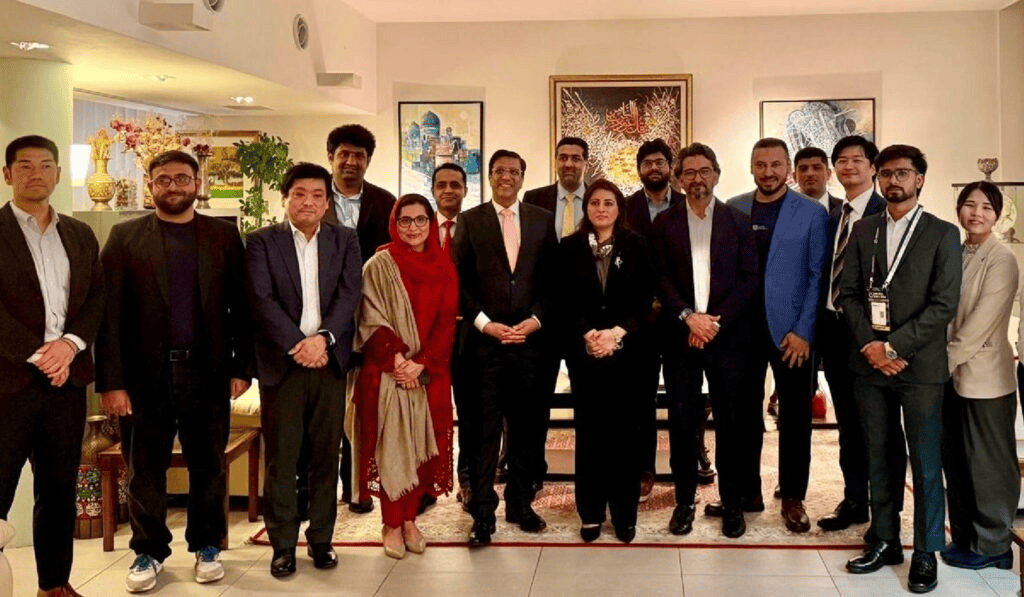
Pakistan and Japan are strengthening ties in the global tech ecosystem through a strategic Innovation Bridge initiative. The goal is clear: connect Pakistani startups with Japanese investors, enterprises, and innovation hubs to accelerate growth in high-demand sectors like AI, fintech, SaaS, and blockchain. This collaboration signals a new phase for Pakistan’s startup landscape—one focused on cross-border innovation, foreign investment, and scalable digital products. Tokyo Forum 2026: A Turning Point for Startup Collaboration The momentum gained traction at a high-level forum hosted by the Pakistan Embassy in Tokyo on April 30, 2026. The event brought together founders, policymakers, and investors under one roof to explore market entry strategies and startup partnerships. Key voices included: Industry leaders from Japan, including SMBC Nikko Securities, Shibuya Startup Support, and Toyota’s blockchain division, also participated. The discussion remained practical—focused on real partnerships, scalable business models, and long-term collaboration, rather than short-term hype. Pakistani Startups Pitch Real-World Solutions Five Pakistani startups showcased their innovations, each addressing practical business challenges: These startups highlighted Pakistan’s growing strength in AI-powered tools, enterprise SaaS, and digital transformation solutions—key areas of interest for Japanese firms. Why This Partnership Makes Strategic Sense The Pakistan–Japan collaboration is built on mutual value: For Pakistani Startups For Japanese Companies This balanced exchange supports sustainable startup growth and global expansion. Pakistan’s Tech Industry: Growth Backed by Talent Pakistan’s IT sector continues to show strong momentum: The country also ranked 16th in the Global Outsourcing Talent Index, reinforcing its position as a top emerging tech talent hub. Key strengths include: These factors make Pakistan an attractive destination for global tech partnerships and outsourcing. Japan’s Strategy: Innovation Amid Demographic Challenges Japan’s interest in international collaboration is driven by internal challenges: Through its Society 5.0 vision, Japan is investing in: Collaborating with countries like Pakistan helps Japanese firms accelerate innovation while managing costs and talent gaps. A Long-Term Approach: Build, Test, Scale Instead of rushing into large-scale investments, both countries are adopting a gradual, trust-based model. As highlighted by Abdul Hameed, successful partnerships—like those of Toyota, Honda, and Suzuki in Pakistan—followed a similar path: This approach reduces risk and builds long-term business trust. Future Outlook: A Promising Tech Corridor The Pakistan–Japan startup connection is still evolving, but the direction is promising. With strong alignment in: both countries are positioned to create a powerful cross-border tech corridor. Final Takeaway The Innovation Bridge initiative is more than a diplomatic effort—it’s a strategic move toward global startup integration, digital exports, and innovation-led growth. Pakistan brings talent, agility, and cost advantage, while Japan offers capital, structure, and market access. Together, they can build scalable solutions for global markets. For founders, investors, and tech leaders, this is a key moment to explore international collaboration opportunities. The source of this news is TechinPakistan. Stay updated with the latest insights on Pakistan’s startup ecosystem, tech innovation, and global partnerships at www.ceo.com.pk.

pakistan-startup-fund-ceo-com
News, Startup's

Pakistan Startup Fund & Indus AI Week 2026: The Ultimate Growth Blueprint for Founders Ready to Scale

Pakistan’s startup ecosystem is entering a defining phase. With equity-free funding and a nationwide push toward artificial intelligence, February 2026 is shaping up to be a turning point for founders aiming to scale fast, raise smart capital, and build globally competitive startups. If you’re a founder searching for startup funding in Pakistan, AI opportunities, or investor access, here’s your complete, actionable guide. 🚀 A Game-Changing Moment for Pakistan Startups The Ministry of IT & Telecommunication (MoITT) has moved beyond policy talk and into execution mode. The focus is clear: combine capital + capability to accelerate innovation. Two powerful initiatives are leading this transformation: Together, they create a rare opportunity for founders to secure funding, visibility, and scale—all at once. 💰 Pakistan Startup Fund (PSF): Free Capital Without Giving Equity The Pakistan Startup Fund (PSF) is not a traditional venture capital fund. Instead, it’s a non-dilutive funding mechanism designed to boost investor confidence and reduce startup risk. 🔍 How PSF Works (The “Last Cheque” Model) PSF steps in after you secure private investment: 👉 Example: If you raise 70% from investors, PSF can cover the remaining 30%—without taking equity. 🎯 Why This Matters for Founders 📊 High-Priority Sectors While PSF is open to all startups, key focus areas include: 🤖 Indus AI Week 2026: Pakistan’s Biggest AI Opportunity If PSF provides capital, Indus AI Week 2026 delivers exposure, connections, and momentum. This national event brings together: 🌟 Key Opportunities You Can’t Miss 🏢 Startup Pavilion (Feb 9–10) ✔ Best for: Startups with working products and demos 🤝 Investor Matchmaking Sessions 🧠 Uraan AI Techathon 1.0 👩‍💼 AI for Her Initiative 💼 Jobs & Talent Fair 📈 Winning Strategy: How Founders Should Act Now ✅ Step 1: Secure a Lead Investor Your strongest pitch line: “If you lead this round, the government will co-invest up to 30%—equity-free.” This instantly boosts investor confidence. ✅ Step 2: Apply for Pavilion & Techathon Focus on: 💡 Tip: Slide decks alone won’t win—execution will. ✅ Step 3: Build Visibility & Network 🔥 Why This Moment Is Different This isn’t just another startup event cycle. It’s a rare alignment of: For Pakistani founders, this means: 📊 Final Takeaway for Founders Pakistan’s startup ecosystem is evolving rapidly. The combination of PSF funding + Indus AI Week exposure creates a powerful launchpad for startups ready to scale. Ask Yourself: 🚀 The Bottom Line This is not just an opportunity—it’s a strategic window. Startups that act now will: Those who wait may miss one of the most impactful growth phases in Pakistan’s startup history. 👉 Stay connected with www.ceo.com.pk for the latest startup funding news, AI trends, and founder insights shaping Pakistan’s digital future.

future-jobs-ceo-com
News, Startup's

AI Isn’t Killing Jobs—It’s Rewriting Them: What Pakistan’s Startups Must Do Now

Generative AI is no longer a future concept—it’s already transforming how work gets done. A recent global study analyzing over 200,000 real user interactions with AI tools confirms a critical shift: jobs are not disappearing, they are being redesigned at the task level. For Pakistan’s workforce and startup ecosystem, this insight is not just important—it’s urgent. 🤖 The Real Impact of Generative AI on Jobs Forget the extreme narratives. AI is neither wiping out entire professions overnight nor magically creating endless jobs. Instead, it is reconfiguring work. 📊 What the Data Reveals 👉 This means jobs are being unbundled into smaller tasks: ⚠️ Pakistan’s Biggest Risk: Training for the Wrong Jobs Pakistan’s education and job pipeline is still focused on: These are exactly the roles AI is rapidly absorbing. Meanwhile, critical future skills are underdeveloped: 👉 This mismatch could leave thousands of young workers unemployable in the next decade. 🚀 New Job Categories Emerging in the AI Era Generative AI is not just replacing tasks—it’s creating entirely new roles. 🔑 High-Demand Roles 🧠 AI Prompt Engineers Experts who know how to extract accurate results from AI systems. ✅ AI Trainers & Verifiers Humans who refine, fact-check, and improve AI outputs. 💡 AI Startup Founders Entrepreneurs solving local problems using AI tools. 🤝 Human-Centric Professionals Teachers, counselors, healthcare workers—enhanced by AI, not replaced. 👉 The future belongs to those who combine human intelligence with AI efficiency. 🇵🇰 Why This Matters for Pakistan’s Startup Economy Pakistan is at a critical turning point. With: …the country has the potential to leapfrog into the AI economy. But only if startups act fast. 💡 Startup Opportunities in the AI Era ✍️ AI-Powered Content & Marketing Startups can build agencies that combine: 👉 Delivering scalable, cost-effective solutions for SMEs and exporters. 🎓 EdTech & AI Learning Platforms AI tutors can: 👉 A game-changer for Pakistan’s education gap. 🧾 AI Tools for SMEs Small businesses can benefit from: 👉 Massive opportunity in Pakistan’s SME-driven economy. 🏥 HealthTech Innovation AI assistants can: 👉 Reducing pressure on healthcare systems, especially in rural areas. 🌾 Agritech Solutions AI can help farmers with: 👉 Boosting productivity in a sector contributing nearly 20% to GDP. 🏛️ GovTech & Public Services AI chatbots can simplify: 👉 Improving digital governance and citizen experience. 📈 The Startup Advantage: Localization Wins The biggest opportunity is not reinventing AI—it’s localizing it. Winning startups will: 👉 Global ideas + local execution = massive impact. 🧠 Key Takeaways for Founders & Leaders 🔥 Final Word: Adapt or Fall Behind The AI revolution is already here. The question is no longer:👉 Will AI change jobs? It already has. The real question for Pakistan is:👉 Will we adapt fast enough to benefit from it? For readers of CEO.com.pk, the strategy is clear: Because in this new economy: 👉 Those who understand AI will lead. The source of this news is Startup. Those who ignore it will struggle to survive.

startup-pakistan-ceo-com
News, Startup's

Your Startup Isn’t Failing—It’s Invisible: The Silent Crisis Crushing Pakistan’s Founders

In a co-working space in Lahore, there’s a founder building something exceptional. The product works. Customers are satisfied. Metrics are improving. Yet, no one knows it exists. Not investors. Not enterprise clients. Not even fellow founders. This is Pakistan’s most overlooked startup problem: invisibility. And in today’s brutal funding climate, invisibility isn’t just a weakness—it’s a death sentence. 📉 Pakistan’s Startup Funding Collapse: The Harsh Reality Pakistan’s startup ecosystem has faced a dramatic سقوط (collapse) in funding over the past few years. That’s an 89.58% decline in funding. Even more alarming: This isn’t a slowdown—it’s a reset. And in this environment, only the visible startups survive. 🚫 The Biggest Myth: “Good Products Get Discovered” Many founders believe: “If the product is great, investors will find us.” This is dangerously wrong. Global research shows: The message is clear:👉 Your product is not the problem. Your visibility is. 🔍 What Investors Actually Do Before any pitch meeting, investors: If they find nothing, you don’t exist. Startups that raise funding successfully are often: In fact, research shows: 👉 Visibility directly impacts your valuation. 🌐 Pakistan’s Opportunity Is Massive—But Silent Despite funding challenges, Pakistan’s fundamentals are قوية (strong): The opportunity is enormous. But here’s the problem:👉 Too many founders are building in silence. 📈 Visibility Compounds Like Capital Visibility isn’t just marketing—it’s an asset. Every time your startup is: …it creates a permanent digital footprint. Over time, this builds: This is the compounding effect of visibility. Start early, and it multiplies.Delay it, and you lose months of growth you can’t recover. ⚠️ The Real Cost of Staying Invisible When your startup isn’t visible: According to global ecosystem research: And visibility is how you enter those networks. 🧠 Why Founders Ignore Visibility Many Pakistani founders—especially technical ones—see visibility as: But here’s the truth: 👉 Your product cannot speak for itself. It doesn’t pitch.It doesn’t market.It doesn’t introduce itself. You have to do that. ❓ The Question Every Founder Must Answer Ask yourself honestly: For most startups in Pakistan, the answer is no. And that’s not a product issue. It’s a visibility failure. 🚀 Final Insight: Visibility Is Survival Pakistan’s startup ecosystem still holds massive potential. The next wave of successful companies will emerge—but they won’t just be the ones with the best products. The source of this news is Startup. They will be the ones who: In today’s market:👉 Visibility is not marketing. It’s strategy.👉 Visibility is not optional. It’s survival. For readers of CEO.com.pk, the takeaway is simple: If your startup is invisible, it’s already losing. If it becomes visible, it has a real chance to win.

IT-minister-umar-saif-ceo-com-pk
News, Startup's

IT Minister Umar Saif Launches BrightStart Program to Empower Pakistani Startups

Pakistan’s startup ecosystem is set to receive a major boost as IT Minister Dr. Umar Saif announced the launch of the BrightStart Program, a government-backed initiative aimed at supporting high-potential Pakistani startups with global ambitions. The program is designed to help local founders scale faster by connecting them with the world’s top startup ecosystems. Supporting 100 Startups Every Year According to Dr. Umar Saif, the BrightStart Program will support up to 100 Pakistani startups annually. Selected startups will receive assistance to join any of the top 40 global incubators and accelerators, enabling them to gain exposure, mentorship, and international market access. These programs are known for accelerating startup growth through expert guidance and strong investor networks. Inspired by Global Success Models The initiative draws inspiration from globally renowned startup accelerators such as Y Combinator and 500 Startups, which have helped thousands of companies transform into global success stories. BrightStart aims to replicate these proven models for Pakistani entrepreneurs who often struggle with limited resources and global exposure. Funding Support of Up to Rs 5 Million A key highlight of the BrightStart Program is its financial support of up to Rs 5 million per startup. This funding will help cover essential costs such as travel, accommodation, and participation expenses while founders attend international accelerator programs. By removing financial barriers, the program allows entrepreneurs to focus fully on growth and innovation. Enabling Global Access and Faster Growth The primary objective of BrightStart is to bridge the gap between Pakistani startups and advanced global ecosystems. By placing founders in mature startup environments, the initiative enables access to international investors, cutting-edge technology, and scalable business models—critical elements for rapid expansion. Strengthening Pakistan’s Startup Economy With this strategic move, the government aims to position Pakistan as a competitive player in the global startup landscape. BrightStart is expected to accelerate innovation, attract foreign investment, and create long-term economic impact through technology-driven businesses. A New Chapter for Pakistani Entrepreneurs The BrightStart Program represents a significant step toward empowering Pakistani startups to think bigger, grow faster, and compete internationally. As global opportunities open up, this initiative could become a game-changer for the country’s entrepreneurial future.

event-affairs-pk-ceo-com-pk
Startup's

EventAffairs.pk: Transforming Pakistan’s Event Planning Industry

The event management sector in Pakistan is undergoing a digital transformation, and EventAffairs.pk is at the forefront of this change. Built to simplify the traditionally complex event planning process, the platform has emerged as Pakistan’s first large-scale event planning marketplace, bringing together customers and vendors on a single, smart platform. A Vision Backed by Industry Professionals EventAffairs.pk was launched by a dedicated team of five professionals led by Hafiz Sajid Ibrahim (Founder), alongside Burhan Saeed Sheikh (Co-Founder), Shumaila Awan (Marketing Head), Raees ul Islam (Head of Technology & Innovation), and Harris Rasheed (Chief Strategist Digital Marketing). Their shared vision was clear: remove inefficiencies and introduce transparency into Pakistan’s growing event management industry. One-Stop Marketplace for Events of Every Scale EventAffairs.pk connects customers with verified event vendors in real time. Users can post event requirements, receive multiple competitive quotations, compare options, and finalize vendors—all from one dashboard. Whether planning a wedding, corporate event, brand launch, or private celebration, the platform significantly reduces planning time and stress. Smart Tools Designed for Customers The platform offers a suite of intelligent planning features, including: Powerful Growth Opportunities for Vendors For service providers, EventAffairs.pk serves as a cost-effective client acquisition channel. Vendors can register for free, showcase portfolios, integrate social media profiles, manage inquiries, generate invoices, and access real-time market insights—all without heavy advertising costs. Bridging Corporate and Personal Event Needs The platform fills a critical gap by connecting corporate clients with reliable vendors for conferences, annual dinners, and product launches, while also serving individuals planning weddings and social events. This seamless connection adds trust, efficiency, and clarity to the process. Beyond a Marketplace: In-House Event Solutions In addition to its marketplace model, EventAffairs.pk offers in-house event planning services. Businesses seeking customized experiences such as qawwali nights, corporate galas, or branded activations can rely on the platform’s expert team for end-to-end execution. One Year of Proven Growth and Impact Within just one year, EventAffairs.pk has listed over 500 active vendor profiles, achieved 1.6 million digital impressions, and attracted 650,000 website visitors, reflecting strong market demand and industry trust. Setting the Future of Event Planning in Pakistan By combining technology, transparency, and professional expertise, EventAffairs.pk is redefining how events are planned in Pakistan—making the process smarter, faster, and stress-free. To learn more or plan your next event, visit eventaffairs.pk

Scroll to Top