Pakistan’s Defense Tech Startup Challenge: Can Local Innovators Break Through Regulatory and Funding Barriers?
A New Wave of Defense Innovation Is Emerging in Pakistan
For decades, Pakistan’s defense and aerospace sector operated largely behind closed doors, dominated by government institutions, military organizations, and established defense contractors. Startups rarely had a place in this highly specialized industry.
That reality is slowly changing.
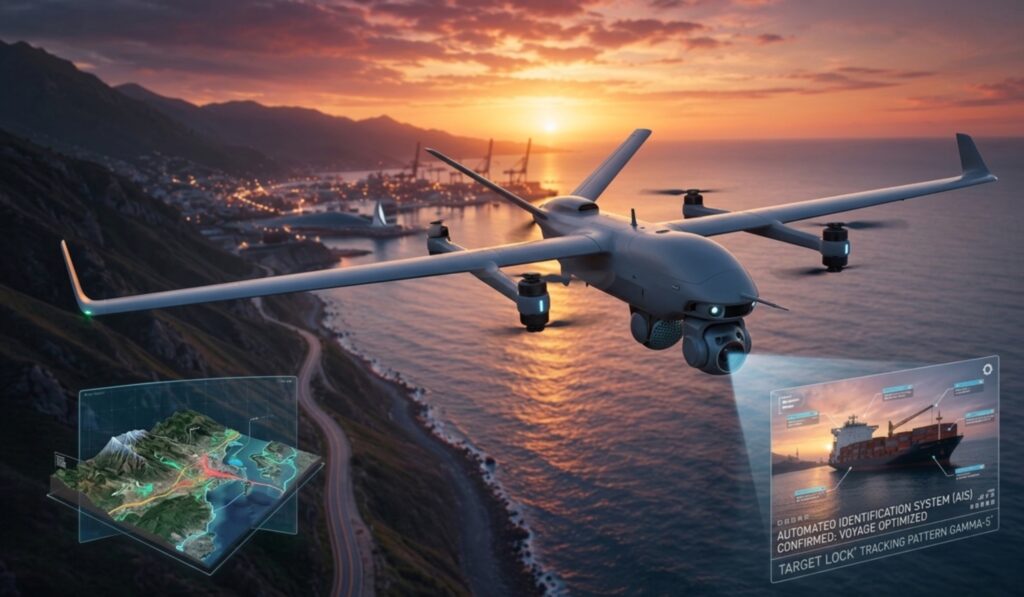
A new generation of Pakistani entrepreneurs is entering the defense technology space, developing solutions powered by Artificial Intelligence (AI), drones, robotics, autonomous systems, aerospace software, and advanced mapping technologies. These innovators are exploring opportunities in agriculture, logistics, surveillance, disaster response, and smart mobility.
However, despite growing interest and technical talent, major obstacles continue to limit the sector’s growth.
Pakistan Already Has a Strong Defense Manufacturing Foundation
Pakistan’s defense manufacturing ecosystem is not new. State-backed organizations have spent decades developing military technologies and aerospace capabilities.
One of the most prominent players is Global Industrial & Defence Solutions (GIDS), which has built advanced unmanned aerial vehicle (UAV) platforms, surveillance systems, and defense technologies. The launch of the Shahpar drone series, including the latest Shahpar-III, demonstrates the country’s established expertise in aerospace engineering.
Yet startups operate in a completely different environment.
Unlike large institutions with government backing, smaller companies must navigate limited resources, funding shortages, and regulatory complexities while attempting to compete in highly technical markets.
Why Drones Are Becoming a Startup Opportunity
Drone technology is rapidly expanding beyond military applications.
Modern UAVs are increasingly used for:
- Precision agriculture
- Crop monitoring
- Land surveying
- Infrastructure inspections
- Logistics and delivery services
- Emergency response operations
- Environmental monitoring
As industries embrace automation and data-driven decision-making, drone-based solutions are becoming commercially attractive.
This shift has created opportunities for Pakistani startups to develop specialized products tailored to local market needs.
Private Companies Are Entering the Aerospace Market
While public-sector organizations continue to dominate defense manufacturing, private companies are beginning to establish their presence.
Firms such as Integrated Dynamics have demonstrated that locally developed UAV technologies can compete in niche markets. Their work in drone manufacturing, consultancy, and customized aerial solutions highlights the growing potential of Pakistan’s private aerospace sector.
However, local companies face intense competition from international manufacturers.
Chinese drone makers dominate affordable commercial markets, while companies from the United States, Turkey, and other global leaders continue to control high-end defense and aerospace segments.
This leaves Pakistani startups competing in an increasingly challenging environment.
NICAT Is Fueling Deep-Tech Entrepreneurship
One of the most important developments for Pakistan’s aerospace startup ecosystem is the establishment of the National Incubation Center for Aerospace Technologies (NICAT).
Operating under the National Aerospace Science and Technology Park (NASTP), NICAT focuses on supporting startups working in:
- Aerospace technologies
- Artificial Intelligence
- Robotics
- Cybersecurity
- Deep-tech innovation
- Autonomous systems
The initiative provides mentorship, networking opportunities, industry exposure, and access to resources that are often difficult for early-stage startups to obtain independently.
For deep-tech founders, this support can significantly improve survival and growth prospects.
NEXERIN Shows the Potential of Local Innovation
Among Pakistan’s emerging aerospace startups, NEXERIN has gained attention for developing AI-powered drone solutions.
The company recently secured approximately $2 million in foreign investment, a noteworthy achievement in a sector that rarely attracts international funding.
Its technology focuses on applications including:
- Agricultural monitoring
- Rescue operations
- Medical supply delivery
- Autonomous fleet management
- Surveillance solutions
Rather than competing solely on price, startups like NEXERIN are emphasizing local customization, software integration, and ongoing support services to differentiate themselves from imported alternatives.
Regulation Remains the Biggest Challenge
Despite growing momentum, regulation continues to be one of the largest barriers facing defense and drone startups in Pakistan.
Companies developing UAVs and autonomous technologies often require approvals from multiple government agencies and aviation authorities. Certification processes, testing permissions, and compliance requirements can take significant time.
This creates uncertainty for founders and investors alike.
When regulatory pathways remain unclear, startups struggle to forecast timelines, attract investment, and scale operations efficiently.
For many entrepreneurs, navigating bureaucracy becomes almost as challenging as building the technology itself.
Agriculture May Be the Industry That Accelerates Growth
Interestingly, agriculture could become the gateway for Pakistan’s drone industry.
Precision agriculture uses drones, AI, sensors, and satellite imagery to improve crop management, monitor soil conditions, optimize irrigation, and increase productivity.
Given Pakistan’s large agricultural economy, drone-powered farming solutions offer substantial commercial potential.
Several local companies are already helping farmers leverage aerial data to make smarter decisions and improve yields.
This commercial adoption could provide startups with stable revenue streams before they expand into more advanced aerospace applications.
Can Pakistan Become a Technology Producer Instead of a Buyer?
One of the biggest questions facing Pakistan’s technology sector is whether the country can move beyond importing advanced technologies and begin producing them locally.
The ingredients are slowly coming together:
- A young engineering workforce
- Growing startup activity
- Increased AI adoption
- Government-backed incubation programs
- Rising investor interest in deep-tech innovation
Yet challenges remain.
Limited venture capital, infrastructure constraints, regulatory complexity, and restricted access to specialized testing facilities continue to slow progress.
The Road Ahead for Pakistan’s Defense Tech Ecosystem
Pakistan’s defense technology startup sector remains in its early stages, but the momentum is becoming increasingly difficult to ignore.
As Artificial Intelligence, robotics, aerospace engineering, and drone technologies reshape industries worldwide, local entrepreneurs are beginning to explore opportunities that once seemed inaccessible.
The future of Pakistan’s defense and aerospace innovation will depend on more than talent alone. Sustainable growth will require supportive regulations, increased investment, stronger public-private collaboration, and long-term commitment to research and development.
If these foundations continue to improve, Pakistan could gradually transition from being a technology importer to becoming a creator of globally competitive defense and aerospace solutions. The source of this news is TechinPakistan.