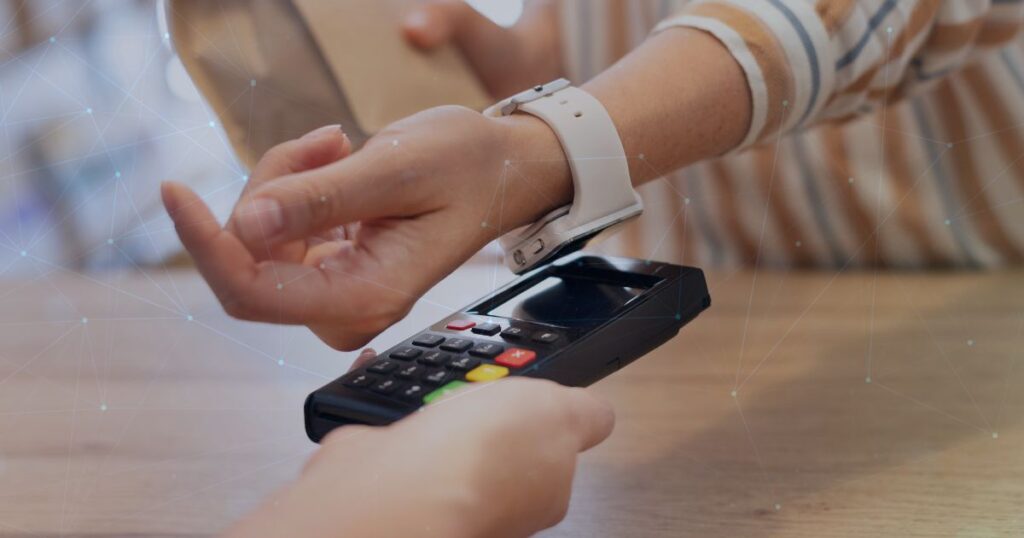
Why Plastic Cards Are Losing Their Dominance
For decades, debit and credit cards have powered online shopping, bill payments, and digital subscriptions. Entering a 16-digit card number has become second nature for millions of consumers. However, the global payments industry is entering a new era where cardless payments are replacing traditional checkout experiences.
Powered by artificial intelligence (AI), digital wallets, QR codes, biometric authentication, tokenization, and open banking, the next generation of online payments promises faster, safer, and more seamless transactions.
For Pakistan’s growing fintech ecosystem, startups, banks, and e-commerce businesses, this transformation presents significant opportunities for innovation.
Digital Wallets Are Becoming the Preferred Payment Method
Digital wallets are rapidly changing how consumers pay online and in stores. Solutions like Apple Pay, Google Wallet, and Samsung Wallet allow users to complete transactions without carrying physical cards.
Instead of exposing card details, these platforms securely store encrypted payment credentials. Users simply authenticate using:
- Fingerprint recognition
- Face ID
- Device PIN
- Smartwatch authentication
The result is a faster checkout experience with enhanced security and improved customer convenience.
Tokenization Makes Online Payments More Secure
One of the biggest innovations behind modern payment systems is tokenization.
Rather than transmitting an actual card number during every purchase, payment providers generate a unique encrypted token for each transaction. Even if hackers intercept the token, it cannot be reused elsewhere.
Tokenization offers several advantages:
- Reduces payment fraud
- Protects sensitive financial data
- Minimizes the impact of data breaches
- Strengthens online transaction security
Banks and fintech companies worldwide are increasingly adopting tokenized payment infrastructure.
Biometric Authentication Is Replacing Passwords
The future of digital payments relies less on passwords and more on identity verification.
Modern smartphones already support advanced biometric technologies such as:
- Facial recognition
- Fingerprint scanning
- Iris recognition
- Secure device authentication
These technologies simplify the payment process while making unauthorized transactions significantly more difficult.
For consumers, biometrics eliminate the need to remember multiple passwords or repeatedly enter CVV codes during checkout.
Open Banking Is Transforming Digital Transactions
Open banking is reshaping financial services by enabling customers to make direct account-to-account (A2A) payments through secure banking APIs.
Instead of relying on traditional card networks, consumers can authorize transactions directly from their banking applications.
Key benefits include:
- Lower transaction costs
- Faster settlements
- Enhanced payment security
- Better customer experience
As financial institutions modernize their digital infrastructure, open banking is expected to play an increasingly important role in Pakistan’s fintech landscape.
QR Payments Continue to Expand Across Pakistan
QR code payments have become one of the fastest-growing digital payment methods worldwide.
Consumers simply scan a merchant’s QR code using a banking app or digital wallet to complete purchases instantly.
Countries including Pakistan, India, China, and Singapore have witnessed rapid adoption due to QR payments being:
- Affordable
- Contactless
- Secure
- Easy to implement
- Ideal for small businesses
With initiatives promoting financial inclusion and cashless commerce, QR-based payments are becoming increasingly common across Pakistan.
Artificial Intelligence Is Making Payments Smarter
Artificial intelligence is transforming payment systems behind the scenes.
Financial institutions now use AI to:
- Detect fraud in real time
- Analyze unusual spending behavior
- Improve payment approvals
- Assess financial risks
- Deliver personalized payment experiences
Machine learning algorithms continuously analyze transaction patterns, helping banks reduce fraud while minimizing false payment declines.
Smart Devices Are Becoming Payment Platforms
The rise of the Internet of Things (IoT) is turning everyday connected devices into payment tools.
Consumers can now make purchases using:
- Smartwatches
- Fitness trackers
- Smart bands
- Connected vehicles
- Voice-enabled assistants
Future innovations could allow smart appliances to place orders automatically or electric vehicles to pay charging stations without requiring cards or manual input.
Invisible Security Is the Future of Payments
Next-generation payment systems aim to improve security without adding complexity.
Instead of repeatedly requesting passwords and verification codes, future payment platforms will rely on:
- Biometric verification
- Device authentication
- Behavioral analytics
- AI-powered fraud detection
- Risk-based authentication
This creates a payment experience where legitimate users enjoy faster checkouts while fraudulent activities are automatically identified and blocked.
What This Means for Pakistan’s Digital Economy
Pakistan’s rapid fintech growth, expanding e-commerce market, and increasing smartphone adoption are accelerating the shift toward cardless digital payments.
For startups, banks, retailers, and technology companies, embracing secure payment technologies will improve customer trust, reduce fraud, and support financial inclusion.
Businesses that invest early in AI-powered payment infrastructure and digital payment innovation will be better positioned to compete in the evolving digital economy.
Final Thoughts
The future of online payments isn’t simply cashless—it’s cardless. Digital wallets, biometric authentication, tokenization, QR payments, open banking, and AI are reshaping how consumers and businesses exchange money.
As Pakistan continues its digital transformation, adopting these next-generation payment technologies will be essential for driving innovation, improving cybersecurity, and delivering seamless customer experiences in the years ahead. The Source of this news is TechinPakistan.