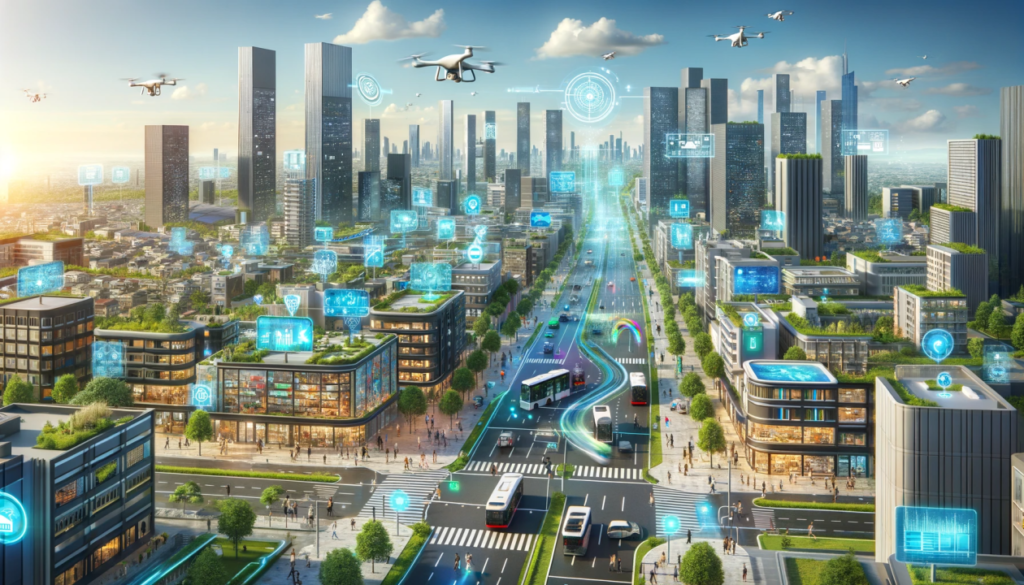
Pakistan’s Smart City Vision Is Closer Than Ever
Pakistan is undergoing a rapid digital transformation. From digital banking and e-governance to AI-powered services and expanding broadband connectivity, technology is reshaping how citizens live and work. As urban populations continue to grow, the concept of smart cities in Pakistan is gaining momentum.
However, building a smart city is about much more than installing surveillance cameras or offering public Wi-Fi. It requires advanced digital infrastructure, intelligent governance, cybersecurity, sustainable planning, and public-private collaboration.
The key question remains: Is Pakistan ready to embrace smart cities?
What Is a Smart City?
A smart city uses technologies such as Artificial Intelligence (AI), the Internet of Things (IoT), cloud computing, big data, and 5G to improve urban life and optimize public services.
Common smart city solutions include:
- AI-powered traffic management
- Smart healthcare systems
- Intelligent waste collection
- Digital government services
- Smart electricity grids
- Connected public safety networks
- Environmental monitoring systems
These technologies help cities become more efficient, sustainable, and citizen-centric while reducing operational costs.
Why Pakistan Needs Smart Cities
Pakistan’s major cities—including Karachi, Lahore, Islamabad, Rawalpindi, Faisalabad, and Peshawar—face increasing pressure from rapid urbanization.
Challenges include:
- Traffic congestion
- Air pollution
- Water shortages
- Waste management issues
- Rising energy demand
- Overburdened healthcare services
Smart technologies can help governments improve urban planning, reduce congestion, enhance emergency response, and deliver better public services through real-time data and automation.
Pakistan Has Already Taken Important Steps
Although fully integrated smart cities are still evolving, Pakistan has already laid the groundwork through several digital initiatives.
Safe City Projects
Cities such as Islamabad and Lahore have introduced Safe City systems that combine surveillance cameras, command centers, and AI-assisted monitoring to improve public safety and emergency response.
Digital Government Services
Government departments continue expanding e-governance initiatives, allowing citizens to access many services online while reducing paperwork and improving efficiency.
Digital Payments and Fintech
The rapid growth of Raast, mobile banking, and digital wallets has accelerated Pakistan’s transition toward a digital economy. These financial innovations form an essential building block for future smart city ecosystems.
Technologies Powering Smart Cities
Several emerging technologies will define Pakistan’s urban future.
Artificial Intelligence (AI)
AI enables governments to analyze massive datasets, optimize traffic flow, improve public safety, forecast infrastructure needs, and enhance city planning.
Internet of Things (IoT)
IoT devices collect real-time information using connected sensors.
Applications include:
- Smart parking
- Air quality monitoring
- Water management
- Intelligent street lighting
- Waste collection systems
5G Connectivity
Future smart city infrastructure depends on high-speed, low-latency networks that support millions of connected devices simultaneously.
Cloud Computing
Cloud platforms allow governments to securely store, process, and analyze city-wide data while delivering faster digital services to citizens.
Challenges Pakistan Must Address
Despite promising progress, several obstacles remain.
Infrastructure Gaps
Reliable electricity, high-speed internet, and modern transport infrastructure are essential for smart city development.
Investment Requirements
Building smart infrastructure demands significant funding. Public-private partnerships, foreign investment, and startup participation will play an important role.
Digital Literacy
Technology adoption depends on people. Expanding digital education and improving technology skills remain priorities for nationwide implementation.
Cybersecurity Risks
As cities become increasingly connected, protecting digital infrastructure from cyberattacks becomes critical. Governments must strengthen cybersecurity frameworks and continuously monitor digital systems.
What Pakistan Can Learn From Global Smart Cities
Leading smart cities provide valuable lessons.
- Singapore uses AI and IoT to optimize transportation, healthcare, and housing.
- Dubai has digitized many government services, making public administration faster and more accessible.
- South Korea’s Songdo integrates intelligent infrastructure for traffic management, waste collection, and energy efficiency.
Rather than copying these models, Pakistan can adapt similar technologies based on local priorities and economic realities.
Startups Will Drive Urban Innovation
Pakistan’s startup ecosystem is already developing solutions that support smart city transformation.
Growing innovation areas include:
- Artificial Intelligence
- HealthTech
- FinTech
- AgriTech
- Logistics technology
- EdTech
- Smart mobility
With greater investment, incubation programs, and supportive government policies, startups can accelerate digital innovation while creating high-value jobs.
Universities Must Become Innovation Hubs
Higher education institutions can play a vital role by advancing research in:
- Artificial Intelligence
- Robotics
- IoT
- Renewable energy
- Cybersecurity
- Urban planning
Stronger collaboration between universities, government agencies, and private companies can produce locally developed smart city technologies tailored for Pakistan.
Is Pakistan Ready for Smart Cities?
The answer is partly yes.
Pakistan has already established several key foundations, including digital payments, expanding broadband access, Safe City initiatives, e-governance, and a rapidly growing technology sector.
However, achieving truly intelligent cities requires long-term investment, stronger cybersecurity, better digital literacy, sustainable infrastructure, and consistent public policy.
Final Thoughts
Smart cities are not simply about adopting advanced technology—they are about creating safer, greener, more connected, and economically competitive urban environments.
With continued investment in AI, IoT, digital governance, fintech, and startup innovation, Pakistan has the potential to transform its urban landscape over the coming decade. The journey may take time, but the opportunity to build smarter cities that improve quality of life and strengthen the national economy has never been greater. The Source of this news is TechinPakistan.