Author name: CEO Team

The Next AI Battle Is Memory
News

The Next AI Revolution Is Memory, Not Models: Why Context Will Define the Future of Artificial Intelligence

For the past few years, the global AI race has focused on one goal—building the most powerful large language models (LLMs). Tech giants have competed to create faster, smarter, and more capable AI systems. But as leading AI models become increasingly similar in performance, a new battleground is emerging. The future of artificial intelligence is no longer just about intelligence—it’s about memory. AI systems that can remember users, understand long-term context, and deliver personalized experiences are set to become the real winners. For Pakistan’s startups, software companies, and enterprises, this shift presents a major opportunity to build smarter AI-powered products that create lasting value. Why Powerful AI Models Are No Longer Enough Modern AI models can already perform impressive tasks, including writing content, generating code, analyzing data, summarizing reports, and creating images. However, users now expect more than accurate responses. They want AI that remembers previous conversations, understands ongoing projects, and adapts to individual preferences. Instead of repeating the same information in every session, businesses and professionals increasingly value AI that offers: The next generation of AI assistants will function less like chatbots and more like trusted digital partners. What AI Memory Really Means AI memory extends far beyond storing chat history. A modern AI system can retain valuable contextual information such as: This contextual intelligence enables AI to provide faster, more relevant recommendations while reducing repetitive work. Instead of starting every conversation from scratch, AI can build on previous interactions to improve productivity and decision-making. Why AI Memory Matters for Businesses For organizations, context-aware AI delivers measurable business value. Customer support teams can instantly understand previous customer issues without asking repetitive questions. Marketing departments can continue campaigns using existing brand guidelines, while developers can resume software projects with complete project history already available. Industries such as healthcare, education, finance, and enterprise software can also deliver more personalized services by combining AI with long-term contextual understanding. In short, AI memory transforms automation into intelligent collaboration. The Biggest Challenge: Managing AI Memory Building AI memory is significantly more complex than simply saving conversations. Technology companies must answer critical questions, including: Poor memory management may lead to inaccurate recommendations or outdated responses, making AI memory architecture one of the fastest-growing research areas in artificial intelligence. Privacy Will Become a Competitive Advantage As AI systems remember more about users and businesses, data privacy becomes increasingly important. Organizations must strike a balance between personalization and user trust. Future AI platforms are expected to compete by offering: Companies that prioritize responsible AI and privacy-first design will earn greater customer confidence. AI Memory Is Already Shaping New Products Across the global technology industry, AI development is shifting beyond model performance. Leading companies are investing in features that allow AI to: For enterprises, an AI assistant that understands company processes and remembers historical information offers significantly greater value than a standalone chatbot. A Major Opportunity for Pakistan’s Tech Industry Pakistan’s rapidly growing technology ecosystem is well-positioned to benefit from this transformation. Startups can develop memory-first AI applications, while software houses can integrate contextual AI into enterprise solutions. EdTech platforms can personalize learning journeys, healthcare companies can improve patient engagement, and customer service providers can deliver smarter experiences. Rather than simply adopting AI, Pakistani businesses should focus on building intelligent systems that combine powerful models with secure, long-term contextual memory. The Future of AI Is Built on Relationships The next phase of artificial intelligence will not be won solely by the company with the largest model. Success will belong to organizations that build AI capable of understanding people, remembering context, and adapting over time. As AI memory, contextual intelligence, machine learning, personalized automation, and enterprise AI continue to evolve, digital assistants will become long-term collaborators rather than one-time tools. For Pakistan’s startups, CEOs, and technology leaders, investing in context-aware AI today could create the competitive advantage that defines tomorrow’s digital economy. The source of this news is From TechinPakistan.


AI Is Giving Small Teams Superpower
News

AI Is Giving Small Teams Superpowers: How Pakistani Startups Can Outperform Large Corporations

For decades, large corporations dominated the business world with bigger budgets, larger workforces, and greater access to technology. Today, artificial intelligence (AI) is changing that equation. Small teams and startups can now automate tasks, improve productivity, and make data-driven decisions using AI-powered tools that were once reserved for enterprise organizations. For Pakistan’s growing startup ecosystem, this shift presents a unique opportunity. Entrepreneurs, SMEs, freelancers, and software companies can leverage AI to compete with industry giants while operating with leaner teams and lower costs. AI Is Redefining Business Productivity Traditional businesses often increased output by hiring more employees. AI has introduced a smarter approach. Modern AI tools can automate repetitive workflows, generate reports, analyze large datasets, create marketing content, and even assist with software development. As a result, a five-person startup can now achieve the productivity that once required a much larger workforce. Instead of spending valuable time on routine administrative tasks, employees can focus on innovation, strategy, and business growth. Automation Helps Small Businesses Scale Faster One of AI’s biggest strengths is business automation. Companies no longer need large departments to manage repetitive operations. AI-powered automation can simplify: By reducing manual work, startups can improve efficiency while keeping operational expenses under control. Smarter Decisions Through AI Analytics Access to business intelligence was once a luxury available mainly to large enterprises. Today, AI-powered analytics platforms allow startups to gain valuable insights without maintaining dedicated data science teams. AI can analyze customer behavior, identify market trends, predict demand, and generate actionable recommendations in real time. For Pakistani entrepreneurs operating in competitive markets, these insights can lead to faster and more informed business decisions. AI Is Accelerating Software Development Software development has become significantly more efficient with AI-assisted coding tools. Developers can use AI to: Rather than replacing software engineers, AI enhances their productivity, allowing smaller development teams to build high-quality digital products in less time. Affordable Marketing With AI Marketing has traditionally required significant budgets, but AI is making professional-quality digital marketing accessible to startups. Businesses can now use AI to create: AI also analyzes campaign performance and customer engagement, helping businesses refine their marketing strategies without hiring large creative teams. Better Customer Support Without Expanding Staff Customer experience plays a critical role in business success, and AI is helping companies deliver better service around the clock. AI-powered chatbots and virtual assistants can answer common questions, schedule appointments, guide customers, and resolve routine issues instantly. This allows human support teams to focus on complex cases while improving response times and customer satisfaction. Why Small Teams Have a Competitive Advantage While large corporations possess greater financial resources, they often struggle with slow decision-making and complex management structures. Small teams enjoy several advantages: When combined with AI, these strengths enable startups to innovate rapidly and respond to market opportunities more effectively than many larger organizations. AI Creates New Growth Opportunities for Pakistan Pakistan’s technology sector is expanding rapidly, creating exciting opportunities for startups, software houses, digital agencies, freelancers, and e-commerce businesses. By integrating AI into daily operations, companies can serve more clients, improve service quality, and expand into international markets without dramatically increasing costs. Early adoption of AI can help Pakistani businesses build globally competitive products while maintaining lean and efficient operations. Human Expertise Still Matters Although AI is transforming business operations, it cannot replace qualities such as leadership, creativity, emotional intelligence, critical thinking, and strategic decision-making. The most successful companies will combine AI-powered automation with skilled professionals who can innovate, solve complex problems, and build meaningful customer relationships. Organizations that invest in both AI adoption and employee upskilling will gain the strongest competitive advantage in the years ahead. The Bottom Line Artificial intelligence is reshaping the modern business landscape. Success is no longer determined solely by company size or workforce numbers—it increasingly depends on how effectively businesses use technology to improve productivity and innovation. For Pakistani startups and SMEs, AI offers an unprecedented opportunity to compete with larger enterprises, reduce operational costs, scale faster, and reach global markets. As AI continues to evolve, agile businesses that embrace intelligent automation today will be better positioned to become tomorrow’s industry leaders. The source of this news is From TechinPakistan.
AI Assistant Starts Talking
News

The Next AI Revolution: What Happens When AI Assistants Start Talking to Each Other?

Artificial intelligence is rapidly evolving from a simple productivity tool into an intelligent digital ecosystem. Today, AI assistants help users write emails, summarize documents, schedule meetings, and answer questions. But the next major leap in AI technology could completely transform how businesses and consumers interact with the internet. Imagine your personal AI assistant communicating directly with your bank’s AI, airline booking systems, shopping platforms, workplace software, and even another person’s digital assistant—all without you opening multiple apps. This emerging concept, known as AI-to-AI communication or agent-to-agent AI, has the potential to redefine digital experiences and business operations. The Rise of AI Agents Traditional AI assistants respond to prompts and generate answers. AI agents, however, go much further. An AI agent can understand a user’s objective, divide it into multiple tasks, access digital tools, retrieve information, and perform actions automatically. Instead of handling one request at a time, multiple AI agents can collaborate to complete complex workflows. For example, if you ask your AI assistant to arrange a business trip, it could: All of these tasks could be completed by specialized AI agents working together behind the scenes. The Future of an Agent-to-Agent Internet Today’s internet is built primarily for people. Users browse websites, switch between apps, fill out forms, and manually compare services. The next generation of the internet could operate differently. Instead of humans navigating every platform, AI assistants may communicate directly with business systems and digital services. This agent-to-agent internet would automate routine interactions, making online experiences faster and more personalized. Businesses may eventually build services designed not only for customers but also for AI agents acting on behalf of those customers. AI Could Negotiate Better Deals for You One of the most exciting possibilities is AI-powered negotiation. Rather than simply displaying available options, your AI assistant could communicate with multiple service providers to compare offers, analyze contract terms, and negotiate better pricing. This technology could be applied to: For startups and SMEs in Pakistan, intelligent AI negotiation could reduce costs while improving purchasing decisions. How AI Collaboration Can Transform Businesses The business world could benefit significantly from interconnected AI agents. Different departments may operate their own specialized AI systems that continuously exchange information. For example: Rather than replacing employees, AI would automate repetitive administrative work, allowing teams to focus on strategic decision-making and innovation. Trust and Cybersecurity Become Critical As AI systems begin communicating independently, digital trust becomes one of the biggest challenges. Businesses will need reliable methods to verify: Without robust authentication standards, cybercriminals could exploit autonomous AI networks through fraud, misinformation, or malicious agents. Developing secure AI governance frameworks will be essential for enterprise adoption. Who Is Responsible When AI Makes a Mistake? As AI agents begin making purchasing decisions and business recommendations, accountability becomes increasingly complex. If an AI books the wrong flight, approves an incorrect payment, or shares inaccurate information, determining responsibility may involve multiple stakeholders—including developers, service providers, and users. Future AI platforms will likely require human approval for sensitive actions such as financial transactions or legal agreements while allowing routine tasks to remain automated. Privacy Will Shape the Future of AI AI assistants will understand user preferences, work habits, spending patterns, travel history, and communication styles. While this context enables highly personalized experiences, it also raises significant data privacy concerns. Organizations must ensure AI systems share only the information required to complete specific tasks while giving users complete transparency and control over their personal data. Privacy-first AI design will become a competitive advantage for technology companies worldwide. New Opportunities for Pakistani Startups The evolution of AI agents opens exciting opportunities for Pakistan’s growing startup ecosystem. Local entrepreneurs can build specialized AI solutions for industries including: Demand will also grow for AI infrastructure, secure communication protocols, and interoperability platforms that enable different AI systems to work together efficiently. The Future Internet May Become Invisible The biggest transformation may not be smarter AI—it may be an invisible internet. Instead of manually browsing websites, users will simply describe their goals. AI assistants will coordinate with dozens of specialized systems, complete tasks automatically, and deliver finished results within seconds. For businesses, this shift represents more than technological innovation. It marks the beginning of a new digital economy where AI collaboration, intelligent automation, machine learning, enterprise AI, and autonomous agents redefine productivity, customer experiences, and the future of work. As AI assistants begin talking to other AI assistants, the internet itself could become less visible—but far more intelligent. The source of this news is From TechinPakistan.

Siri-AI
News

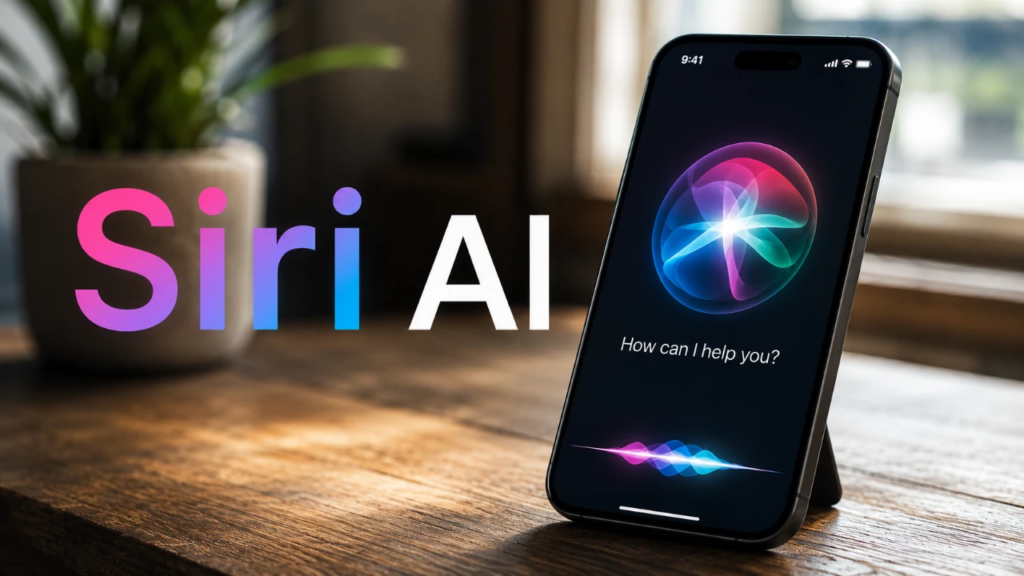
iOS 27 Beta Brings a Smarter Siri: Apple Introduces Personalized Voice, Speed and AI-Powered Conversations

Apple is taking digital assistants to the next level with the latest iOS 27 beta update. The tech giant has introduced new Siri customization features that allow users to personalize the assistant’s speaking style, voice delivery, speed, and expressiveness, creating a more natural and engaging user experience. The update reflects Apple’s growing focus on artificial intelligence, accessibility, and personalized technology, as the company continues to enhance Siri’s capabilities to compete with modern AI-powered virtual assistants. Apple Gives Users More Control Over Siri For years, Siri users have been limited to a handful of voice options and fixed speaking patterns. With iOS 27 beta, Apple is changing that by allowing users to fine-tune how Siri sounds during everyday interactions. The new customization controls enable users to: Whether users prefer a slower speech pace for better understanding or a more dynamic conversational tone, Siri can now adapt to individual preferences. A Major Step Toward More Human-Like AI Artificial intelligence is reshaping how people interact with technology, and voice assistants are at the center of this transformation. Apple’s latest update signals a significant shift toward making Siri feel less robotic and more conversational. The enhanced voice controls aim to deliver: As AI assistants become increasingly important for productivity, communication, and daily tasks, personalization is emerging as a key differentiator in the technology industry. Why This Matters for Apple’s AI Strategy The iOS 27 beta update arrives as global technology companies race to develop smarter AI ecosystems. Apple has been steadily investing in machine learning, generative AI, and intelligent automation to strengthen its position in the competitive AI market. Industry experts view Siri’s personalization upgrades as part of Apple’s broader strategy to create a more adaptive and context-aware assistant capable of understanding user preferences and delivering more meaningful interactions. For Apple, improving Siri is not just about voice customization—it is about building a smarter digital assistant ecosystem for the future. Enhanced Accessibility for a Wider Audience One of the most notable benefits of the new Siri controls is improved accessibility. Users with different hearing preferences, language comprehension needs, or communication styles can now customize Siri to better match their requirements. The update supports Apple’s ongoing commitment to inclusive technology by making voice interactions more comfortable and accessible for a broader user base. What iPhone Users Can Expect Currently, the Siri personalization features are available to iOS 27 beta testers. Apple is expected to roll out the functionality to compatible iPhone models following the official public release of iOS 27. The update demonstrates Apple’s continued focus on user-centric innovation, giving consumers greater control over how they interact with their devices. Impact on the Future of Voice Technology Voice assistants are becoming a critical component of the modern digital experience. From managing schedules and controlling smart devices to answering questions and enhancing productivity, AI assistants play an increasingly important role in everyday life. Apple’s latest Siri improvements highlight a growing industry trend toward: As consumer expectations evolve, technology companies are investing heavily in creating assistants that feel more responsive, adaptive, and human-like. Final Thoughts The iOS 27 beta update marks another important milestone in Apple’s AI journey. By allowing users to personalize Siri’s voice, speaking speed, and expressiveness, Apple is creating a more flexible and engaging digital assistant experience. For tech enthusiasts, startup founders, and business leaders following the evolution of artificial intelligence, the update showcases how personalization and AI innovation are shaping the future of mobile technology. As Apple continues refining Siri, users can expect smarter interactions, enhanced accessibility, and a more human-centered approach to digital assistance. The source of this news is From TechinPakistan.

webbrowserprivacy
News

Your Web Browser Knows More About You Than Your Smartphone: Why Every Pakistani Internet User Should Care

Every click you make online tells a story. While most people believe their smartphone collects the majority of their personal information, the reality is that your web browser often knows far more about your digital life. From online banking and e-commerce shopping to business research and startup management, your browser quietly records browsing habits, search history, login details, and personal preferences. For entrepreneurs, executives, remote workers, and startup founders in Pakistan, understanding browser privacy has become an essential part of cybersecurity. Why Your Browser Collects More Data Than You Think Modern browsers such as Google Chrome, Microsoft Edge, Mozilla Firefox, and Safari are designed to improve user experience. To do this, they continuously store information that helps websites load faster and remembers your preferences. Your browser typically saves: If you sync your browser across multiple devices, this information travels with you, creating a detailed digital profile that spans your laptop, smartphone, and tablet. Websites Can Identify You Without Signing In Many internet users assume they remain anonymous until they log into a website. However, websites can recognize returning visitors using advanced tracking technologies. These include: Browser fingerprinting is especially powerful because it creates a unique identity using technical details such as: Even after deleting cookies, browser fingerprinting can often continue identifying users across multiple websites, making online privacy more challenging than many people realize. Your Search History Reveals Your Lifestyle Every search query contributes to your online profile. Search engines analyze searches related to: This data powers personalized search results and targeted advertisements while helping advertising platforms better understand user behavior. For business professionals, these digital footprints may reveal far more personal information than expected. Your Browser Stores Valuable Personal Information Today’s browsers function almost like digital wallets. Many users allow browsers to store: Although these features improve convenience, they also increase cybersecurity risks if your device becomes compromised. Using a trusted password manager alongside two-factor authentication (2FA) significantly strengthens online security. Browser Extensions May Access Sensitive Data Browser extensions improve productivity by offering features like: However, many extensions request broad permissions that allow access to browsing activity, downloads, clipboard content, and website data. Before installing any extension, verify the developer’s credibility and regularly review granted permissions to minimize privacy risks. Why Advertisers Know What You’re Looking For Have you ever searched for a laptop or airline ticket only to see similar advertisements across dozens of websites? This happens because advertising networks monitor browsing behavior to create detailed consumer profiles. These profiles help advertisers deliver personalized ads based on: While personalized advertising improves relevance, it also expands your digital footprint across the internet. Best Practices to Improve Browser Privacy Protecting your online privacy doesn’t require giving up your favorite browser. Instead, follow these cybersecurity best practices: Privacy-focused browsers and secure search engines are also becoming increasingly popular among users seeking greater control over personal data. Why Browser Privacy Matters for Businesses and Startups Pakistan’s digital economy continues to expand rapidly, with startups, fintech companies, SaaS businesses, and e-commerce platforms relying heavily on cloud-based services. As cyber threats evolve, browser security has become an important part of business risk management. Founders, executives, IT teams, and employees should understand how browsing data is collected and adopt stronger cybersecurity practices to protect company information, customer data, and financial assets. A secure browser is no longer just an IT concern—it’s a business necessity. Final Thoughts Your web browser provides a remarkably detailed picture of your online activities—often more comprehensive than your smartphone itself. From saved passwords and financial information to browsing habits and purchasing behavior, it holds valuable data that deserves protection. Fortunately, improving browser privacy is straightforward. By updating security settings, limiting unnecessary tracking, managing browser extensions responsibly, and following cybersecurity best practices, you can significantly reduce your digital footprint without sacrificing convenience. In today’s connected world, protecting your browser isn’t simply about safeguarding personal information—it’s about securing your identity, your business, and your digital future. The source of this news is From TechinPakistan.

freelance
Startup's

Stop Selling Hours: How Pakistani Freelancers Can Build Digital Products and Create Passive Income

Pakistan’s freelance economy is growing rapidly, with thousands of professionals earning through platforms like Upwork, Fiverr, LinkedIn, and direct client work. From graphic designers and content writers to developers and digital marketers, freelancing has become one of the most attractive career paths in the country’s digital economy. However, there is one major limitation to traditional freelancing: your income is directly tied to your time. No matter how skilled or experienced you are, there are only 24 hours in a day. Once your schedule is full, increasing your income often means working longer hours or charging higher rates. This is why a growing number of freelancers worldwide are shifting from selling services to creating digital products that generate scalable and recurring revenue. Why the “Time for Money” Model Has Limits The traditional freelance model follows a straightforward cycle: acquire a client, complete a project, receive payment, and then search for the next client. While this approach provides flexibility and financial independence, it often creates a ceiling on income growth. Freelancers can experience burnout, inconsistent revenue, and limited scalability. Digital products solve this challenge by allowing creators to build something once and sell it repeatedly. Whether it’s a template, online course, digital toolkit, ebook, or software asset, a single product can generate income from hundreds or even thousands of customers. This shift transforms freelancers from service providers into digital entrepreneurs. What Exactly Is a Digital Product? One of the biggest misconceptions among freelancers is that digital products require advanced programming skills. In reality, many successful digital products are simple, practical, and based on existing expertise. Popular digital products include: If you repeatedly solve the same problem for clients, there’s a strong possibility that solution can become a scalable digital product. Turn Your Existing Skills into Scalable Assets Freelancers already possess valuable knowledge and workflows. Instead of delivering the same service repeatedly, they can package their expertise into products. For example: Digital assets enable freelancers to monetize their expertise beyond one-on-one client relationships. Build Once, Sell Repeatedly The greatest advantage of digital products is scalability. Imagine spending two weeks creating a premium freelance proposal template. Instead of earning from a single client, you can sell that template to hundreds of freelancers globally. Unlike hourly work, digital products do not require constant involvement after launch. While updates, support, and marketing remain important, the product itself continues generating revenue over time. This creates opportunities for: How AI Is Helping Freelancers Build Faster Artificial intelligence has dramatically reduced the barriers to building digital products. Freelancers can now use AI-powered tools to accelerate product development, including: However, AI should be viewed as an accelerator rather than a replacement for human expertise. The most successful digital products combine AI efficiency with real-world experience and specialized knowledge. Build an Audience Before You Launch Creating an excellent product is only part of the process. Without an audience, even great products struggle to generate sales. Pakistani freelancers should focus on building authority through platforms such as: Consistently sharing valuable insights helps establish trust and positions freelancers as experts within their niche. Building an email list before launching a product can significantly improve sales and long-term customer relationships. Start Small and Improve Over Time One of the biggest mistakes freelancers make is waiting for perfection. Instead, creators should focus on launching a Minimum Viable Product (MVP). Release a simple version, collect customer feedback, improve the product, and expand gradually. Many successful digital entrepreneurs started with: Every launch provides valuable lessons about customer behavior, pricing strategies, product-market fit, and digital marketing. Diversify Your Income Streams Relying solely on client work can create financial uncertainty. Economic downturns, market shifts, or reduced demand can impact freelance income. Many successful freelancers adopt a diversified income model that includes: This approach creates greater financial security and sustainable business growth. The Future Belongs to Creator Entrepreneurs Freelancing will continue to play a critical role in Pakistan’s digital economy. However, the next generation of successful freelancers will likely be those who evolve beyond selling their time and begin building digital assets. By packaging expertise into scalable products, freelancers can create businesses that generate income long after the initial work is completed. For Pakistan’s growing community of freelancers, creators, and startup founders, the opportunity is clear: stop thinking only as a service provider and start thinking like an entrepreneur. The sooner you begin building digital products alongside your freelance services, the sooner you’ll create a business model that rewards not just your time—but your knowledge, creativity, and expertise. The source of this news is From TechinPakistan.
The Rise of AI Freelancers
News

Pakistan’s AI Freelancer Boom: How the Country Is Emerging as a Global Hub for Artificial Intelligence Talent

Artificial Intelligence (AI) is rapidly reshaping the global workforce, creating both disruption and opportunity across industries. While automation threatens some traditional jobs, it is also giving rise to a new generation of digital professionals: AI freelancers. Pakistan, already recognized as one of the world’s fastest-growing freelance markets, is now witnessing a remarkable surge in AI-powered freelancing. From prompt engineering and AI content creation to workflow automation and machine learning support, Pakistani freelancers are leveraging artificial intelligence to deliver high-value services to clients worldwide. This transformation is not only increasing individual incomes but also strengthening Pakistan’s position in the global digital economy. Pakistan’s Freelance Economy Continues to Expand Pakistan has consistently ranked among the leading freelancing countries globally. Thousands of professionals generate income through international marketplaces by offering services such as: Today, artificial intelligence is accelerating this growth. Rather than replacing freelancers, AI tools are helping professionals work faster, improve service quality, and manage multiple clients more efficiently. Writers can speed up research, developers can accelerate coding, designers can generate concepts instantly, and marketers can automate campaign execution. Pakistan’s growing IT ecosystem and digital exports continue to contribute significantly to the country’s economy, creating new opportunities for skilled freelancers. Why AI Freelancing Is Growing Rapidly in Pakistan Several factors are fueling the rise of AI freelancers across Pakistan. Low Barriers to Entry Unlike traditional AI research, many AI freelance services require practical skills rather than advanced academic qualifications. Professionals can now learn: Online education platforms have made AI training accessible to anyone with an internet connection, allowing freelancers to quickly develop marketable skills. AI Increases Productivity One of AI’s biggest advantages is productivity enhancement. Artificial intelligence enables freelancers to: Tasks that previously required several days can now often be completed within hours, allowing freelancers to scale their businesses significantly. Higher Income Opportunities Global demand for AI-related services has increased dramatically. Businesses increasingly seek professionals who can provide: Freelancers who combine technical expertise with AI skills often command higher rates than traditional service providers. Most In-Demand AI Freelance Skills in 2026 The AI freelance marketplace continues to evolve rapidly. Some of the highest-demand skills currently include: Companies increasingly value professionals who can combine artificial intelligence with creativity, strategic thinking, and problem-solving skills. Pakistan’s Young Workforce Is a Major Competitive Advantage One of Pakistan’s greatest strengths is its young and digitally connected population. Every year, thousands of graduates enter the workforce from fields such as: Many young professionals are choosing freelancing over traditional employment due to: In addition, technology bootcamps, training institutes, and digital education initiatives continue to strengthen Pakistan’s talent pipeline. AI Is Helping Freelancers Compete Globally Historically, independent freelancers often struggled to compete with larger agencies due to limited resources. Artificial intelligence is changing that reality. Today, solo professionals can use AI tools to: As a result, Pakistani freelancers can now compete internationally based on skill and efficiency rather than company size. Challenges Still Exist Despite the enormous opportunities, AI freelancing also presents challenges. Increasing competition means that simply using AI tools is no longer enough. Clients now expect freelancers to provide: Additionally, ethical AI practices are becoming increasingly important. Businesses value originality, transparency, and responsible AI usage. Continuous learning remains essential for freelancers seeking long-term success in a rapidly evolving digital landscape. The Future of AI Freelancing in Pakistan The future of freelancing in Pakistan appears increasingly connected to artificial intelligence. New career opportunities are emerging, including: As businesses worldwide continue investing in AI technologies, demand for skilled AI freelancers is expected to grow significantly. Pakistan already possesses many advantages needed to become a regional AI freelancing hub, including: Final Thoughts Artificial intelligence is not eliminating freelancing—it is reinventing it. Pakistani freelancers are demonstrating how embracing AI can increase productivity, improve service quality, and unlock new income opportunities. By combining human creativity, strategic thinking, and AI-powered tools, they are successfully competing in global markets. As AI adoption accelerates worldwide, Pakistan has a unique opportunity to establish itself as one of the leading destinations for AI-powered freelance talent. The professionals who learn to combine human intelligence with artificial intelligence today may become the digital economy leaders of tomorrow. The Source of this news is TechinPakistan.

How-Small-Businesses-Can-Use-AI-Without-An-In-house-Tech-Team
Business

How Small Businesses in Pakistan Can Use AI Without Hiring Expensive Experts

Artificial Intelligence (AI) is no longer reserved for multinational corporations and large technology companies. In 2026, AI-powered tools have become more affordable, accessible, and easier to use than ever before, allowing small businesses, startups, freelancers, and entrepreneurs to benefit from automation without hiring costly AI specialists. Many business owners mistakenly believe that implementing AI requires a team of engineers or data scientists. In reality, dozens of user-friendly AI platforms now allow non-technical users to automate operations, improve marketing, enhance customer service, and make smarter business decisions with minimal investment. For small businesses in Pakistan, AI is rapidly becoming a competitive advantage rather than a luxury. Why AI Matters for Small Businesses Small businesses often face challenges such as limited staff, tight budgets, and increasing competition. Artificial intelligence helps companies overcome these challenges by automating repetitive tasks, improving efficiency, and reducing operational costs. AI can help businesses: As AI tools become more affordable through subscription-based models, even small companies can access technologies previously available only to large enterprises. Using AI for Content Marketing and Content Creation Creating high-quality content consistently can consume significant time and resources. AI-powered writing assistants now allow businesses to create marketing content quickly and efficiently. Popular AI writing platforms can help businesses: For example, an e-commerce business can generate hundreds of product descriptions in minutes, allowing business owners to focus on customer engagement and growth strategies rather than repetitive writing tasks. Improving Customer Service with AI Chatbots Customer support remains one of the most important aspects of business success. However, many small businesses struggle to provide timely responses, particularly outside regular business hours. AI-powered chatbots can help businesses: Modern chatbot platforms require very little technical knowledge and can significantly improve customer satisfaction while reducing support costs. Automating Administrative Workflows Many daily business operations involve repetitive administrative tasks that consume valuable time. Artificial intelligence and automation platforms can automate: Workflow automation platforms allow businesses to connect multiple applications without writing code. For example, when a customer submits a form online, the system can automatically update customer records, send follow-up emails, and notify staff members instantly. This automation reduces human error and increases operational efficiency. Enhancing Social Media Marketing Maintaining a strong social media presence requires consistent content creation and publishing. AI-powered marketing tools make this process significantly easier. Businesses can now use AI to: These tools allow small businesses to maintain professional digital marketing operations without hiring full-time social media teams. Using AI to Better Understand Customers Many businesses collect large amounts of customer data but struggle to extract useful insights. AI-powered analytics platforms help businesses understand: By using predictive analytics and intelligent reporting, business owners can make informed decisions based on real data rather than assumptions. AI-Powered Email Marketing Email marketing continues to deliver one of the highest returns on investment among digital marketing channels. Artificial intelligence can improve email campaigns by: Instead of manually managing campaigns, businesses can use AI to deliver the right message to the right customer at the right time. Simplifying Recruitment and Hiring Hiring qualified employees remains challenging for many growing businesses. AI-powered recruitment tools can help companies: While AI should not replace human judgment, it can significantly speed up recruitment processes and improve hiring efficiency. AI for Financial Management Managing finances effectively is essential for every business owner. Modern accounting software now includes AI-powered features that can: These capabilities allow business owners to gain valuable financial insights while minimizing manual accounting tasks. Why AI Is Important for Pakistani Small Businesses Pakistan’s digital economy is growing rapidly, creating new opportunities for startups, freelancers, entrepreneurs, and SMEs. However, many businesses continue to operate with: Artificial intelligence provides a practical solution for overcoming these challenges. Whether it’s a digital agency in Lahore, an e-commerce startup in Karachi, or a small business in Islamabad, affordable AI tools can help organizations compete with larger companies. Businesses that adopt AI early may gain a significant competitive advantage as digital transformation accelerates across Pakistan. Common Myths About AI Adoption One of the biggest misconceptions about artificial intelligence is that it is expensive and difficult to implement. In reality, most modern AI platforms are designed specifically for non-technical users and offer: Business owners do not need programming skills to benefit from AI-powered tools. The key is to start with one specific business challenge and gradually expand AI adoption over time. Final Thoughts Artificial intelligence is no longer a technology reserved for large corporations. Today, small businesses can use AI to improve productivity, automate operations, strengthen marketing, enhance customer service, and make better business decisions without hiring expensive experts. For Pakistani entrepreneurs, startups, and SMEs, AI represents an opportunity to compete more effectively in an increasingly digital marketplace. Businesses that begin adopting AI-powered tools today will be better positioned to reduce costs, increase efficiency, and achieve long-term growth in the future digital economy. The Source of this news is TechinPakistan.

quantum-computing
News

How Quantum Computing Could Revolutionize the Tech Industry and Transform Pakistan’s Digital Future

The technology industry has witnessed several groundbreaking innovations over the past few decades, from the rise of the the internet to cloud computing and artificial intelligence (AI). Now, experts believe the next major technological revolution could come from quantum computing — a powerful new computing approach capable of solving problems beyond the reach of today’s fastest supercomputers. Although quantum computing remains in its early stages, governments, research institutions, and technology companies worldwide are investing billions of dollars into its development. From cybersecurity and healthcare to artificial intelligence and finance, quantum technology has the potential to transform nearly every major industry. What Is Quantum Computing? Traditional computers process information using binary bits, which can only exist as either a 0 or a 1. Quantum computers, however, use quantum bits, known as qubits, which can exist in multiple states simultaneously through a phenomenon called superposition. Another important quantum principle, known as entanglement, allows qubits to work together in ways that enable massive computational power. This unique capability allows quantum computers to perform complex calculations much faster than conventional computing systems in certain applications. Why Big Tech Is Investing Billions in Quantum Computing The global race for quantum supremacy has become one of the most significant technology competitions of the modern era. Technology giants, governments, and research organizations are aggressively investing in quantum research to secure future advantages in computing, artificial intelligence, national security, and scientific discovery. Experts believe that achieving practical quantum computing could fundamentally reshape global digital infrastructure, giving early adopters a substantial competitive advantage. Quantum Computing Could Supercharge Artificial Intelligence Artificial intelligence systems require enormous computing power and vast amounts of data processing. Quantum computing has the potential to accelerate machine learning algorithms, optimize complex calculations, and significantly reduce AI training times. Researchers are exploring how quantum-enhanced AI could deliver: The combination of AI and quantum computing could unlock entirely new technological possibilities across multiple industries. Revolutionizing Cybersecurity and Digital Protection Quantum computing presents both opportunities and challenges for cybersecurity. Many existing encryption systems depend on mathematical problems that classical computers cannot efficiently solve. However, sufficiently advanced quantum computers may eventually break some current encryption standards. As a result, governments and technology companies are investing heavily in post-quantum cryptography to develop next-generation security systems capable of resisting quantum attacks. In the future, quantum-safe encryption could become essential for: Accelerating Medical Research and Drug Discovery One of the most exciting applications of quantum computing lies in healthcare and pharmaceutical research. Scientists spend years simulating molecular interactions to develop new treatments and medicines. Quantum computers could dramatically speed up these simulations, allowing researchers to identify promising drug candidates much faster. Potential benefits include: This breakthrough could significantly reduce research costs and accelerate medical innovation worldwide. Transforming Finance and Business Analytics Financial institutions process enormous volumes of complex data every day. Quantum computing could revolutionize financial services by improving: Banks and investment firms are already experimenting with quantum algorithms to gain competitive advantages in increasingly complex financial markets. Optimizing Global Supply Chains and Logistics Supply chain management involves countless variables, making optimization extremely challenging using traditional computing methods. Quantum computing could help businesses: For industries such as e-commerce, manufacturing, and international trade, these improvements could generate substantial economic benefits. Quantum Cloud Computing: The Future of Accessibility Most businesses are unlikely to purchase quantum hardware directly due to its cost and complexity. Instead, quantum computing services will primarily be delivered through cloud platforms. This cloud-based model will allow: to access advanced quantum computing capabilities without massive infrastructure investments. Just as cloud computing democratized traditional computing power, quantum cloud services may democratize access to next-generation computational technology. What Quantum Computing Means for Pakistan Pakistan’s technology ecosystem is still evolving, but quantum computing presents significant long-term opportunities. Universities, technology startups, and research institutions can prepare by investing in: As Pakistan’s digital economy continues to grow, staying informed about emerging technologies such as quantum computing will become increasingly important for maintaining global competitiveness. Challenges Still Remain Despite its enormous promise, quantum computing faces major technical obstacles, including: Researchers continue to work on overcoming these barriers, and while widespread commercial adoption may still be years away, progress is accelerating rapidly. Final Thoughts Quantum computing represents one of the most exciting technological frontiers of the 21st century. Its ability to solve highly complex problems could revolutionize industries ranging from artificial intelligence and cybersecurity to healthcare, finance, and logistics. While challenges remain, growing investment and rapid technological advancement suggest that quantum computing could become the next major innovation wave after AI. For businesses, entrepreneurs, developers, and policymakers in Pakistan, understanding quantum technology today may help shape tomorrow’s digital economy. The Source of this news is TechinPakistan.

How-Low-Code-Software-Tools-are-Fueling-Digital-Transformation
Startup's

How Low-Code and No-Code Tools Are Helping Pakistani Startups Launch Faster Than Ever in 2026

In today’s highly competitive startup ecosystem, speed can determine whether a business succeeds or fails. Entrepreneurs who can transform an idea into a working product quickly often gain a significant advantage over competitors. However, traditional software development has historically been expensive, time-consuming, and heavily dependent on technical expertise. For many startups, especially in emerging markets like Pakistan, hiring a full software development team remains one of the biggest barriers to launching a business. Fortunately, the rise of low-code and no-code platforms is changing the startup landscape by making software development faster, cheaper, and more accessible. From building mobile applications and websites to automating workflows and launching Minimum Viable Products (MVPs), low-code tools are helping startups bring ideas to market faster than ever before. What Are Low-Code and No-Code Platforms? Low-code platforms allow users to create applications through visual interfaces, drag-and-drop components, and pre-built templates instead of writing thousands of lines of code. While some technical knowledge can be helpful, these platforms significantly reduce the barriers to software development. Popular low-code and no-code platforms include: These platforms enable entrepreneurs to develop websites, mobile applications, databases, business workflows, and digital products without extensive programming expertise. Faster Product Development and MVP Launches One of the biggest advantages of low-code development is speed. Traditional software development often requires months of: Low-code platforms dramatically shorten this timeline. Instead of waiting several months, startups can now: This accelerated development cycle allows entrepreneurs to validate ideas before committing substantial financial resources. Reducing Startup Development Costs Building software from scratch can require significant investment. Traditional development teams often include: For bootstrapped startups and early-stage founders, these costs can be overwhelming. Low-code platforms allow smaller teams to achieve more with fewer resources. Entrepreneurs can develop functional products internally while significantly reducing development expenses. This cost efficiency has contributed to the rapid global adoption of low-code technologies across startups and enterprises alike. Empowering Non-Technical Entrepreneurs Many successful entrepreneurs have excellent business ideas but limited programming skills. In the past, founders often needed to: Today, low-code platforms empower non-technical founders to build products independently. Using visual development tools, entrepreneurs can create: This democratization of software development has opened opportunities for innovators across virtually every industry. Faster Market Validation Reduces Risk One of the primary reasons startups fail is building products that customers do not actually need. Low-code development significantly reduces this risk by enabling rapid experimentation. Founders can now: For example, startups can launch a prototype using Bubble or Webflow and determine whether there is genuine market demand before investing heavily in custom software development. This approach aligns closely with lean startup methodologies used by successful entrepreneurs worldwide. Automation Helps Small Teams Scale Faster Most startups operate with limited staff and resources. Administrative tasks such as: can consume valuable time. Automation platforms like Zapier and Make allow startups to automate these workflows without writing code. For example, when a customer submits a form: This efficiency allows founders to focus on growth rather than administrative tasks. Low-Code Tools Are Supporting Pakistan’s Startup Ecosystem The rise of low-code development is especially important for emerging startup ecosystems like Pakistan. Many aspiring entrepreneurs face challenges such as: Low-code platforms help eliminate many of these barriers. Startup accelerators, incubators, and entrepreneurship programs increasingly encourage founders to build MVPs using affordable low-code tools before seeking investment. This approach enables startups to: As Pakistan’s digital economy expands, low-code technologies could become a major driver of entrepreneurship and innovation. Scalability and Business Agility Startups operate in rapidly changing environments where flexibility is essential. Traditional software development often struggles to adapt quickly because every update requires: Low-code platforms provide greater agility by allowing teams to: This flexibility enables startups to respond quickly to customer needs and market opportunities. Artificial Intelligence Is Making Low-Code Even More Powerful Artificial intelligence is further accelerating the evolution of low-code platforms. Modern platforms increasingly offer: Platforms such as Microsoft Power Platform are integrating AI capabilities that make software development even more accessible. As AI technology advances, the gap between technical and non-technical creators will continue to narrow. Challenges Startups Should Consider While low-code platforms offer numerous benefits, they may not suit every use case. Potential limitations include: For highly customized enterprise software, traditional development may still be necessary. However, for most early-stage startups focused on speed, experimentation, and market validation, the advantages generally outweigh the limitations. Final Thoughts Low-code and no-code development platforms are fundamentally changing how startups build products. By making software development faster, cheaper, and more accessible, these technologies enable entrepreneurs to focus on solving real problems rather than overcoming technical barriers. Platforms such as Bubble, Webflow, Airtable, Zapier, and AI-powered development tools are helping founders launch MVPs, automate operations, validate markets, and accelerate business growth. As Pakistan’s startup ecosystem continues to evolve, low-code technologies are likely to become essential tools for entrepreneurs seeking to innovate quickly and compete in the digital economy. The startups embracing these platforms today may well become the technology leaders of tomorrow. The Source of this news is TechinPakistan.

Scroll to Top