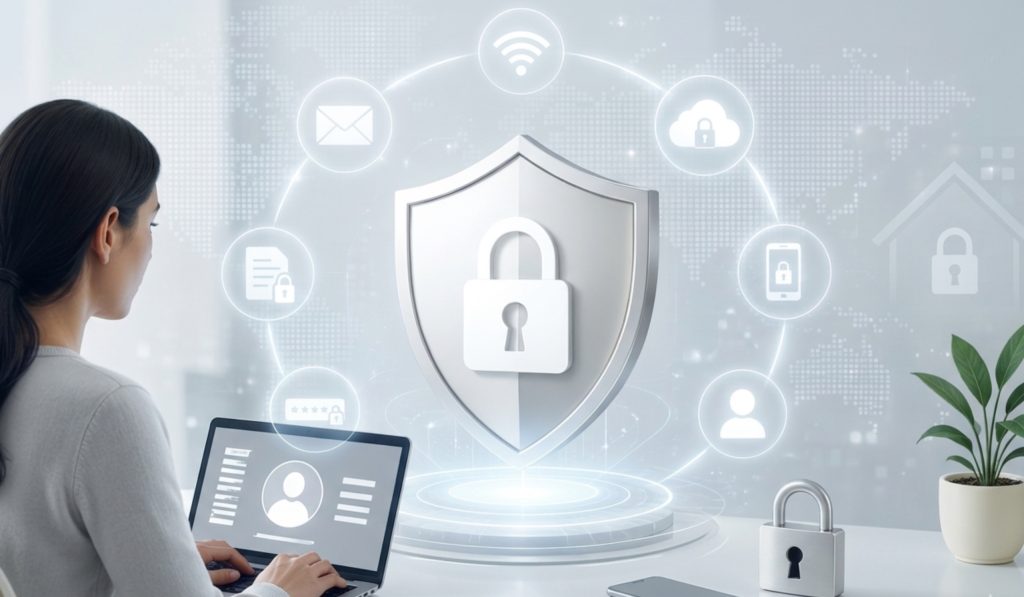
Why Personal Data Protection Matters More Than Ever
As Pakistan continues its rapid digital transformation, protecting personal data has become a critical concern for individuals, entrepreneurs, professionals, and businesses alike. From online banking and e-commerce transactions to social media engagement and remote work, people share vast amounts of sensitive information every day.
However, the increasing reliance on digital platforms has also created new opportunities for cybercriminals. Identity theft, phishing scams, financial fraud, ransomware attacks, and data breaches are becoming more common, making cybersecurity awareness an essential part of modern life.
Create Strong Passwords for Every Account
One of the most effective ways to strengthen online security is by using unique and complex passwords for every account. Many users still rely on simple passwords, making them vulnerable to hacking attempts.
A strong password should include:
- Uppercase and lowercase letters
- Numbers
- Special characters
- A minimum of 12 characters
Using a password manager can help users generate and securely store passwords while reducing the risk of credential theft.
Enable Two-Factor Authentication for Extra Security
Two-factor authentication (2FA) adds an additional layer of protection beyond a password. Even if cybercriminals obtain login credentials, they cannot easily access accounts without the second verification step.
Banks, email providers, social media platforms, and business applications increasingly offer 2FA, making it one of the most effective cybersecurity measures available today.
Stay Alert Against Phishing Attacks
Phishing remains one of the biggest cybersecurity threats worldwide. Attackers often impersonate trusted organizations through fake emails, SMS messages, and websites to steal sensitive information.
Before entering personal details online, users should:
- Verify website authenticity
- Check email sender addresses carefully
- Avoid clicking suspicious links
- Never share banking credentials through email
Developing cyber awareness can significantly reduce the risk of becoming a victim of online fraud.
Keep Devices and Software Updated
Outdated software often contains security vulnerabilities that hackers can exploit. Technology companies regularly release updates to fix weaknesses and improve system security.
Users should consistently update:
- Operating systems
- Mobile devices
- Web browsers
- Business software
- Security applications
Timely software updates act as a critical defense against emerging cyber threats and malware attacks.
Avoid Risks on Public Wi-Fi Networks
Public Wi-Fi networks at airports, cafes, hotels, and shopping centers can expose users to cyber risks if proper precautions are not taken.
When accessing sensitive information through public internet connections, cybersecurity experts recommend using a Virtual Private Network (VPN). A VPN encrypts internet traffic, making it significantly harder for attackers to intercept personal or financial data.
Review Social Media Privacy Settings
Many people unknowingly reveal excessive personal information on social media platforms. Publicly visible details such as phone numbers, addresses, birthdays, and location data can be exploited by cybercriminals.
Regularly reviewing privacy settings allows users to:
- Limit profile visibility
- Control data-sharing permissions
- Restrict access to personal information
- Reduce digital exposure
Smart privacy management plays a major role in maintaining online safety.
Invest in Antivirus Protection and Data Backups
Reliable antivirus software helps detect and block malware, spyware, ransomware, and other malicious programs before they can cause damage.
Equally important is maintaining regular data backups. Backup systems ensure that valuable files can be recovered after cyberattacks, hardware failures, or accidental deletion.
For businesses, data backup strategies are essential for operational continuity and risk management.
Building a Safer Digital Future
As digital technologies continue to reshape Pakistan’s economy and business landscape, cybersecurity must become a priority for everyone. Strong passwords, multi-factor authentication, software updates, privacy controls, secure internet usage, and data backup practices form the foundation of effective digital protection.
Individuals and organizations that adopt proactive cybersecurity habits can significantly reduce their exposure to cyber threats while protecting their personal information, financial assets, and digital identities in an increasingly connected world. The source of this news is TechinPakistan.