Top-Tech-Companies-1
Business

Global AI Powerhouses: The Tech Giants Shaping the Future of Artificial Intelligence

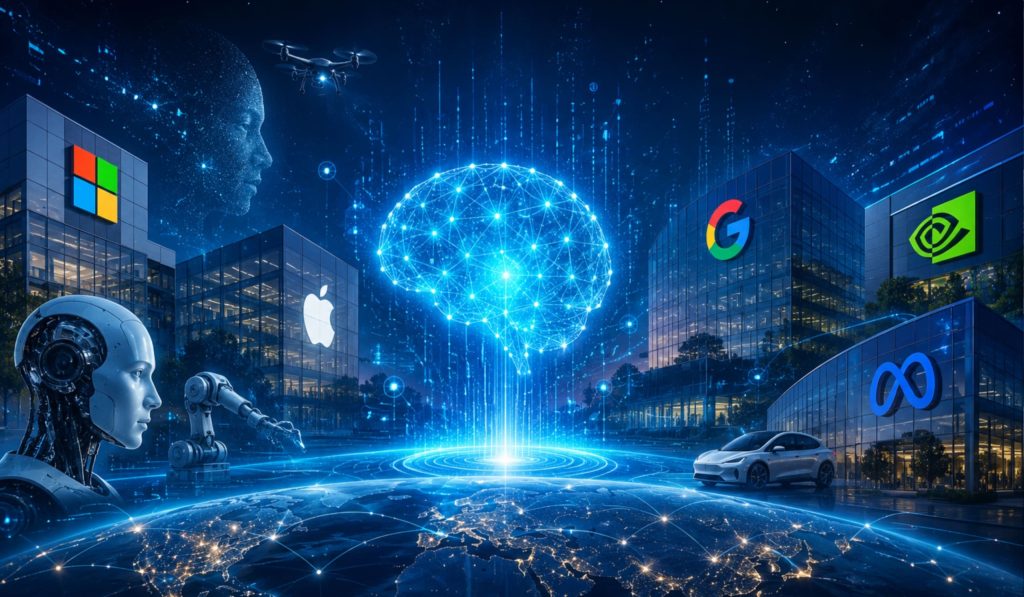
AI Innovation Is Driving the Next Technology Revolution Artificial Intelligence (AI) has emerged as the defining technology of the modern era, transforming industries, reshaping business models, and creating new opportunities for economic growth. From generative AI and machine learning to automation and intelligent decision-making, leading technology companies are investing heavily to secure their position in the rapidly evolving AI landscape. As organizations worldwide embrace digital transformation, several global tech giants are setting the pace for AI innovation and influencing how businesses and consumers interact with technology. OpenAI: Accelerating the Generative AI Movement Among the most influential names in artificial intelligence is OpenAI. The company has revolutionized the AI sector through advanced generative AI models capable of producing human-like text, coding assistance, research support, and creative content. Its breakthrough technologies have accelerated AI adoption across education, healthcare, software development, customer service, and enterprise operations. Businesses worldwide are increasingly leveraging AI-powered tools to improve productivity, efficiency, and innovation. Google Continues to Push AI Boundaries Google remains one of the world’s most influential AI innovators. Through initiatives such as DeepMind and Gemini, the company continues to advance machine learning, natural language processing, and intelligent automation. Google integrates AI into search engines, cloud platforms, digital advertising, and productivity solutions. Its contributions to AI research have significantly influenced the global technology ecosystem and helped accelerate innovation across industries. Microsoft Strengthens Enterprise AI Leadership Microsoft has positioned itself as a dominant force in enterprise AI. By embedding artificial intelligence into cloud computing, workplace collaboration tools, cybersecurity platforms, and business applications, Microsoft is helping organizations streamline operations and enhance decision-making. The company’s strategic investments in AI research and partnerships have strengthened its role in shaping the future of intelligent business solutions. NVIDIA Powers the AI Infrastructure Boom While software companies often dominate AI discussions, NVIDIA provides the hardware backbone behind many of today’s AI breakthroughs. Its high-performance Graphics Processing Units (GPUs) are essential for training and deploying advanced AI models. As demand for AI computing continues to rise, NVIDIA remains a critical player enabling innovation in machine learning, data analytics, robotics, and autonomous systems. Meta Expands AI Across Digital Platforms Meta is actively integrating AI into social networking platforms, digital advertising, and immersive virtual experiences. The company has also supported the broader AI community through open-source initiatives, enabling researchers and developers to build next-generation applications. Meta’s investments in AI-driven personalization and virtual environments continue to shape the future of digital engagement. Amazon, IBM, and Tesla Drive Specialized AI Solutions Several other technology leaders are making significant contributions to artificial intelligence. Amazon utilizes AI to enhance cloud services, logistics, e-commerce operations, and customer experiences. IBM focuses on enterprise AI, business automation, and advanced analytics, helping organizations unlock value from data. Meanwhile, Tesla continues to push AI innovation through autonomous driving technologies, robotics, and intelligent transportation systems. Why AI Leadership Matters for Pakistan’s Digital Economy For Pakistan’s growing startup ecosystem and technology sector, the advancements made by global AI leaders offer valuable insights and opportunities. AI-powered solutions can help local businesses improve efficiency, reduce operational costs, strengthen cybersecurity, and enhance customer experiences. As Pakistani startups increasingly adopt artificial intelligence, machine learning, cloud computing, and data analytics, the country’s digital economy stands to benefit from global innovation trends. The Future of AI Is Just Beginning Artificial Intelligence is no longer a futuristic concept—it is a business reality shaping industries worldwide. The companies leading AI innovation today are not only building smarter technologies but also defining the future of work, commerce, healthcare, education, and digital transformation. As AI adoption accelerates, businesses that embrace intelligent technologies will be better positioned to compete, innovate, and thrive in the digital economy of tomorrow. The source of this news is TechinPakistan.


Security-1
Internet News, News

Digital Security in Pakistan: Essential Strategies to Protect Personal Data from Cyber Threats

Why Personal Data Protection Matters More Than Ever As Pakistan continues its rapid digital transformation, protecting personal data has become a critical concern for individuals, entrepreneurs, professionals, and businesses alike. From online banking and e-commerce transactions to social media engagement and remote work, people share vast amounts of sensitive information every day. However, the increasing reliance on digital platforms has also created new opportunities for cybercriminals. Identity theft, phishing scams, financial fraud, ransomware attacks, and data breaches are becoming more common, making cybersecurity awareness an essential part of modern life. Create Strong Passwords for Every Account One of the most effective ways to strengthen online security is by using unique and complex passwords for every account. Many users still rely on simple passwords, making them vulnerable to hacking attempts. A strong password should include: Using a password manager can help users generate and securely store passwords while reducing the risk of credential theft. Enable Two-Factor Authentication for Extra Security Two-factor authentication (2FA) adds an additional layer of protection beyond a password. Even if cybercriminals obtain login credentials, they cannot easily access accounts without the second verification step. Banks, email providers, social media platforms, and business applications increasingly offer 2FA, making it one of the most effective cybersecurity measures available today. Stay Alert Against Phishing Attacks Phishing remains one of the biggest cybersecurity threats worldwide. Attackers often impersonate trusted organizations through fake emails, SMS messages, and websites to steal sensitive information. Before entering personal details online, users should: Developing cyber awareness can significantly reduce the risk of becoming a victim of online fraud. Keep Devices and Software Updated Outdated software often contains security vulnerabilities that hackers can exploit. Technology companies regularly release updates to fix weaknesses and improve system security. Users should consistently update: Timely software updates act as a critical defense against emerging cyber threats and malware attacks. Avoid Risks on Public Wi-Fi Networks Public Wi-Fi networks at airports, cafes, hotels, and shopping centers can expose users to cyber risks if proper precautions are not taken. When accessing sensitive information through public internet connections, cybersecurity experts recommend using a Virtual Private Network (VPN). A VPN encrypts internet traffic, making it significantly harder for attackers to intercept personal or financial data. Review Social Media Privacy Settings Many people unknowingly reveal excessive personal information on social media platforms. Publicly visible details such as phone numbers, addresses, birthdays, and location data can be exploited by cybercriminals. Regularly reviewing privacy settings allows users to: Smart privacy management plays a major role in maintaining online safety. Invest in Antivirus Protection and Data Backups Reliable antivirus software helps detect and block malware, spyware, ransomware, and other malicious programs before they can cause damage. Equally important is maintaining regular data backups. Backup systems ensure that valuable files can be recovered after cyberattacks, hardware failures, or accidental deletion. For businesses, data backup strategies are essential for operational continuity and risk management. Building a Safer Digital Future As digital technologies continue to reshape Pakistan’s economy and business landscape, cybersecurity must become a priority for everyone. Strong passwords, multi-factor authentication, software updates, privacy controls, secure internet usage, and data backup practices form the foundation of effective digital protection. Individuals and organizations that adopt proactive cybersecurity habits can significantly reduce their exposure to cyber threats while protecting their personal information, financial assets, and digital identities in an increasingly connected world. The source of this news is TechinPakistan.

Public-Libraries
News, Technology News

Punjab Launches Rs50 Million Firewall Security Plan for Public Libraries: Major Step Toward Cyber-Safe Digital Education in Pakistan

The Government of Punjab has taken a significant step toward strengthening digital safety by approving a Rs50 million firewall security project for 14 public libraries across the province. This initiative aims to modernize library IT systems, improve cybersecurity protection, and ensure safe access to educational digital content for students and researchers. This move reflects Pakistan’s growing focus on cybersecurity infrastructure, digital governance, and secure public sector IT systems, especially in educational environments. Punjab’s Digital Security Upgrade for Public Libraries Under this newly approved plan, advanced firewall systems will be installed in selected public libraries across Punjab. The project has already received formal approval from all relevant regulatory bodies and is being fast-tracked for implementation. The goal is to create a secure digital learning environment where users can access only verified academic and research-based content. Key objectives include: This initiative marks an important shift toward smart library systems in Pakistan’s public sector. How Firewall Systems Will Improve Library Cybersecurity The installed firewall technology will act as a digital security barrier between users and external threats. It will filter internet traffic and ensure only approved educational resources are accessible within library networks. Expected Benefits of Firewall Implementation Officials confirmed that the firewall will also restrict access to content considered inappropriate for educational environments, ensuring a more focused digital learning ecosystem. Strengthening Pakistan’s Digital Infrastructure in Education This project is part of Punjab’s broader strategy to modernize public sector digital infrastructure. With increasing dependence on online learning and digital research tools, libraries are being transformed into digitally secure knowledge hubs. Experts believe this initiative will: Rising Cyber Threats Prompt National Security Advisory Alongside this provincial initiative, the National Cyber Emergency Response Team (NCERT) has issued a cybersecurity advisory warning federal institutions to adopt stronger protective measures. The advisory recommends placing official government websites in “read-only mode” during high-risk cyber threat periods to prevent unauthorized changes or attacks. Key Cyber Risks Identified by NCERT NCERT emphasized that cyber attackers often target: Recommended Cybersecurity Measures for Government Systems To reduce cyber risk exposure, NCERT has advised institutions to: Cybersecurity experts warn that increasing hacktivist activity and digital warfare risks require Pakistan to continuously upgrade its cyber defense mechanisms. Why This Matters for Pakistan’s Digital Future The Punjab firewall project and NCERT advisory highlight a larger national shift toward cyber resilience, digital governance, and IT security modernization. For Pakistan’s evolving digital economy, especially in education and public services, these steps are crucial to: Final Insight Punjab’s Rs50 million firewall initiative is more than just a technical upgrade—it is a strategic investment in digital safety, educational cybersecurity, and smart governance infrastructure. As Pakistan continues its digital transformation journey, such initiatives will play a key role in shaping a safer, smarter, and more secure online ecosystem for students, researchers, and public institutions. The Source of this news is Tech Juice. For continuous updates on Pakistan’s tech, governance, and startup ecosystem, visit ceo.com.pk.

samsung
Business, News

Samsung Crosses $1 Trillion Market Cap: How the Korean Tech Giant Became Asia’s Powerhouse in AI Boom

Samsung Electronics has officially entered an elite global league by crossing the $1 trillion market capitalization milestone, becoming only the second Asian company to achieve this historic feat. The surge highlights how artificial intelligence demand, advanced chip technology, and global investor confidence are reshaping the tech industry. The South Korean giant’s rally reflects a powerful shift in global technology markets, where AI-driven semiconductors are now the backbone of economic growth. Samsung’s Historic Market Milestone Shares of Samsung Electronics surged as much as 13% in early trading, pushing its valuation to approximately 1,500 trillion won. This milestone places Samsung alongside a very small group of global trillion-dollar companies and confirms its dominance in the semiconductor and AI hardware space. The rally also lifted South Korea’s benchmark index, the KOSPI, which jumped nearly 7% to a record level above 7,400 points. AI Boom Drives Global Tech Rally The global tech surge was fueled by strong performance in US AI-linked stocks, including gains in the S&P 500 and Nasdaq. Foreign investors heavily supported the Korean market, with billions of won flowing into equities in a single trading session. Samsung alone benefited from massive institutional buying, reinforcing its position as a global AI hardware leader. Why Samsung Is Winning the AI Chip Race Samsung’s growth is not accidental—it is driven by strategic investment in next-generation semiconductor technology. The company has aggressively adopted advanced manufacturing nodes such as: According to Samsung executives, this shift allows the company to deliver higher performance chips designed specifically for AI computing workloads. Samsung also became the first company in the world to mass-produce HBM4 chips, marking a major breakthrough in memory technology. Record-Breaking Financial Performance Samsung’s financial results reflect its strong position in the global tech supply chain: This explosive growth is largely driven by rising demand for AI memory chips used in data centers and advanced computing systems. SK Hynix and Samsung Dominate Korean Market Together with SK Hynix, Samsung now controls nearly 44% of the KOSPI market value, making South Korea one of the most semiconductor-driven economies in the world. Both companies hit record highs as investors bet on long-term AI chip demand. AI Chips: The Core of the Future Tech Economy Industry analysts believe Samsung’s rally is strongly linked to: Samsung’s HBM4 chips are expected to play a key role in future AI architectures such as Nvidia’s next-generation systems. Foreign Investors Fuel Market Momentum Global investor confidence has played a major role in Samsung’s rise. Foreign inflows worth trillions of won have entered Korean equities, making the market one of the most attractive tech investment hubs. A recent brokerage partnership also allowed international investors easier access to Korean stocks, further boosting liquidity and demand. What This Means for the Global Tech Industry Samsung crossing the $1 trillion valuation signals three major shifts: Final Takeaway Samsung’s rise to a trillion-dollar valuation is more than a financial milestone—it reflects the global AI revolution reshaping technology, investment, and innovation. As AI demand continues to grow, companies like Samsung are positioned at the center of the next major tech supercycle, where semiconductors define global economic leadership. For Pakistan’s tech and startup audience following global innovation trends on ceo.com.pk, Samsung’s success offers a clear signal: the future belongs to AI-driven hardware, advanced chips, and scalable digital infrastructure. The Source of this news is Tech Juice.

Alibaba-Backed-KOKO-Tech-to-Launch-Buy-Now-Pay-Later-Services-in-Pakistan-ceo-com-pk
Business, News

“Alibaba-Backed KOKO Tech Launches BNPL in Pakistan: SECP Approval Signals Fintech Boom”

پاکستان کے فِن ٹیک سیکٹر میں ایک بڑی پیش رفت سامنے آئی ہے۔ Securities and Exchange Commission of Pakistan (SECP) نے KOKO Tech Pakistan کو Buy Now Pay Later (BNPL) سروسز شروع کرنے کے لیے لائسنس جاری کر دیا ہے۔ یہ کمپنی عالمی ٹیک جائنٹ Alibaba Group کی حمایت یافتہ ہے، جو پاکستان میں ڈیجیٹل فنانس کے مستقبل کو نئی سمت دے سکتی ہے۔ What Is BNPL and Why It Matters in Pakistan? Buy Now Pay Later (BNPL) is a rapidly growing digital lending model that allows consumers to purchase products instantly and pay later in installments. In Pakistan’s context, BNPL offers: With limited access to formal credit, BNPL can bridge the gap between consumers and financial services. AI-Powered Credit Assessment: A Game Changer KOKO Tech Pakistan plans to introduce AI-driven credit scoring systems in Pakistan. This means: The integration of artificial intelligence, machine learning, and data analytics will modernize Pakistan’s financial ecosystem. Boost for SMEs, Freelancers & Startups پاکستان میں SMEs اور فری لانسرز کو اکثر فنانسنگ تک رسائی میں مشکلات پیش آتی ہیں۔ BNPL سروسز اس خلا کو پر کر سکتی ہیں۔ Key benefits include: This aligns with Pakistan’s broader push toward a digital and inclusive economy. E-Commerce Growth Set to Accelerate With backing from Alibaba Group, the entry of BNPL services is expected to boost Pakistan’s e-commerce sector. Impact areas: This could position Pakistan as a regional e-commerce and fintech hub. Foreign Investment & Market Confidence According to Securities and Exchange Commission of Pakistan, this move represents a direct inflow of foreign investment into Pakistan’s financial sector. Dr Kabir Ahmed Sidhu highlighted that: This reflects growing confidence in Pakistan’s regulatory framework and digital adoption. What’s Next for Pakistan’s Fintech Ecosystem? The launch of BNPL services is just the beginning. مستقبل میں ہم دیکھ سکتے ہیں: These trends will strengthen Pakistan’s position in the global digital economy. Final Takeaway KOKO Tech Pakistan’s entry marks a major milestone for Pakistan’s fintech industry. Backed by Alibaba Group and powered by AI, BNPL services are set to transform how consumers access credit. For startups, SMEs, and digital businesses, this opens the door to scalable growth, financial inclusion, and innovation. The source of this news is Techlist. Stay updated with the latest insights on Pakistan’s tech, startup, and fintech ecosystem at www.ceo.com.pk.

pak-x-japan
Startup's

“Pakistan–Japan Innovation Bridge: How Tech Startups Are Unlocking Global Growth Opportunities”

Pakistan and Japan are strengthening ties in the global tech ecosystem through a strategic Innovation Bridge initiative. The goal is clear: connect Pakistani startups with Japanese investors, enterprises, and innovation hubs to accelerate growth in high-demand sectors like AI, fintech, SaaS, and blockchain. This collaboration signals a new phase for Pakistan’s startup landscape—one focused on cross-border innovation, foreign investment, and scalable digital products. Tokyo Forum 2026: A Turning Point for Startup Collaboration The momentum gained traction at a high-level forum hosted by the Pakistan Embassy in Tokyo on April 30, 2026. The event brought together founders, policymakers, and investors under one roof to explore market entry strategies and startup partnerships. Key voices included: Industry leaders from Japan, including SMBC Nikko Securities, Shibuya Startup Support, and Toyota’s blockchain division, also participated. The discussion remained practical—focused on real partnerships, scalable business models, and long-term collaboration, rather than short-term hype. Pakistani Startups Pitch Real-World Solutions Five Pakistani startups showcased their innovations, each addressing practical business challenges: These startups highlighted Pakistan’s growing strength in AI-powered tools, enterprise SaaS, and digital transformation solutions—key areas of interest for Japanese firms. Why This Partnership Makes Strategic Sense The Pakistan–Japan collaboration is built on mutual value: For Pakistani Startups For Japanese Companies This balanced exchange supports sustainable startup growth and global expansion. Pakistan’s Tech Industry: Growth Backed by Talent Pakistan’s IT sector continues to show strong momentum: The country also ranked 16th in the Global Outsourcing Talent Index, reinforcing its position as a top emerging tech talent hub. Key strengths include: These factors make Pakistan an attractive destination for global tech partnerships and outsourcing. Japan’s Strategy: Innovation Amid Demographic Challenges Japan’s interest in international collaboration is driven by internal challenges: Through its Society 5.0 vision, Japan is investing in: Collaborating with countries like Pakistan helps Japanese firms accelerate innovation while managing costs and talent gaps. A Long-Term Approach: Build, Test, Scale Instead of rushing into large-scale investments, both countries are adopting a gradual, trust-based model. As highlighted by Abdul Hameed, successful partnerships—like those of Toyota, Honda, and Suzuki in Pakistan—followed a similar path: This approach reduces risk and builds long-term business trust. Future Outlook: A Promising Tech Corridor The Pakistan–Japan startup connection is still evolving, but the direction is promising. With strong alignment in: both countries are positioned to create a powerful cross-border tech corridor. Final Takeaway The Innovation Bridge initiative is more than a diplomatic effort—it’s a strategic move toward global startup integration, digital exports, and innovation-led growth. Pakistan brings talent, agility, and cost advantage, while Japan offers capital, structure, and market access. Together, they can build scalable solutions for global markets. For founders, investors, and tech leaders, this is a key moment to explore international collaboration opportunities. The source of this news is TechinPakistan. Stay updated with the latest insights on Pakistan’s startup ecosystem, tech innovation, and global partnerships at www.ceo.com.pk.

chegg-ceo-com-pk
Business, News

“AI Shockwave Hits EdTech: Chegg Loses 99% Value as ChatGPT Disrupts Homework Help Industry”

The global edtech landscape is witnessing a dramatic shift, and Chegg has become its most striking example. Once valued at nearly $14.7 billion, the company’s market capitalization has plunged to around $115 million by April 2026—a staggering 99% decline. This rapid سقوط isn’t just a business story. It’s a clear signal of how artificial intelligence (AI), generative tools, and changing user behavior are reshaping entire industries, including education technology in Pakistan and beyond. From Startup to EdTech Giant: The Chegg Story Founded in 2005 by Osman Rashid and Aayush Phumbhra, Chegg started as a textbook rental platform. The idea was simple: make expensive college books more affordable. Over time, it evolved into a subscription-based homework help platform, offering: At its peak, millions of students paid around $19.95 monthly for access—making Chegg a dominant player in the online education market. The Turning Point: ChatGPT Changes Everything The launch of ChatGPT in November 2022 disrupted Chegg’s core business model. Students quickly shifted from: With AI tools offering real-time explanations, personalized learning, and zero cost, the need for structured paid solutions declined sharply. By 2023, Chegg reported a surge in AI usage among students. Soon after, its stock dropped nearly 48% in a single day, wiping out billions in value. Subscriber Drop & Revenue Decline The impact was immediate and measurable: Compared to its $776 million peak in 2021, the gap continues to widen. This reflects a broader trend: AI is replacing repetitive knowledge-based services at scale. Search Traffic Collapse: Google AI Adds Pressure The disruption didn’t stop with ChatGPT. Google introduced AI-generated summaries in search results, further reducing traffic to third-party platforms like Chegg. As a result: This shift highlights how search behavior, content consumption, and user journeys are evolving in the AI era. Layoffs, Cost Cuts & Survival Mode Facing declining revenue, Chegg initiated major restructuring: The company also streamlined operations to reduce losses and stabilize cash flow. A Pakistani-Origin Founder Behind the Rise Osman Rashid, born in London and raised in Islamabad, played a pivotal role in building Chegg’s early success. After leaving in 2010, he launched new ventures, including: His journey reflects the global impact of Pakistani entrepreneurs in tech and startups. Why Chegg’s Business Model Failed At its core, Chegg relied on paid access to structured answers. AI changed that equation. Key Disruptions: This eliminated Chegg’s pricing power and user retention advantage, making its subscription model less relevant. Chegg’s Pivot: Entering the $40B Skilling Market Chegg is now attempting a strategic shift toward professional learning and workforce development through its “Chegg Skilling” initiative. The focus is on: This move targets a $40 billion global market, offering a potential path to recovery. What This Means for Pakistan’s Tech Ecosystem Chegg’s سقوط offers key lessons for Pakistani startups, CEOs, and tech founders: 1. AI Disruption Is Immediate Industries built on repetitive knowledge tasks are highly vulnerable. 2. Business Models Must Evolve Subscription-based content platforms need to integrate AI or risk becoming obsolete. 3. Product Innovation Beats Services Scalable, AI-driven products offer stronger long-term growth than traditional outsourcing. Final Takeaway: A Wake-Up Call for the Digital Economy The decline of Chegg is not just about one company—it’s about a fundamental shift in how knowledge is created, accessed, and monetized. For Pakistan’s growing tech sector, this moment is critical. The rise of AI, machine learning, and digital platforms presents both risk and opportunity. The question is no longer whether AI will disrupt industries—it’s how fast businesses can adapt. The source of this news is TechinPakistan. Stay ahead with cutting-edge insights on AI, startups, and Pakistan’s digital economy at www.ceo.com.pk.
it-ministry-announces-major-ai-workforce-training-and-infrastructure-push-ceo-com
Leaders

“Pakistan Targets $15B Tech Exports: 1 Million AI Workforce Plan Unveiled at Paklaunch UNconference 2026”

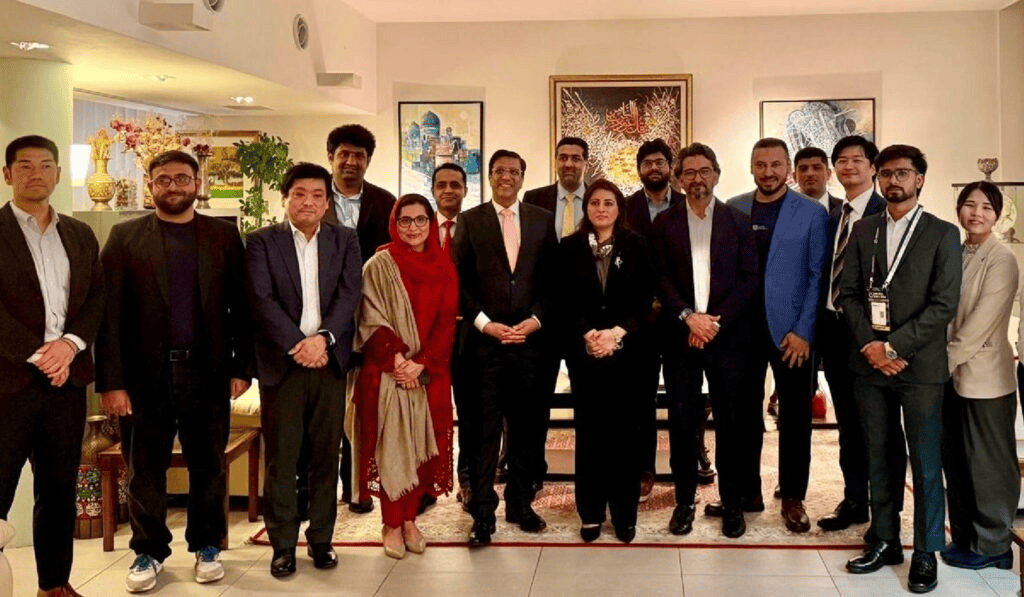
Pakistan’s tech ecosystem is entering a defining phase. At the Paklaunch UNconference 2026, the government revealed an ambitious roadmap: train one million people in artificial intelligence (AI) and push IT exports to $15 billion. Unlike traditional conferences, this event focused on real conversations—bringing founders, investors, and policymakers to the same table. The announcement signals a shift toward AI-driven growth, digital exports, and startup scalability in Pakistan. Policy Direction: From Vision to Execution Federal Minister Shaza Fatima Khawaja outlined the government’s approach with clarity. Instead of generic promises, she highlighted specific gaps, realistic targets, and ongoing reforms. The strategy revolves around three pillars: This structured direction aligns with global trends in digital transformation, machine learning adoption, and knowledge economies. The Core Challenge: Lack of Computing Power A major bottleneck discussed at the event was Pakistan’s limited computing infrastructure. Currently, most startups depend on foreign cloud platforms for: While this works, it creates challenges like high costs, limited control, and slower innovation cycles. The government plans to address this by: Without this foundation, even the best AI talent cannot scale effectively. This makes infrastructure a critical enabler of Pakistan’s AI ecosystem. 1 Million AI Workforce: Opportunity vs Execution The headline goal—training one million AI professionals—is bold and attention-grabbing. Pakistan already has: However, scaling talent comes with risks. Key Concerns: To succeed, the plan must include: Without this, the initiative risks becoming a numbers game rather than a skill revolution. $15 Billion IT Export Target: A Bold Leap Pakistan’s current IT exports stand at approximately $3.8 billion. The new target of $15 billion reflects a major strategic shift. But growth won’t come from outsourcing alone. Future Growth Drivers: This transition from service-based to product-based economy is essential for long-term success in the global tech market. Regulatory Hurdles: A Barrier to Growth Policy challenges remain a key concern for IT exporters. The government is working with the State Bank of Pakistan and Special Investment Facilitation Council to improve regulations. One major focus is revising Form M, a compliance requirement affecting international payments. Current Issues: Resolving these bottlenecks can significantly improve: Paklaunch: Bridging Startups & Global Capital Paklaunch continues to play a crucial role in connecting Pakistani founders with international investors, especially the diaspora. The UNconference format emphasized: While deals may not happen instantly, this model strengthens Pakistan’s startup funding ecosystem. Global Competition: The Pressure Is Real Pakistan is not alone in the AI race. Countries like: are rapidly expanding their tech exports and AI capabilities. To stay competitive, Pakistan must focus on: Final Takeaway: A Promising but Challenging Road Ahead The announcements at the Paklaunch UNconference 2026 reflect a clear shift toward AI, digital exports, and innovation-led growth. However, success depends on execution: If implemented effectively, Pakistan can strengthen its position in the global AI and tech economy—not overnight, but steadily. The Source of this news is TechinPakistan. For startups, CEOs, and tech leaders, this is a moment to watch closely. Stay ahead with the latest insights on Pakistan’s tech, startup, and digital economy trends at www.ceo.com.pk.

Pakistan-crypto
Business

“Pakistan Moves Toward Legal Crypto Trading: Regulated Exchanges Could Transform the Digital Economy”

Pakistan is taking a significant step toward the future of finance as discussions around regulated cryptocurrency trading gain momentum. In a major development, policymakers and industry leaders are exploring a framework that could soon allow licensed exchange companies to offer legal crypto trading services in Pakistan. This move signals a shift from informal activity to a structured, regulated digital asset ecosystem, aligning Pakistan with global fintech trends. High-Level Meetings Signal Policy Shift The momentum began when the Exchange Companies Association of Pakistan held key discussions with Bilal Azhar Kayani in Islamabad. The ECAP delegation, led by Chairman Malik Bostan and Secretary General Zafar Paracha, presented a roadmap to integrate crypto trading into Pakistan’s formal financial system. They also engaged with Bilal Bin Saqib, highlighting a collaborative approach between government and industry stakeholders. Crypto Council’s Role in Policy Development The involvement of the Crypto Council of Pakistan reflects growing institutional support for blockchain technology and cryptocurrency regulation. According to discussions, the council is actively working with authorities to ensure: This collaboration strengthens Pakistan’s position in the global digital finance landscape. Proposal: Dedicated Crypto Trading Windows One of the most practical proposals under consideration is the introduction of dedicated crypto trading windows within existing exchange companies. This model would: Such a system could act as a bridge between traditional finance and emerging fintech solutions in Pakistan. Pakistan’s Crypto Market Is Already Massive Despite the absence of formal regulation, Pakistan’s crypto adoption is already impressive. Zafar Paracha revealed that: These numbers highlight a strong demand for secure and regulated crypto platforms, making policy intervention both timely and necessary. Economic Impact: A Game-Changer for Pakistan Legalizing crypto trading could unlock major economic benefits. Exchange companies currently contribute around $12 billion annually in foreign exchange inflows through remittances and services. With regulated crypto trading: Malik Bostan emphasized that industry stakeholders are ready to support implementation, while Bilal Bin Saqib has assured full cooperation. A Step Toward Financial Innovation These developments reflect growing coordination between regulators, policymakers, and private sector leaders. The focus is clear: build a regulated, transparent, and scalable crypto ecosystem in Pakistan. Key benefits include: What’s Next for Crypto in Pakistan? While the proposal is still under review, it marks a crucial shift in Pakistan’s financial strategy. If approved, it could position the country as a regional leader in cryptocurrency adoption and fintech innovation. For startups, investors, and tech entrepreneurs, this is a signal to watch closely. The future of crypto regulation in Pakistan may redefine how digital assets are traded, taxed, and integrated into the economy. Final Thoughts Pakistan’s move toward regulated crypto trading channels is more than a policy discussion—it’s a transformation of the financial ecosystem. With strong demand, institutional backing, and clear economic incentives, the country is on the brink of a digital finance revolution. The source of this news is TechinPakistan. Stay updated with the latest insights on tech, startups, and digital economy trends at www.ceo.com.pk.
5G-Packages-Prices-in-Pakistan-for-All-Networks
Internet News, News

5G Packages in Pakistan 2026 — Complete Guide to Zong & Ufone Daily, Weekly & Monthly Internet Bundles

Pakistan’s telecom industry has entered a new era. With the official rollout of 5G in 2026, mobile internet is no longer just about browsing—it’s about speed, reliability, and a fully connected digital lifestyle. Whether you’re a freelancer uploading large files, a gamer chasing low latency, or a student attending online classes, 5G packages in Pakistan are transforming how you stay connected. In this complete guide by CEO.com.pk, we break down the latest Zong and Ufone 5G packages, including daily, weekly, and monthly bundles, activation methods, pricing, and coverage cities—so you can choose the best plan without wasting money. What Is 5G and Why It Matters for Pakistan? 5G (fifth-generation network) is the next leap after 4G LTE, offering ultra-fast speeds and near-zero latency. Key Benefits of 5G in Pakistan: For Pakistan, 5G is not just faster internet—it’s the backbone of the Digital Pakistan vision, enabling startups, tech innovation, and remote work growth. 5G Launch in Pakistan (2026 Update) In March 2026, the Pakistan Telecommunication Authority (PTA) officially auctioned 5G spectrum licenses to major telecom operators. Current Market Status: Zong leads in early deployment, while Ufone is positioned for long-term performance leadership due to its spectrum strength. What You Need to Use 5G in Pakistan Before activating any 5G internet package, ensure: Zong 5G Packages in Pakistan (Daily, Weekly, Monthly) Zong currently offers the most advanced 5G-ready packages in Pakistan. All bundles automatically switch to 5G where available. How to Activate Zong Packages Zong Daily 5G Packages Perfect for short-term usage or emergency data needs. Popular Options: Best Use Case: Zong Weekly 5G Packages Best value for regular users looking for affordability + flexibility. Top Weekly Bundles: Best Picks: Zong Monthly 5G Packages Ideal for professionals, streamers, and heavy internet users. Recommended Monthly Plans: User-Based Recommendations: Zong 5G Coverage Cities (2026) Zong’s network is live in: Ufone 5G Packages in Pakistan (Daily, Weekly, Monthly) Ufone stands out with strong all-in-one bundles combining data, calls, and SMS. How to Activate Ufone Packages Ufone Daily 5G Packages Popular Options: Highlight: U-Power daily plan is one of the cheapest unlimited bundles in Pakistan. Ufone Weekly 5G Packages Top Weekly Bundles: Best Picks: Ufone Monthly 5G Packages Key Plans: Best For: Ufone 5G Network Advantage Ufone holds the largest 3.5 GHz spectrum in Pakistan, which means: With PTCL and Telenor integration, Ufone is set to become a major 5G leader. Zong vs Ufone 5G — Which One Is Better? Feature Zong Ufone Coverage 21+ Cities Expanding Best Feature Wide data bundles All-in-one offers Weekly Value 30 GB @ Rs. 299 Unlimited @ Rs. 160 Monthly Plans Flexible Balanced Future Strength Strong rollout Spectrum advantage Verdict: How to Check 5G Coverage in Your Area If 5G isn’t available, your network will automatically switch to 4G LTE. Tips to Maximize Your 5G Bundle FAQs About 5G Packages in Pakistan Q: Do I need a new SIM for 5G?Zong: No. Ufone: Sometimes yes (check app). Q: Are 5G packages expensive?No. Most packages have similar pricing to 4G. Q: Which is the cheapest 5G weekly package?Zong: 30 GB @ Rs. 299Ufone: Unlimited @ Rs. 160 Final Verdict 5G in Pakistan is no longer a future concept—it’s live and rapidly expanding. Zong leads in early deployment with flexible internet bundles, while Ufone brings unmatched value through powerful all-in-one packages and long-term spectrum strength. For Pakistani users, the opportunity is simple:Choose a plan based on your actual usage—not hype. Whether you’re a startup founder, remote worker, student, or content creator, upgrading to 5G in 2026 is one of the smartest digital decisions you can make. Stay connected with CEO.com.pk for the latest telecom, tech, and startup news in Pakistan.

Scroll to Top